
Overview
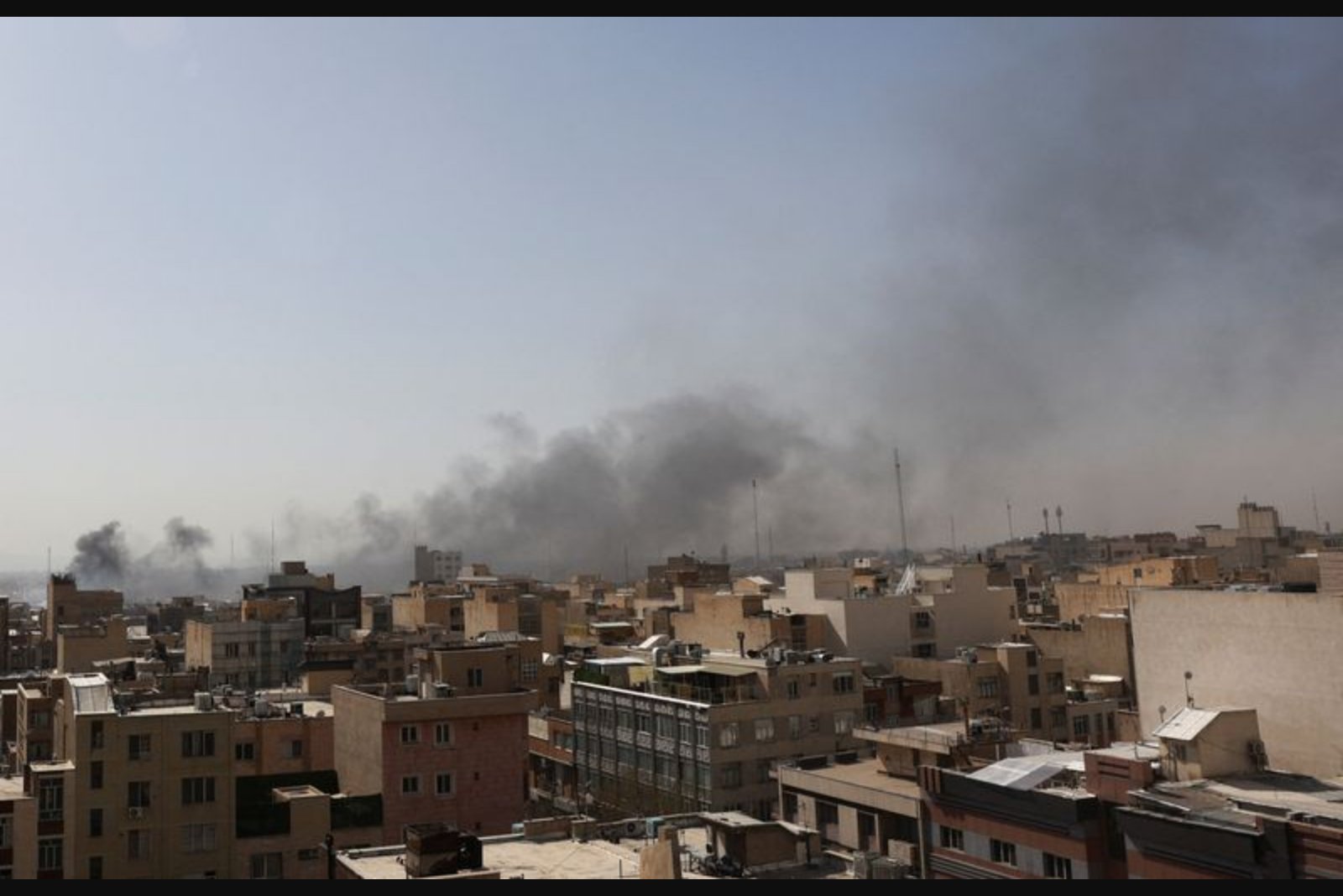
The United States executed strikes on Iranian targets using a combination of long-range cruise missiles, manned stealth and multi-role fighters, and low-cost one-way attack drones as part of an operation labeled Operation Epic Fury. U.S. Central Command provided photographs and other material detailing the munitions and aircraft involved, and the Pentagon highlighted that the operation included the combat debut for a class of inexpensive, single-use attack drones modeled on Iranian designs.
Drone deployment
Photographs released by the Pentagon show suicide drones that, according to the U.S. military, appear identical to a new design called LUCAS, or Low-Cost Unmanned Combat Attack System, produced by Spektreworks of Phoenix, Arizona. The company did not reply to requests for comment. The Pentagon also said that, for the first time under CENTCOM, one-way attack drones modeled after Iran's Shahed drones were used in combat.
The Pentagon has described kamikaze drones as inexpensive systems intended to be produced by multiple manufacturers. The LUCAS model is reported to cost in the neighborhood of $35,000 each. The wider shift toward these systems is part of what the U.S. military and others have called an "affordable mass" approach, a strategy that emphasizes keeping a large inventory of relatively low-cost weapons available for operations. Observers within defense procurement circles have noted that drones have become more central to modern conflicts since Russia's invasion of Ukraine exerted pressure on militaries to adapt.
Tomahawk cruise missiles
The operation included Tomahawk Land Attack Missiles, a sea- and land-launched long-range cruise missile used for deep-strike precision missions. The Tomahawk is a GPS-enabled, precision-guided weapon capable of striking targets up to roughly 1,000 miles or 1,600 kilometers away, including in well-defended airspace. Physically, the missile is about 20 feet or 6.1 meters in length, has an 8.5-foot wingspan, and weighs around 3,330 pounds or 1,510 kilograms.
RTX's Raytheon unit is the manufacturer of the Tomahawk, which the Pentagon and manufacturers describe as non-nuclear. Pentagon budget documents show a planned purchase of 57 Tomahawk missiles in 2026, with an average unit cost of approximately $1.3 million. There is an ongoing program to invest millions of dollars to upgrade these weapons, including improvements to guidance systems. A recent arrangement between Raytheon and the Pentagon aims to enlarge Tomahawk production capacity, with an eventual target of producing 1,000 missiles per year.
Tomahawks have been flight tested by U.S. and allied militaries and have been used operationally. The weapon system was previously employed in strikes conducted by the U.S. and United Kingdom navies against Houthi rebel positions in Yemen.
Fighter jet participation
U.S. Central Command released imagery and video showing the involvement of F/A-18 and F-35 fighter jets in the strikes. The F-35 is a fifth-generation stealth platform designed to reduce radar detection and to carry precision-guided munitions. The F-35 has been widely deployed by the United States across the Middle East.
The F/A-18, produced by Boeing, is a multi-role fighter capable of both air-to-air and air-to-ground operations and able to carry a range of bombs and missiles. The F-35 is capable of carrying missiles that can target and neutralize radar installations to degrade an adversary's situational awareness. The jets are noted as being in operational use beyond U.S. forces, including by the Israeli Air Force.
Context within defense procurement and market implications
This operation highlights a combination of high-end precision systems and low-cost massed munitions. The continued fielding of Tomahawks, investments in their modernization, and plans to scale production intersect with defense contractors, aerospace manufacturers, and systems integrators who work on guidance and munitions. Simultaneously, the adoption of inexpensive kamikaze drones underscores demand for affordable, high-volume weapons that can be produced by multiple suppliers.
Information gaps
The Pentagon provided imagery and general descriptions but specific operational details about the strikes, such as exact numbers of munitions expended or assessment of outcomes, were not included in the material released. Additionally, Spektreworks did not respond to requests for comment about the LUCAS system.