
Market open snapshot
U.S. stock futures were trading lower on Friday morning as investors digested renewed swings in energy prices and continued military action connected to the war in Iran. At 07:46 ET (11:46 GMT), Dow futures were down about 151 points, or 0.3%, S&P 500 futures fell roughly 30 points, or 0.4%, and Nasdaq 100 futures declined near 150 points, or 0.6%.
Context from the prior session
The main U.S. averages had declined in the previous trading session, pressured by a sharp rise in energy prices and accompanying commentary from Federal Reserve officials warning that elevated fuel costs could prolong inflationary pressures. The escalation in oil and gas markets followed an exchange of attacks that targeted major energy sites in the Middle East.
Sequence of attacks and market response
The first major incident cited in market moves was an Israeli strike on South Pars, the Iranian portion of the world’s largest gas field. That action prompted retaliatory strikes from Iran against energy infrastructure across the region, including an assault on Ras Laffan, a major natural gas production hub in Qatar. In response to those events, Brent crude briefly surged to about $119 per barrel earlier in the week and benchmark European natural gas measures also rose sharply.
Later, stocks recovered from their intraday lows and oil eased from its peak after U.S. and Israeli officials tried to signal that there would be no immediate follow-up attacks on South Pars. The White House additionally outlined plans intended to relieve pressure in energy markets, including the possibility of lifting sanctions on some Iranian oil as part of measures to increase available supply.
Oil and gas market developments
By Friday, markets still showed elevated pricing for crude. Brent crude futures were hovering in the neighborhood of $107 a barrel after the earlier spike to roughly $119. The violent exchange of strikes on energy infrastructure heightened concerns that, even if naval shipping lanes such as the Strait of Hormuz are secured, supply disruptions stemming from damage to production facilities could linger.
Qatar reported that damage to its Ras Laffan facility had cut export capacity by about 17% and that repairs could take up to five years. Given Qatar’s role as a major gas exporter, particularly to Europe, the impairment of output has been a key factor behind surging regional natural gas benchmarks and renewed fears of upward pressure on inflation.
Regional and international responses
Reports indicated additional retaliatory strikes by Iran, with nations in the Middle East allied with the U.S. reporting incoming drones and missiles. Overnight missile alarms were reportedly triggered in Jerusalem and northern Israel, and Israel has purportedly conducted strikes targeting Tehran. In a statement cited by the Wall Street Journal, Iranian Supreme Leader Mojtaba Khamenei said that “safety must be taken away from our domestic and foreign enemies and given to our people.” The statement was presented as an expression of defiance from Khamenei, identified in those reports as the son of slain former leader Ali Khamenei.
Israeli Prime Minister Benjamin Netanyahu confirmed that U.S. President Donald Trump had asked Israel to refrain from carrying out future attacks on Iranian energy infrastructure, a request intended to reduce the risk of further market-disrupting strikes. The White House has also been active in trying to calm markets, with U.S. Treasury Secretary Scott Bessent suggesting that authorities could release additional emergency oil reserves and consider lifting sanctions on some Iranian crude to help alleviate supply shortages.
Security of maritime routes and strategic chokepoints
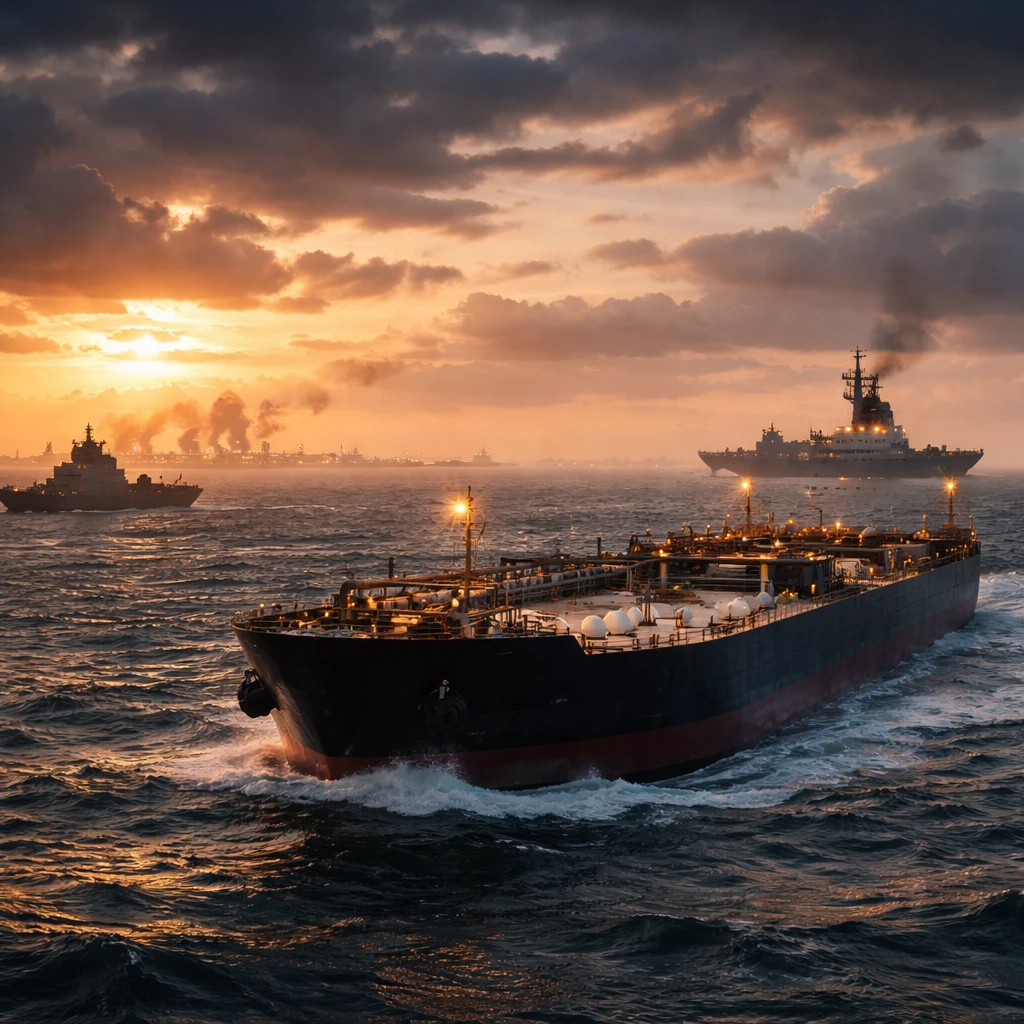
Efforts have also been reported to lessen the threat to shipping through the Strait of Hormuz, a critical channel for global energy shipments. U.S. military officials were cited as escalating operations to reopen the waterway. One option under discussion is for U.S. warships to escort vessels in and out of the Persian Gulf if the risk to commercial shipping can be sufficiently reduced.
Analysts at Vital Knowledge were quoted noting that Hormuz remains essential to resolving the supply disruptions and that no simple solution exists to fully reopen the waterway unless there is either a dramatic military escalation involving large ground forces or a diplomatic settlement. They also highlighted a warning from Saudi officials that oil prices could rise above $180 a barrel if the conflict persists through April.
Even if control over shipping lanes is restored, observers cautioned that strikes on onshore production and processing facilities could continue to constrain global supply for an extended period.
Policy backdrop
Against this geopolitical uncertainty, major central banks opted to hold interest rates steady over the course of the week. The Federal Reserve, European Central Bank, Bank of England, Swiss National Bank, and Bank of Japan each paused policy moves as they assessed the economic and inflationary consequences of the regional conflict and the associated energy-market shock.
Corporate note - FedEx
In corporate news, FedEx raised its full-year profit outlook after reporting better-than-expected fiscal third-quarter profit and revenue, citing robust demand during the holiday season. The company said that the updated forecast does not assume further disruptions from the geopolitical turmoil, but it warned that higher air freight costs and flight rerouting related to the Iran war could reduce returns in the current quarter.
FedEx acknowledged the potential need to raise customer fees in response to rising fuel and logistics costs, a move that could in turn damp consumer shipping demand. Speaking to Reuters, Chief Financial Officer John Dietrich said the company had not observed jet fuel supply interruptions as a result of the fighting. FedEx shares rose more than 9% in premarket U.S. trading.
What to watch next
Market participants will be monitoring developments on several fronts: further military actions and retaliatory strikes, any additional policy steps by the White House to release oil from strategic reserves or ease sanctions, repair progress at damaged production facilities such as Ras Laffan, and central banks’ evolving assessments of inflation risks tied to commodity-price moves. Each of these elements could influence energy prices and, by extension, equity market direction in the near term.