
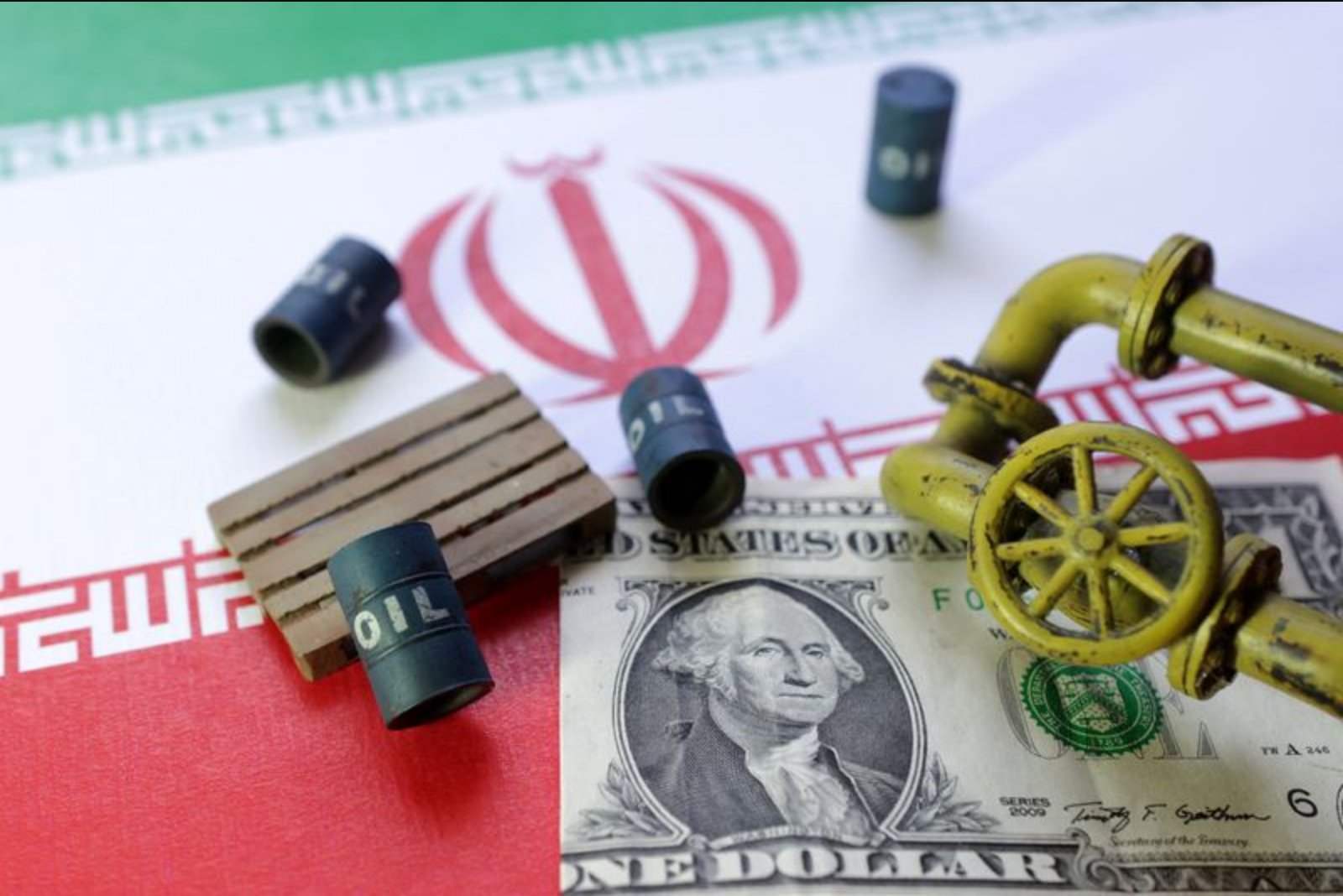
Senior leaders from three of the United States' largest oil firms conveyed concerns to senior administration officials that the energy shock linked to the Iran war may escalate before it improves. The conversations, according to people familiar with the matter, took place at White House meetings last Wednesday and in follow-up discussions with cabinet officials.
The executives representing Exxon, Chevron and ConocoPhillips raised the prospect that ongoing disruption of shipments through the strategically important Strait of Hormuz will sustain volatility in energy markets worldwide. They delivered these cautions in several meetings at the White House and in more recent exchanges with Energy Secretary Chris Wright and Interior Secretary Doug Burgum.
The account of those gatherings and the warnings they contained was reported by people with knowledge of the discussions. The report also noted that an independent confirmation of the account was not immediately available.
Context and coverage note
The meetings cited took place last Wednesday, with additional conversations described as recent communications with the two cabinet officials named above. The central concern relayed by the oil executives was the prospect that disturbances to energy flows via the Strait of Hormuz will continue to feed instability in global energy pricing and supplies.
Article content and ancillary material
The published piece that relayed these developments also included a separate promotional blurb directed at investors that posed a question about whether to buy Chevron common stock under the ticker CVX, referencing an AI-driven stock selection tool. That promotional content is distinct from the reporting on the meetings and the warnings conveyed by the oil executives.
Implications
- Company executives signaled a realistic risk of prolonged market disruption tied to the Iran conflict.
- Officials receiving those warnings included senior cabinet members responsible for energy and interior matters.
- The report of the meetings and warnings has not been independently verified at the time of publication.