
U.S. stock futures moved higher on Tuesday, recovering some of the volatility seen in the prior session as comments from President Donald Trump calmed investor concerns about the widening conflict in Iran.
By 06:00 ET (10:00 GMT), Dow futures were up about 145 points, or 0.35%. Futures for the S&P 500 gained roughly 17 points, or 0.3%, and Nasdaq 100 futures rose around 84 points, or 0.3%.
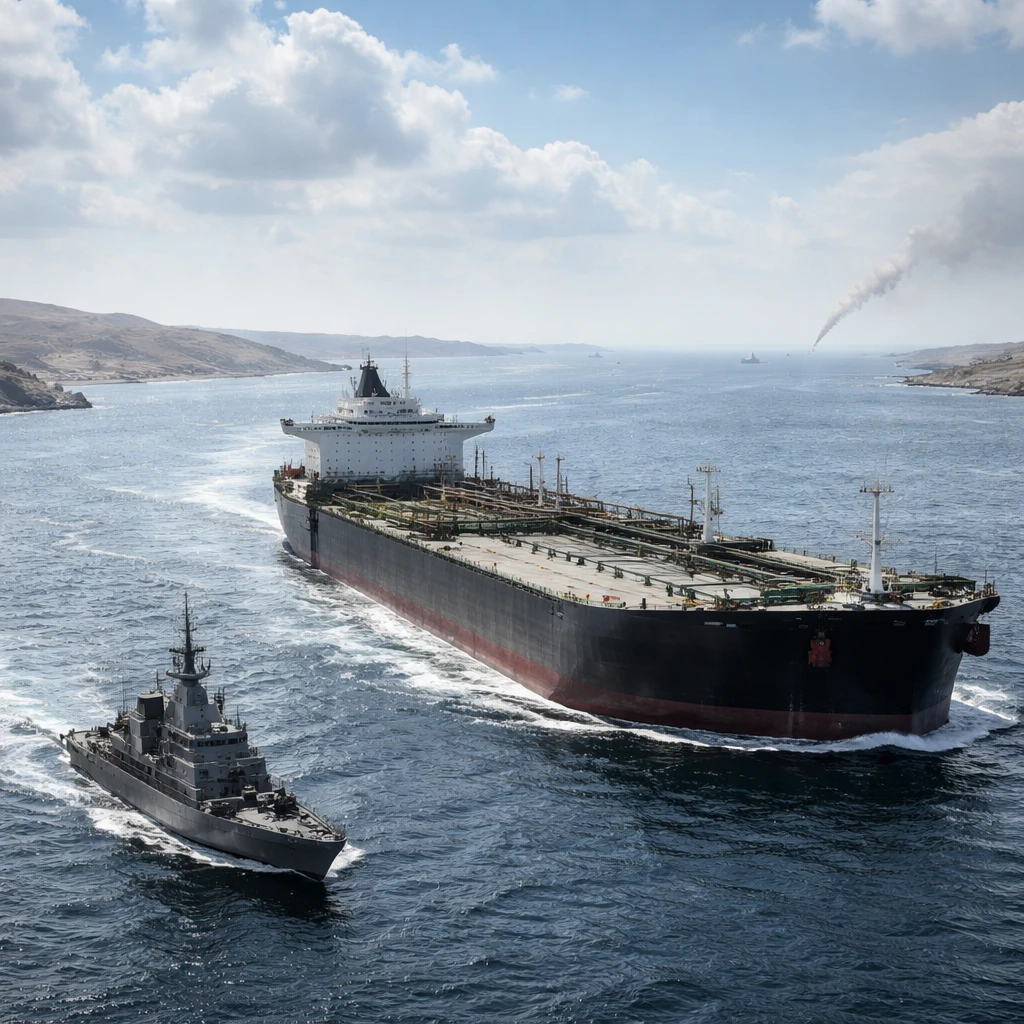
Speaking at his Florida golf club on Monday, Trump said he expects the assault in Iran to end "very soon." He also warned that the United States could carry out further strikes if Iran attempts to block shipments of oil through the Strait of Hormuz - a critical maritime chokepoint that handles about a fifth of global crude flows.
The president went further, saying the U.S. "could go further, and we're going to go further." He said he would kill new Iranian Supreme Leader Mojtaba Khamenei if Khamenei did not meet Washington's demands. The new leader, described as a son of Ali Khamenei who was slain in U.S.-Israeli strikes at the outset of the conflict in February, is viewed in the reporting as a selection that could sustain Tehran's hardline posture.
Iranian officials, for their part, have reportedly warned that not "one liter of oil" will be allowed to transit the Strait of Hormuz should U.S. and Israeli attacks continue. Iran's foreign minister also dismissed the possibility of ceasefire negotiations with Washington. Meanwhile, Israeli Prime Minister Benjamin Netanyahu said the military offensive is "not done yet," indicating Israel still aims to dismantle clerical authorities in Tehran.
On Tuesday, the conflict continued to escalate in parts of the region: Iran launched fresh attacks on Persian Gulf countries, and Israeli strikes hit locations in Lebanon, including targets linked to Iran-backed Hezbollah.
Market moves and drivers
Wall Street experienced a volatile session on Monday as investors weighed the implications of political and military developments. Early fears that the selection of Mojtaba Khamenei as Iran's supreme leader could harden Tehran's stance pushed markets toward risk-off positioning.
That fear pushed oil prices up to about $120 a barrel at one stage, nearing the highest levels seen since 2022. Disruption concerns centered on the Strait of Hormuz, which channels roughly a fifth of the world's crude and is thus an important bottleneck for global oil supplies.
Bond yields rose alongside the oil spike, reflecting investor concern that a sustained oil shock could boost global inflation and potentially prompt central banks to consider raising interest rates again.
Analysts at BCA Research said markets panicked on Monday as participants recognized the danger of a prolonged closure of the Strait of Hormuz.
Later developments, however, reversed some of those moves. After Trump told CBS News that the war is "very complete, pretty much," risk assets recovered. U.S. stocks closed higher, oil retreated, and bond yields eased.
On Tuesday, Brent futures had fallen by 7.4% to $91.53 a barrel, while U.S. West Texas Intermediate futures slipped 6.9% to $88.24 a barrel.
Officials from Group of Seven economies were reportedly planning talks on Tuesday among energy ministers, and G7 finance ministers earlier discussed the potential release of emergency oil reserves to steady crude markets.
Corporate calendar: Oracle in focus
On the corporate front, Oracle is scheduled to report earnings after the U.S. market close on Tuesday. Once a relatively smaller player in the cloud market, Oracle's profile has expanded owing to a partnership with OpenAI that positions the company as a provider of the computing power needed to run large artificial intelligence models.
Investors have grown increasingly wary about how Oracle will finance massive spending to expand its data-center footprint for OpenAI and other clients, including Meta Platforms. In December, Oracle said it now expects capital expenditures of $50 billion in the current fiscal year, up from an earlier projection of $35 billion.
Oracle shares, which reached about $328 in September, were trading at $151.56 before the U.S. open on Monday. The stock has fallen by more than 22% so far this year.
Analysts at Vital Knowledge noted that sentiment remains very cautious around Oracle, and they emphasized that while the Iran conflict currently dominates market headlines, developments in artificial intelligence remain among the single most powerful forces affecting S&P 500 movements.
Implications for markets and sectors
Energy markets have been the most directly affected by the geopolitical tensions, with crude benchmarks moving sharply on concerns about supplies transiting the Strait of Hormuz. Financial markets broadly reacted to the prospect of higher inflation and a potential change in monetary policy outlook driven by energy costs, as reflected in moves in bond yields.
Technology names tied to AI infrastructure, such as Oracle, remain under scrutiny for how capital-intensive expansion plans will be funded and how that spending will affect earnings and balance sheets.
What investors are watching next
- Further statements from U.S., Iranian and Israeli officials about the scope and duration of military operations.
- Any coordinated action by the G7 or other governments on emergency oil reserves to stabilize crude markets.
- Oracle's earnings release and management commentary on capital spending, cloud growth and customer demand tied to AI workloads.