
The U.S. Treasury Department's Office of Foreign Assets Control (OFAC) on Friday issued two general licenses that ease long-standing restrictions on Venezuela's energy sector, allowing global energy companies to resume operations and to negotiate contracts for new investments.
One of the licenses specifically permits a group of major oil companies - Chevron, BP, Eni, Shell and Repsol - to restart oil and gas operations in Venezuela. The second license opens a broader pathway for companies worldwide to enter into contracts tied to new investments in Venezuelan oil and gas projects.
Both licenses include explicit limitations: they do not authorize transactions with companies based in Russia, Iran or China, nor with entities that are owned or controlled through joint ventures with individuals or organizations from those countries. The restrictions remain a defining feature of the new authorization, limiting the universe of permissible counterparties and preserving targeted controls.
U.S. officials described the step as the largest loosening of sanctions on Venezuela since U.S. forces captured and removed President Nicolas Maduro last month. In the period since Maduro's removal, Treasury has already issued several other general licenses aimed at facilitating oil exports, storage, imports and sales from Venezuela.
The new authorizations also extend to the provision of U.S. goods, technology, software and services for activities related to the exploration, development or production of oil and gas in Venezuela, according to the Treasury announcement. That provision is intended to allow technical support and equipment flow to projects that restart under the licenses.
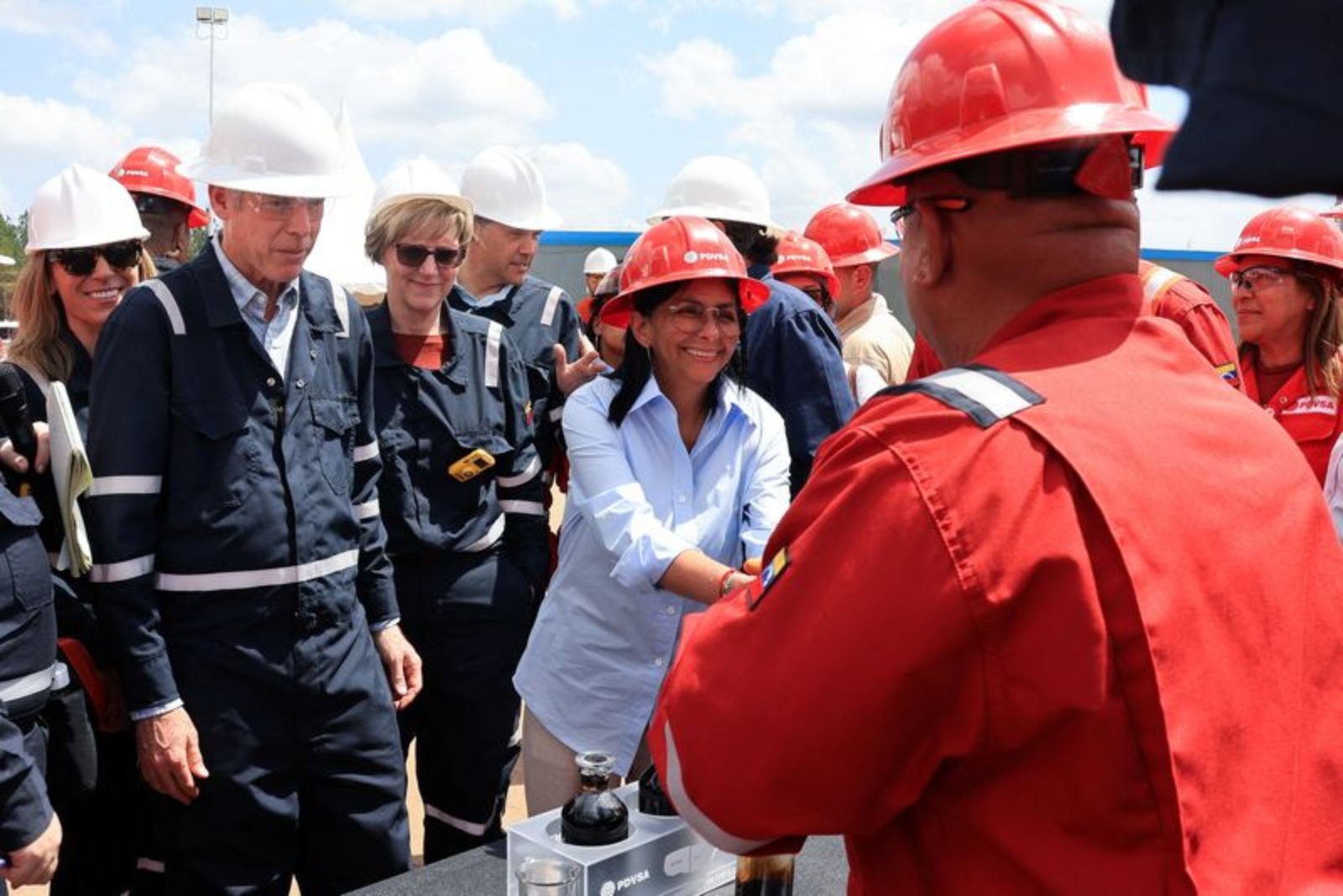
U.S. Energy Secretary Chris Wright, speaking on the second day of a trip to Venezuela, said oil sales from the country since Maduro's capture have totaled $1 billion, and that an additional $5 billion in sales is expected in the coming months. Wright also stated that the United States will control the proceeds from those sales until Venezuela establishes what he termed a "representative government."
The broader context includes efforts by the U.S. administration to attract large-scale capital to Venezuela's energy industry. The article notes that former President Donald Trump is seeking $100 billion in investments by energy companies in Venezuela's energy business. Treasury officials have previously authorized other measures to support exports and related activities.
Historical disputes over assets also figure in the picture. The Venezuelan government seized assets of Exxon Mobil and ConocoPhillips in 2007 under then-President Hugo Chavez. The Trump administration has sought to encourage those companies to consider investments in Venezuela, and officials said Exxon is in talks with the Venezuelan government and is gathering data about the sector. At a White House meeting last month, Exxon Mobil CEO Darren Woods said Venezuela was "uninvestable" at the moment. Exxon did not immediately comment on the recent licensing.
Collectively, the newly issued licenses and the earlier authorizations reflect a notable policy shift that permits a range of energy-related commercial activity in Venezuela while preserving targeted prohibitions tied to specified foreign actors.