
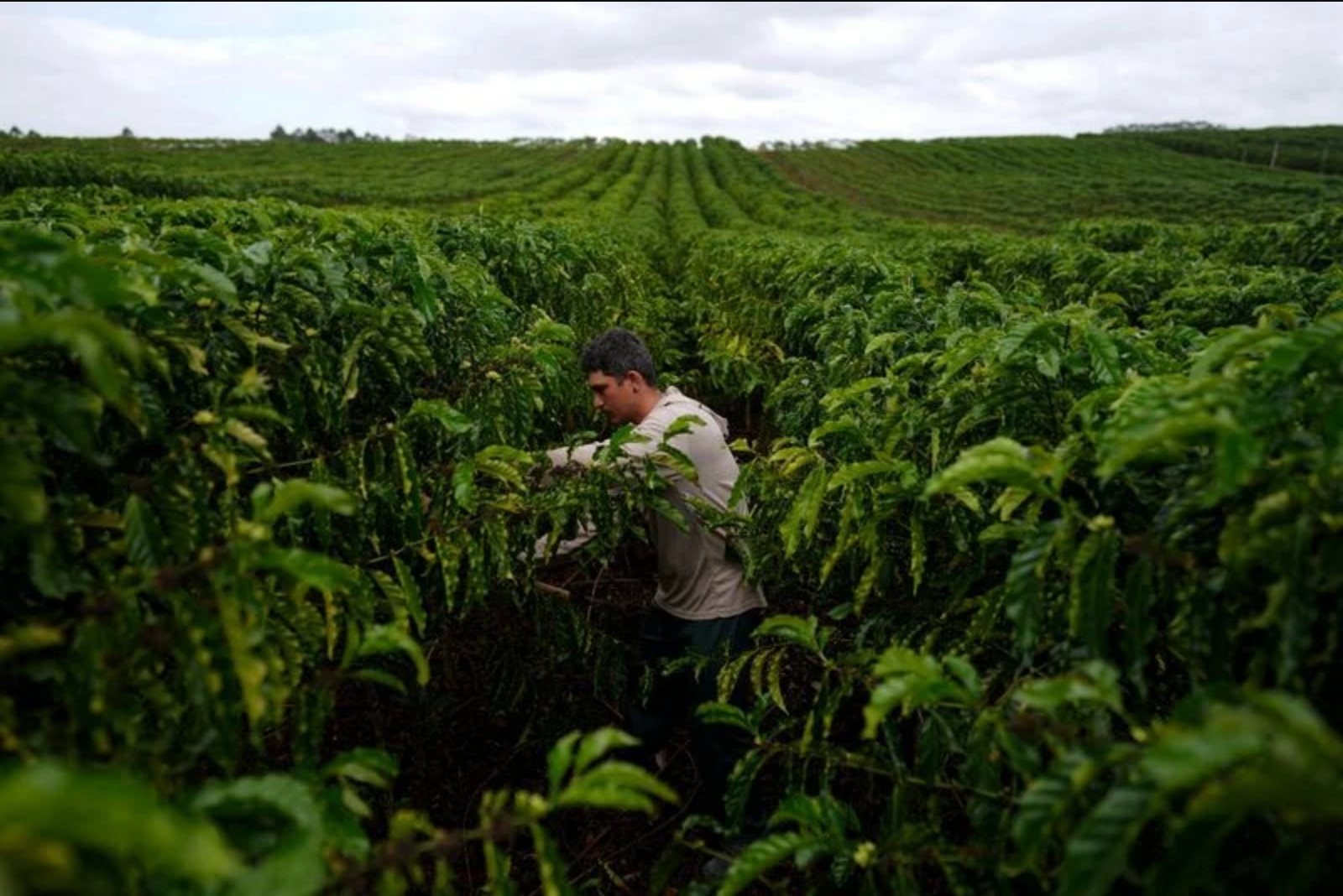
The U.S. coffee industry formally petitioned the Trump administration on Wednesday to maintain an exemption from tariffs for Brazilian green coffee during a public consultation reviewing potential duties on Brazilian imports.
The National Coffee Association (NCA) also asked that instant coffee be added to the list of Brazilian products spared from tariffs, noting that instant coffee is an important input for the competitiveness of U.S. producers as they expand ready-to-drink offerings such as canned coffee.
These remarks were made during consultations this week connected to the Section 301 investigation into Brazilian trade practices. The administration has been considering a 25% tariff on a range of Brazilian goods, citing allegedly unfair conduct across multiple areas, including digital trade and illegal deforestation.
"Ensuring tariff-free imports of these coffee tariff codes will have significant benefits for the U.S. economy and for the nearly 200 million American adults who drink coffee each day," said NCA President William Murray.
The association highlighted the role of tariff treatment in domestic price dynamics. Murray said tariffs had helped produce "highly visible price inflation on popular products", and that those price pressures have affected U.S. companies that manufacture ready-to-drink beverages, liquid coffee bases, syrups, and food service mixtures.
Brazil is the world's largest coffee producer and exporter and accounts for roughly one-third of U.S. coffee supply. The country was previously subject to a 50% tariff last year that disrupted the U.S. coffee industry until Washington moved to include green coffee on an exemptions list.
Instant coffee, by contrast, remained subject to the 50% tariff until a Supreme Court decision eliminated most of the earlier tariff measures. Instant coffee is now subject to a 10% global tariff.
The public consultations are part of the government's review under Section 301. Industry representatives used the opportunity to request continued exemption for green coffee and expanded exemption coverage to include instant coffee, linking these changes to the ability of U.S. firms to compete in markets for ready-to-drink and other consumer coffee products.
Market references related to coffee futures appeared alongside the consultation coverage, reflecting investor attention to the tariff discussion and its potential implications for commodity prices.
Summary of the recent filing:
- The NCA requested that green Brazilian coffee remain exempt from tariffs.
- The NCA asked that instant coffee be added to the tariff-free list, citing its importance to U.S. product competitiveness.
- Consultations are part of a Section 301 review that could impose a 25% tariff on several Brazilian imports based on allegations ranging from digital trade issues to illegal deforestation.