
The U.S. State Department on Thursday approved potential foreign military sales to three Middle East governments with an aggregate value of more than $16.5 billion, the department said in statements.
Combined approvals for the United Arab Emirates total more than $8.4 billion and cover a range of systems and equipment including missiles, unmanned aerial vehicles, radar systems and munitions and upgrade work for F-16 aircraft.
Kuwait received clearance for potential purchases of lower-tier air and missile defense sensor radars at an estimated cost of $8 billion, while Jordan was approved for aircraft and munitions support priced at about $70.5 million.
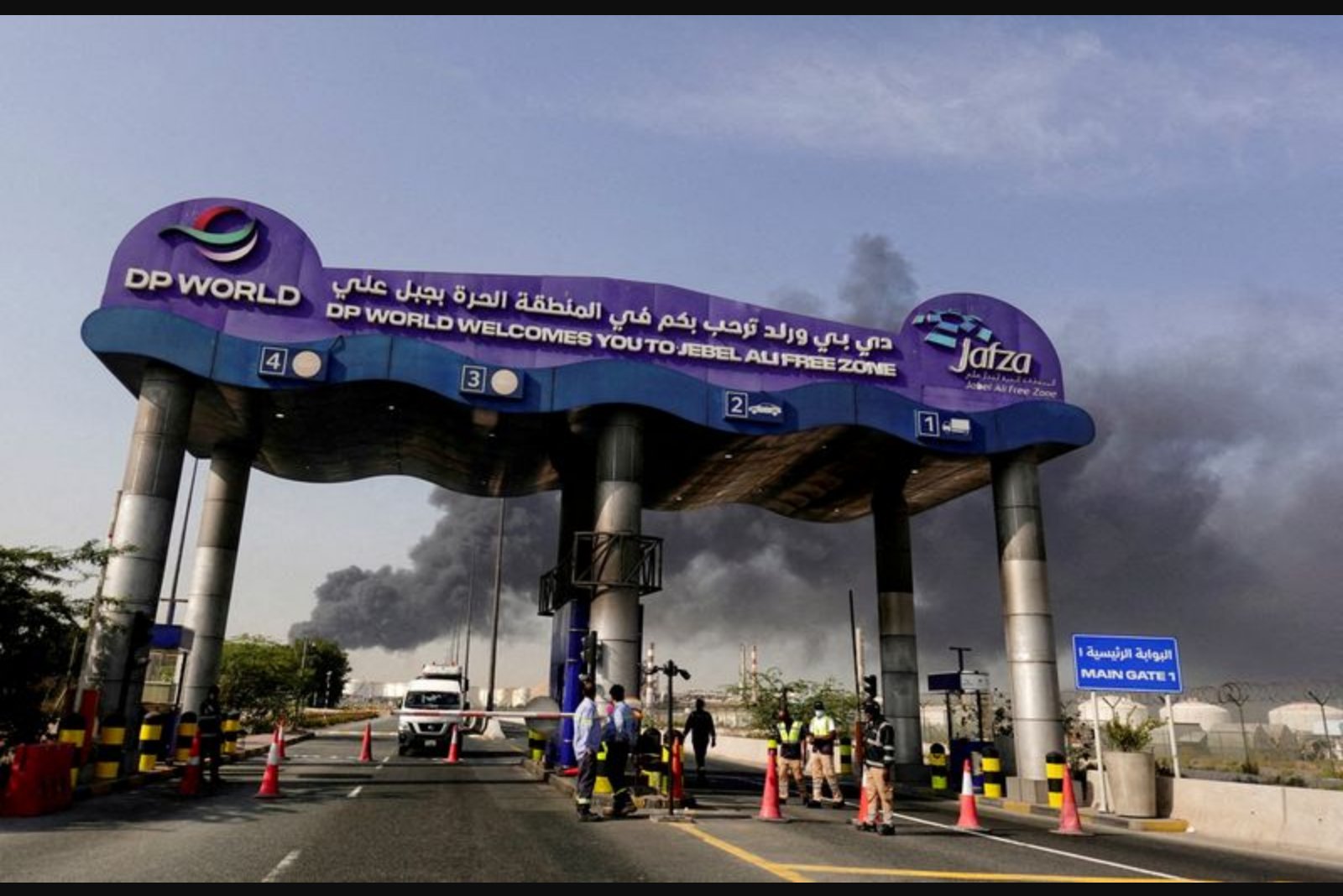
The State Department linked the timing of the approvals to a regional security context in which hostilities involving Iran have escalated. The sales were announced after Iranian strikes on energy infrastructure that were carried out in response to Israeli attacks on Iranian gas facilities - moves the department said represented the largest escalation of the nearly three-week conflict. The department noted those actions contributed to surges in gas prices and further upward pressure on oil prices.
The statements named several principal contractors who would supply the systems should the sales proceed, including RTX Corporation, Northrop Grumman and Lockheed Martin Corporation.
Alongside the arms-sale details, the material released to the public included investor-oriented commentary about one of the listed defense contractors. That commentary noted an advisory product, ProPicks AI, evaluates Northrop Grumman (ticker NOC) and thousands of other companies on more than 100 financial metrics on a monthly basis. The promotional language described the AI as assessing fundamentals, momentum and valuation to identify risk-reward opportunities, but did not alter the factual record about the approved sales.
Context and implications
The approvals span high-end strike and support capabilities for the UAE, radar sensor systems for Kuwait and modest aircraft support for Jordan. The dollar values are presented as department estimates for potential sales, and the companies named are identified as the likely principal contractors if the transfers move forward.
While the announcements are procedural notifications of potential U.S. government-to-government transactions, they come against a backdrop of heightened regional tension and energy market sensitivity.
Data and sources
All figures, system descriptions and contractor names above are drawn from the State Department statements announcing the potential sales to the three countries. The article does not introduce additional figures or events beyond those provided in those statements.