
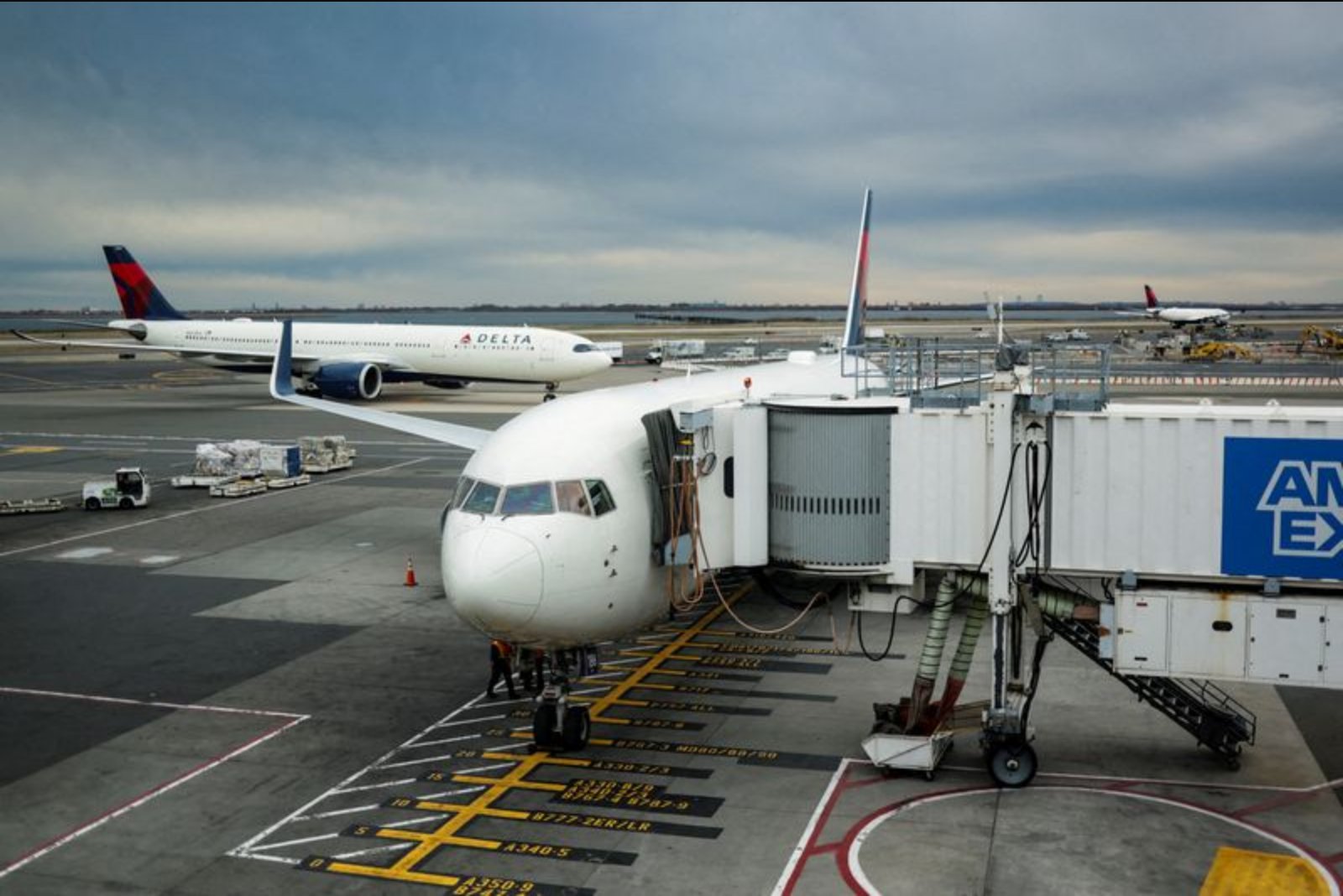
U.S. airlines are now far more exposed to movements in oil and jet fuel prices than they were in earlier decades, after largely moving away from hedging strategies. The recent spike in jet fuel following U.S.-Israel strikes on Iran underscores that exposure: jet fuel prices have risen 15% in the past week, a fresh pressure point for an industry already coping with service disruptions that have left more than 20,000 flights cancelled and thousands of passengers stranded.
Fuel represents the second-largest cost for airlines after labor and generally makes up about a fifth to a quarter of operating expenses for carriers. Yet over the last 20 years U.S. airlines have mostly stepped back from fuel hedging programs, leaving them vulnerable if a prolonged conflict keeps prices elevated.
Southwest, which historically hedged fuel, stopped the practice in 2025, saying hedging had become costly and unreliable for the company. By contrast, some European and Asian carriers, including Air France-KLM and Cathay Pacific, continue to maintain active hedging books.
Hedging operates by using derivative contracts to provide protection from sudden cost spikes in fuel. Those instruments can limit the impact of a rapid price increase, but they carry the opposite risk when prices drop, as past swap arrangements have left U.S. carriers paying above-market rates. Without such contracts in place, sustained higher jet fuel prices would directly inflate operating expenses.
Industry price data cited in filings and market services show current pressure on carriers. The Oil Price Information Service reports average jet fuel at $2.83 per gallon. Spot fuel traded at the U.S. Gulf Coast surged to $4.12 a gallon on Thursday, the highest level since June 2022, according to Platts, a unit of S&P Global Energy. Benchmark U.S. crude surpassed $81 a barrel on Thursday, closing at its highest since July 2024, underscoring the broader trend in energy markets.
Regulatory filings from major U.S. carriers quantify the sensitivity of fuel costs to small price moves. Delta Air Lines said a one-cent increase in the cost of jet fuel per gallon would raise yearly fuel expenses by roughly $40 million. American Airlines reported a $50 million annual increase for the same one-cent rise, while Southwest estimated $22 million. American noted it used about double the amount of fuel as Southwest in 2025, attributing that to fleet size and a higher overall level of flying.
Analysts are already translating fuel spikes into potential earnings impacts. TD Cowen estimated on Monday that United Airlines’ earnings per share for the March quarter could fall in a range of 5 and 22 cents at current jet fuel prices, a sizable shortfall compared with United’s January adjusted EPS forecast of $1 to $1.50. United declined to comment for this analysis.
When aggregated, Reuters calculations indicate that four major U.S. carriers could face a combined $5.8 billion in additional fuel costs if jet fuel remains at these elevated levels for the full year, after several years of lower fuel expenses. Requests for comment went unanswered by JetBlue, Delta and Alaska at the time of reporting.
The pressure on profitability will vary by carrier and will hinge on the duration of price elevations and each airline’s capacity to pass costs to customers or otherwise offset them. Carriers that depend more heavily on premium cabins and business travel may be better positioned to increase fares without losing substantial demand. Morgan Stanley analyst Ravi Shanker summed up a common expectation in the market: "I’m pretty convinced the airlines are going to remain unhedged in the U.S. and look to pass through the costs to end consumers (only if needed in the event of sustained fuel inflation) instead."
European carriers’ ability to save on fuel will depend on the prices at which they previously hedged, given notable jet fuel price swings over the last year, Shanker said. For U.S. airlines competing in highly contested domestic markets, cushioning the blow will be tougher. The piece highlights that carriers such as Alaska Air and JetBlue operate in particularly competitive arenas and derive less revenue from premium cabins, making them more exposed to cost shocks.
American Airlines was described as serving a larger fare-sensitive leisure base. Its short-haul operations can be more fuel intensive because frequent take-offs and landings increase fuel burn per available seat mile, raising cost exposure on those routes.
Delta benefits from a distinctive operational buffer: ownership of a subsidiary-run refinery in Pennsylvania with capacity near 190,000 barrels per day, which equates to almost three-quarters of Delta’s fuel consumption. That refinery shields Delta to some extent from the refining margin - the spread between crude oil and refined jet fuel that other carriers would otherwise pay to refiners. Nonetheless, Delta remains exposed to movements in crude prices despite its refining asset.
Ultimately, whether the recent price move becomes a meaningful long-term drag on airline margins depends on how long geopolitical tensions keep jet fuel prices high and on each carrier’s mix of revenue, cost structure and any remaining hedges or operational offsets. The current market dynamics have returned fuel to the center of margin risk for an industry that largely relinquished the tool that once limited that risk.
Summary: U.S. airlines largely stopped hedging fuel costs over the past two decades. After recent strikes drove jet fuel up 15% in a week, unhedged carriers face materially higher fuel bills if prices stay elevated. The impact will vary across airlines depending on fleet usage, route mix, premium revenue and any owned refining capacity.