
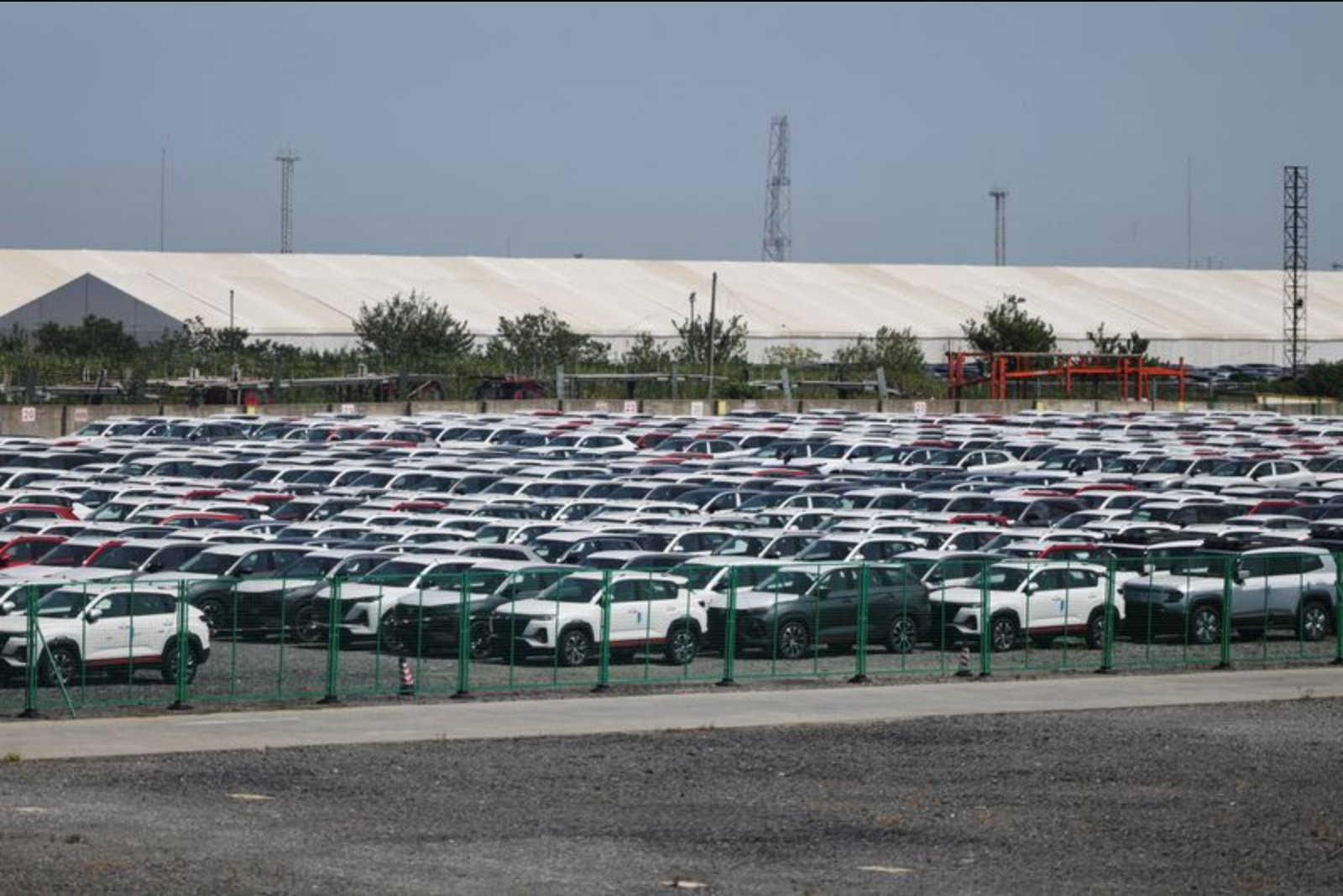
Major trade organizations representing automakers, dealers and parts suppliers have formally urged the U.S. government to keep Chinese vehicle manufacturers from entering the American market, according to a letter circulated to the administration.
The groups said they have "serious concerns about China’s ongoing efforts to dominate global automotive manufacturing and to gain access to the U.S. market. These actions pose a direct threat to America’s global competitiveness, national security, and automotive industrial base." The communication was sent ahead of a scheduled meeting between President Donald Trump and Chinese President Xi Jinping.
The letter referenced a 2025 U.S. Commerce Department cybersecurity regulation that, in practice, blocks nearly all Chinese vehicles from being sold in the United States. The five trade organizations that signed the letter - which include associations for automakers, car dealers and parts manufacturers - told the administration that the regulation should remain in force.
The Chinese Embassy in Washington did not immediately offer a response to the groups' letter.
In the same letter, the trade groups cautioned the administration to resist any attempts by Chinese manufacturers to sidestep the current restrictions by setting up production facilities inside the United States, writing, "We also strongly urge the Administration to reject any attempt by Chinese manufacturers to circumvent these existing restrictions by establishing production facilities in the U.S." They added that the "market distortions and risks to the auto industry in the U.S. are fundamentally the same whether these vehicles are imported or produced domestically."
President Trump has previously indicated openness to Chinese automakers building plants in the United States. In January, he was quoted saying, "If they want to come in and build a plant and hire you and hire your friends and your neighbors, that’s great, I love that," during remarks at the Detroit Economic Club.
Last December, the Alliance for Automotive Innovation, which represents a broad group of major global manufacturers, warned that "China poses a clear and present threat to the auto industry in the U.S" and urged U.S. policymakers to prevent Chinese government-backed automakers and battery manufacturers from opening manufacturing operations on American soil.
Representatives named in the letter include the Alliance for Automotive Innovation, the National Automobile Dealers Association and the American Automotive Policy Council, among other industry groups. The Alliance has a membership that lists a range of large automakers and suppliers.
The industry appeal underscores tensions between trade and national security considerations and raises questions about how U.S. regulatory policy will address foreign investment and domestic manufacturing in the automotive and battery sectors.