
Stock Markets February 11, 2026

U.S. Army Uses AeroVironment LOCUST Laser Near El Paso, Prompting Multi-Hour Flight Halt

Deployment of 20-kilowatt direct-energy counter-drone system at Fort Bliss leads to extended FAA airspace closure amid safety concerns

By Avery Klein AVAV
U.S. Army Uses AeroVironment LOCUST Laser Near El Paso, Prompting Multi-Hour Flight Halt
AVAV

The U.S. Army operated AeroVironment’s 20-kilowatt LOCUST laser counter-drone system near El Paso International Airport, triggering an FAA-imposed suspension of commercial flights for more than seven hours while officials assessed risks to aircraft. The system, delivered to the Army in September 2024 and tested at Yuma Proving Ground, has been deployed as part of a Multi-Purpose High Energy Laser prototyping effort and raises questions about safe use of directed-energy defenses near civilian airspace.

Key Points

  • The Army deployed a 20-kilowatt AeroVironment LOCUST laser near El Paso International Airport, prompting the FAA to pause flights for over seven hours - impacts the aviation and defense sectors.
  • LOCUST systems were first delivered to the Army in September 2024 and had been tested at Yuma Proving Ground with training at Fort Sill - relevant to military procurement and defense contractors.
  • Pentagon reporting of more than 1,000 monthly drone sightings on the U.S.-Mexico border underscores demand for counter-drone capabilities - affects border security, defense industry, and regional logistics.

The U.S. Army conducted an operational deployment of AeroVironment Inc.'s LOCUST laser counter-drone weapon system near El Paso International Airport, producing an interruption to commercial air service that lasted more than seven hours, two people briefed on the situation said.

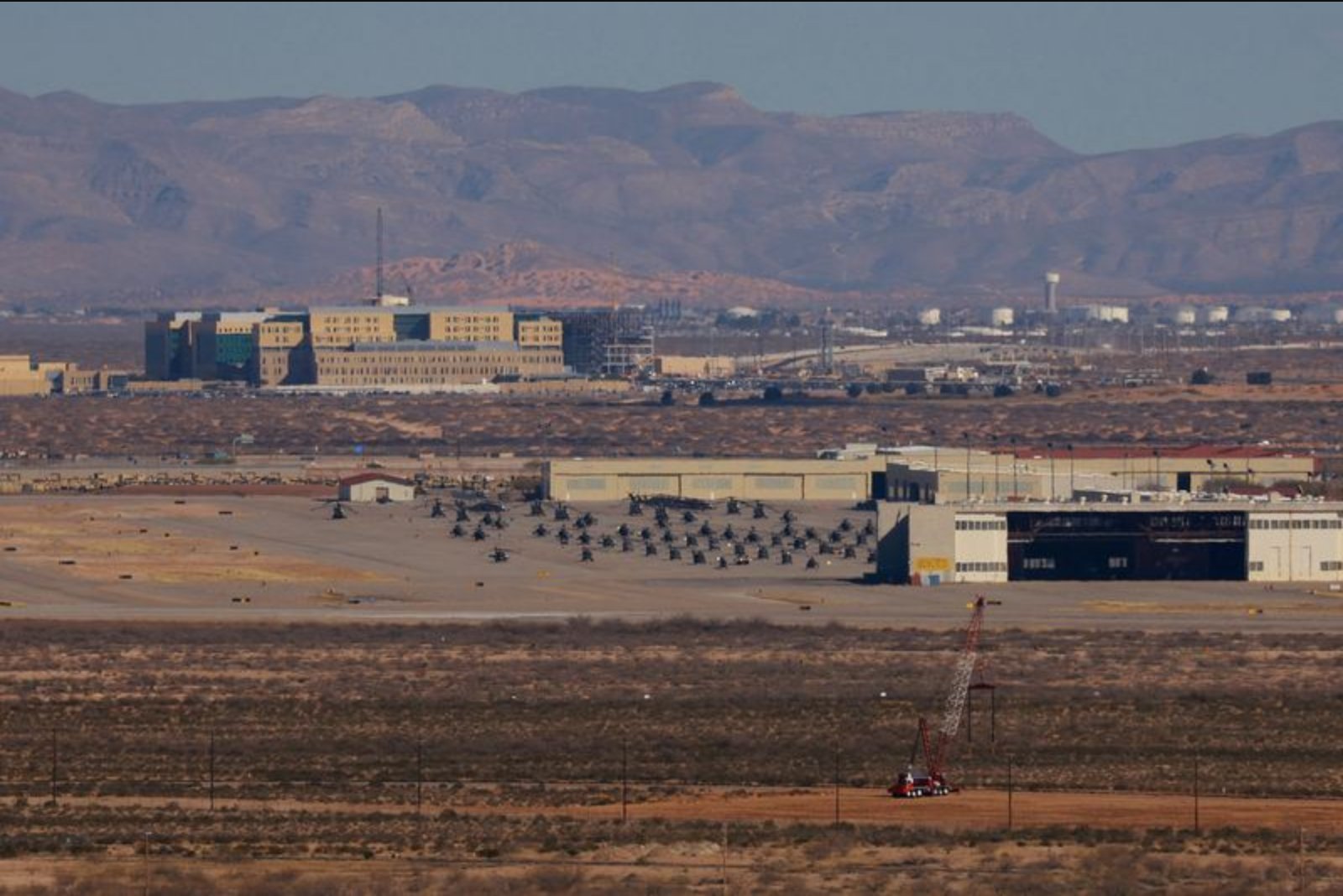
The direct-energy weapon involved is a 20-kilowatt LOCUST laser. Its employment in the vicinity of the airport - with the system located at Fort Bliss, which sits adjacent to the airport - prompted the Federal Aviation Administration (FAA) to halt flights into and out of the Texas border city for the duration of the safety review.

Officials described the LOCUST as an example of advanced counter-drone technology capable of neutralizing airborne threats at a fraction of the cost of traditional interceptor missiles. The weapon’s use in this setting had not been previously reported.

AeroVironment and Pentagon representatives did not immediately provide comment when asked about the deployment.

The United States has been pursuing options that can defeat drones safely and affordably, especially in locations where civilian air traffic or large public gatherings create potential hazard zones. The urgency around such systems has been emphasized in connection with several upcoming events this year that elevate concern about drone risks.

On the southern border, Pentagon reporting indicates that more than 1,000 drone sightings occur monthly. That operational environment has driven interest in layered counter-drone defenses, including advocacy among defense experts for integrating such capabilities into broader missile and air defense initiatives along the border.

AeroVironment, a Virginia-based manufacturer of drones and counter-drone systems, delivered its first two LOCUST units to the U.S. Army in September 2024 under the Multi-Purpose High Energy Laser prototyping program. Before those deliveries, the systems underwent testing at Yuma Proving Ground in Arizona. Army personnel later received training on the equipment at Fort Sill, Oklahoma.

Defense specialists have suggested that counter-drone layers could be incorporated into larger initiatives to protect critical infrastructure and border regions from small unmanned aircraft used for surveillance or attacks.


Summary

The Army’s use of AeroVironment’s 20-kilowatt LOCUST laser near El Paso led to an FAA suspension of commercial flights for more than seven hours while officials addressed potential risks to aviation. The system was one of the first delivered to the Army in September 2024 and has been tested and fielded through a Multi-Purpose High Energy Laser prototyping effort.

Risks

  • Potential safety risks to commercial aviation from operating directed-energy systems near civilian airports - impacts the aviation and commercial travel sectors.
  • Operational use of new laser-based counter-drone weapons in populated or high-traffic airspace can prompt significant disruptions and regulatory scrutiny - impacts airport operations and defense deployments.
  • Uncertainty about integration and coordination between military directed-energy deployments and FAA procedures could lead to further airspace restrictions or delays - affects airlines, airports, and defense planners.

More from Stock Markets

Nvidia Results and Software Earnings to Test AI-Driven Market Sentiment Feb 22, 2026 Analysts Shift AI Bets: Nvidia, Amazon, Dell, Analog Devices, Shopify See Upgrades and Bullish Casework Feb 22, 2026 Investors Trim Positions in EssilorLuxottica Amid Smart-Glasses Threat Feb 22, 2026 European Equities Split Between Defense, Financials Rally and Consumer, Healthcare Slump Feb 22, 2026 Stifel Warns Enterprise Software May Face Prolonged Realignment, Drawing Lessons from eCommerce Shift Feb 22, 2026