
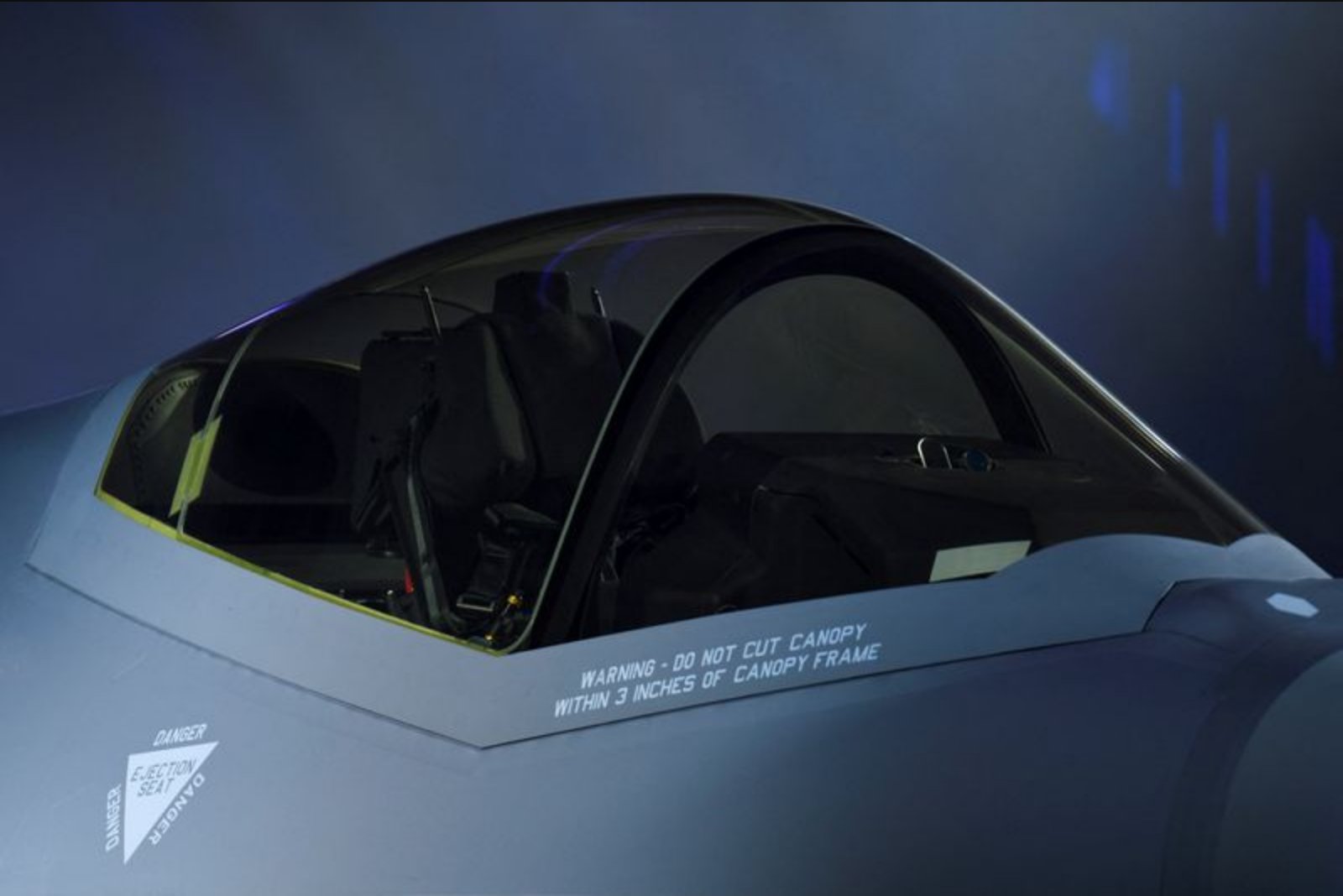
The U.S. ambassador to Portugal has publicly recommended that Lisbon select Lockheed Martin’s F-35 to replace its ageing F-16 fighters, saying the stealth aircraft would secure interoperability with Europe’s highest-performing air forces.
In an interview with CNN Portugal late on Sunday, Ambassador John Arrigo framed his push for the F-35 as part of a broader effort to bolster Portugal’s defence posture. He said he planned to draw on his business experience to encourage an increase in defence spending toward NATO’s goal of 5% of gross domestic product by 2035, compared with Portugal’s present level of 2%.
"F-35 is the best fighter - it’s a fifth-generation stealth fighter, it’ll get them (the Portuguese Air Force) into the Champions League when it comes to the EU," Arrigo said.
Portuguese Defence Minister Nuno Melo has said that, as of November, a formal process to choose replacement fighters had not yet begun. Arrigo noted that more than 900 F-35s were already in service or on order across Europe and argued that the jet would improve interoperability. He also emphasized the aircraft’s European industrial links, saying roughly 25% of the plane is built using European parts.
Arrigo addressed Portugal’s relations with China and characterised U.S. policy as seeking to "de-risk" rather than force a binary choice between Washington and Beijing. He said the Trump administration was not pushing Portugal to decouple from China, but was instead promoting measures focused on cybersecurity and investment screening.
The ambassador referenced the expansion of Chinese companies in Portugal in the years following the country’s 2011-14 bailout, when lower asset prices attracted foreign investors. Portugal secured a 78 billion euro bailout in May 2011 from the EU, IMF and ECB after soaring borrowing costs during the eurozone debt crisis had cut it off from markets, and measures attached to that support included strict austerity that contributed to a deep recession.
Chinese investors now hold significant stakes in several Portuguese companies: China Three Gorges owns 21.4% of utility EDP; China State Grid holds 25% of grid operator REN; and Hong Kong-listed Fosun controls 20% of bank Millennium BCP and 85% of insurer Fidelidade.
On the broader bilateral relationship, Arrigo said the United States views itself as Portugal’s "best partner but wants to keep any adversary... at arm’s length." He pointed out that Portugal joined China’s Belt and Road Initiative in December 2018 and said that Lisbon’s partnership with the U.S. would "flourish" if Portugal exited that initiative, citing Italy’s exit in 2023 as an example.
Context and implications
The ambassador’s remarks touch on several policy and market questions: the choice of a replacement fighter for Portugal’s air force has defence procurement implications; the share of European parts in the F-35 connects the decision to industrial supply chains; and the discussion of Chinese investment and Belt and Road participation intersects with national security and regulatory scrutiny of foreign ownership.
Decisions on procurement and on screening foreign investment could affect sectors ranging from defence contractors and aerospace suppliers to utilities and financial services where foreign ownership stakes exist.