
United Maritime Corporation (NASDAQ:USEA) shares rose 4.4% on Tuesday, reacting to a package of strategic asset transactions the company disclosed that are intended to improve earnings quality and increase free cash flow potential.
In the first transaction, United will sell its equity stake in a Norwegian joint venture that owns an Energy Construction Vessel currently under construction. The company said it anticipates receiving approximately 13.0 million from this disposal, which should produce a profit of roughly 1.7 million. United expects the sale to conclude by May 31, 2026.
Separately, United agreed to sell its oldest Kamsarmax, the 2009-built MV Cretansea, to an unaffiliated buyer for a net sale price of $14.7 million. After repaying associated debt, the company estimates net cash proceeds of about $6.0 million. That transaction is expected to close by May 25, 2026.
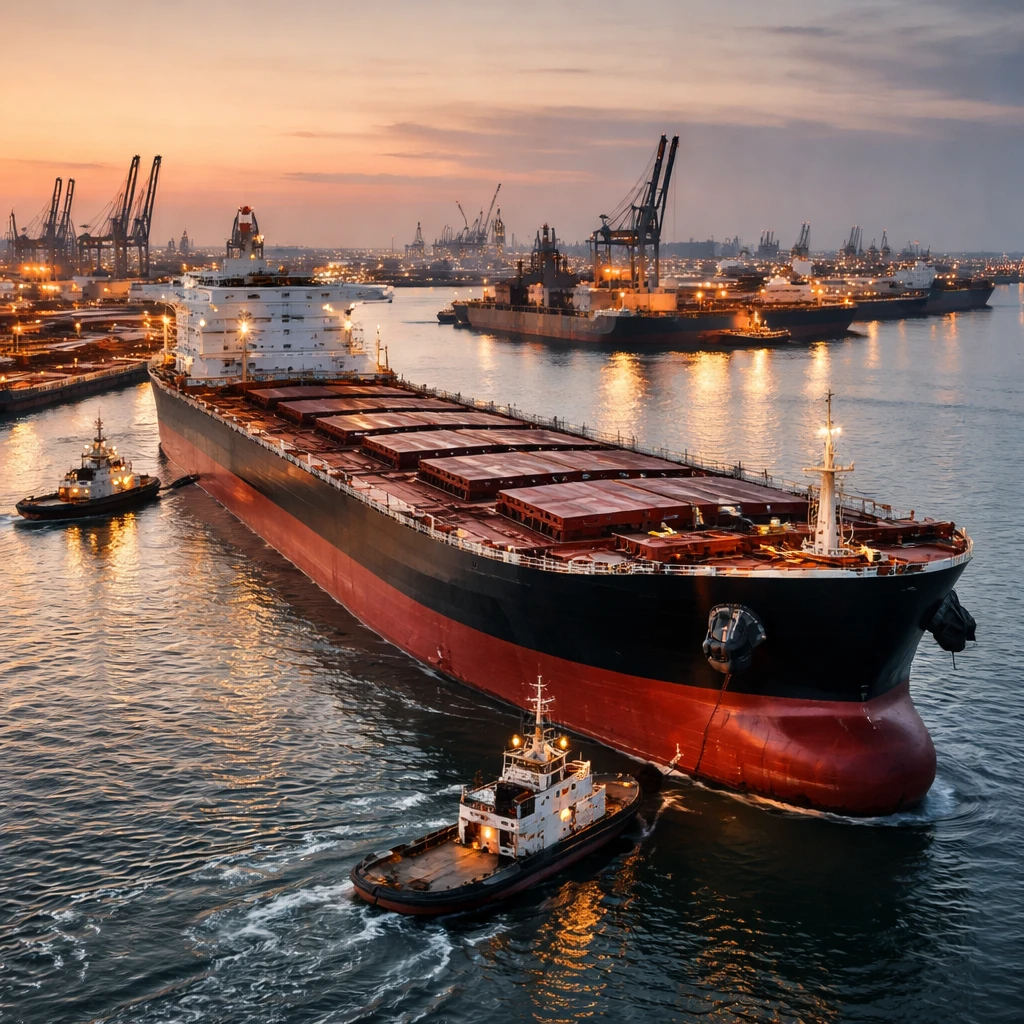
At the same time, United entered an 18-month bareboat charter arrangement with Seanergy Maritime Holdings Corp. for a 2010-built Japanese Capesize dry-bulk vessel. Under the arrangement United has advanced a $5.5 million down payment for the vessel. The charter carries a daily rate of $9,450 and includes a purchase obligation of $22.1 million at the end of the 18-month term.
United stated that the combined effect of these transactions should release approximately $15.5 million in liquidity. The company indicated its intention to seek redeployment of that capital into more accretive opportunities and to continue shareholder returns, contingent on market conditions.
Management framed the set of moves as a strategic tilt toward higher-quality, more cash-generative assets. In particular, the company identified the Capesize market as the most cash-generative segment within dry bulk shipping, and the Capesize charter-purchase is presented as consistent with that objective.
Key points
- United Maritime expects to receive about 13.0 million from selling an equity stake in a Norwegian joint venture, producing an estimated profit of 1.7 million, with closing by May 31, 2026.
- The company will sell the 2009-built MV Cretansea for a net price of $14.7 million, yielding roughly $6.0 million in net cash after debt repayment, with closing targeted for May 25, 2026.
- United entered an 18-month bareboat charter for a 2010 Japanese Capesize vessel with a $5.5 million down payment, a $9,450 daily charter rate, and a $22.1 million purchase obligation at term end; the combined transactions are expected to free about $15.5 million in liquidity.
Risks and uncertainties
- The timing and completion of the announced sales and the charter-purchase are subject to closing conditions and market timing - delays or adjustments could affect the expected liquidity release. This impacts the shipping and maritime finance sectors.
- Redeployment of the freed capital into more accretive transactions and continued shareholder returns is conditional on market conditions; adverse markets could constrain these plans. This impacts investors and capital allocation decisions within the company.
United's announcement outlines clear near-term monetizations and a targeted move into Capesize exposure. The company projects that these steps will improve cash flow potential, while leaving open how and when the liberated capital will be redeployed given prevailing market conditions.