
Unilever's stock declined on Thursday, extending losses from the prior session, after media reports suggested the consumer goods group could spin off its packaged food unit and had held, then ended, merger discussions with Kraft Heinz. Market participants and analysts said the prospect of a major corporate separation so soon after a protracted split of the ice cream business raises concerns that CEO Fernando Fernandez could be diverted from day-to-day operations.
Investors also pointed to recent leadership turnover tied to attempts to reorient the conglomerate away from some food holdings toward personal care and beauty. Two former chiefs, Alan Jope and Hein Schumacher, were removed after they were judged not to have shifted the portfolio quickly enough. Jope, before stepping down in 2022, pursued three failed bids for GlaxoSmithKline’s consumer health brands - a business now spun off as Haleon - moves that were widely viewed as ill-fated and unpopular.
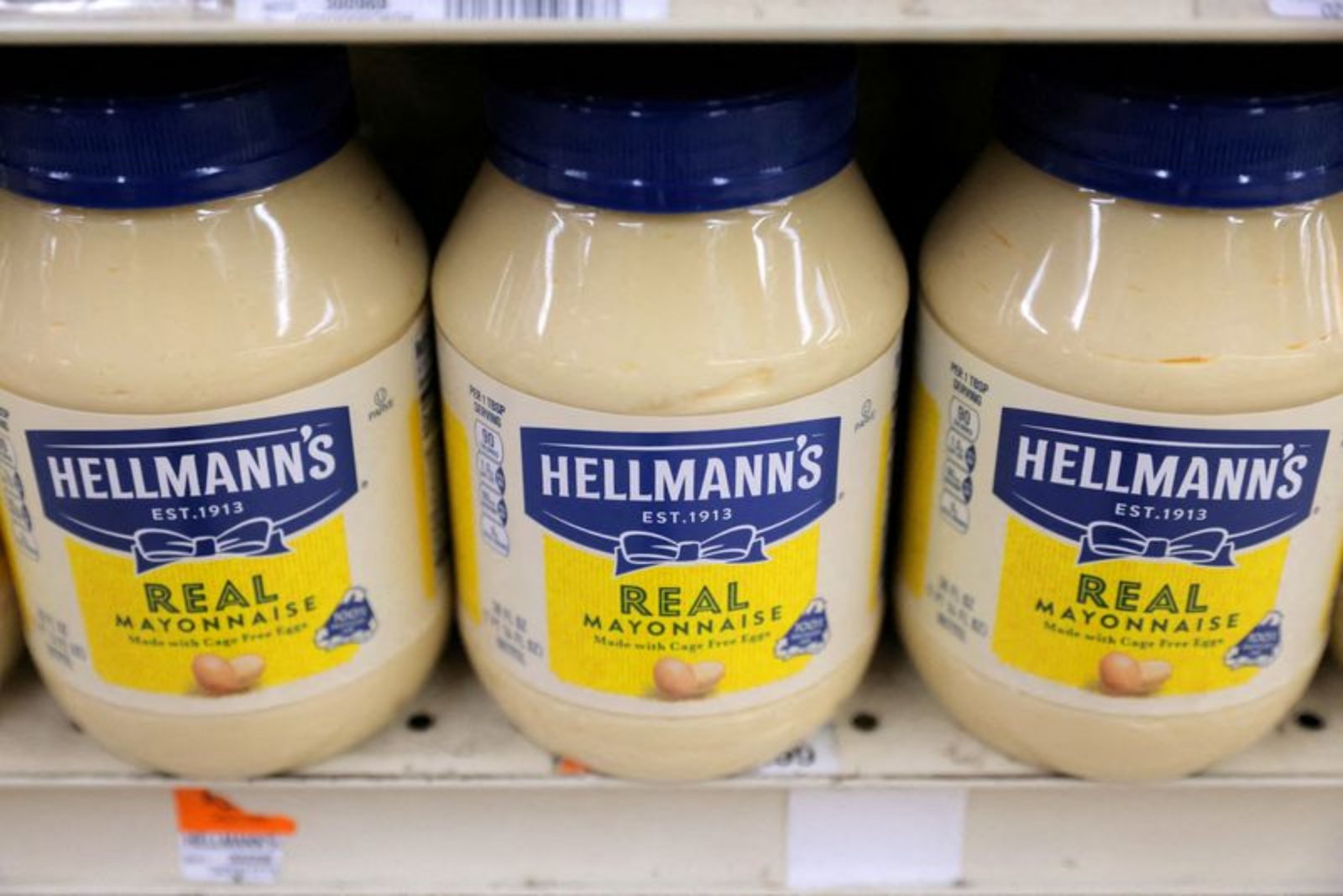
How important is the food business to Unilever? The packaged food division generates just over a quarter of the group's revenues and includes well-known lines such as Knorr bouillon powders, Hellmann’s condiments and Marmite spreads. On a profitability basis the unit performed ahead of the broader group last year: its underlying operating margin - which excludes foreign exchange effects - was 22.6% of revenue, compared with a 20% underlying margin for Unilever as a whole.
The food arm reported an operating profit of 2.9 billion euros last year. Barclays' analysis implies an enterprise value for the business in the vicinity of 30 billion euros.
Despite the solid margin profile, the unit has lagged in growth. It expanded by 2.5% last year, making it the company's second-largest segment by sales after personal care but growing more slowly than other Unilever businesses and well under the group’s mid-term sales target. Underlying sales growth in foods has trailed other units since the elevated pandemic-era levels, repeatedly missing the conglomerate’s stated annual goal of 4% to 6%.
Analysts and investors have flagged structural and demand-side headwinds. The packaged foods category faces intensified scrutiny over ultra-processed products and mounting competition from private-label lines. Changes in consumer behaviour are an additional worry, with the emergence of GLP-1 weight-loss drugs cited alongside public comments from politicians - including U.S. Health Secretary Robert F. Kennedy Jr - drawing attention to health risks associated with processed foods, factors that could weigh on long-term consumption patterns.
The performance divergence is amplified by geography. The foods business is split between developed and emerging markets, with growth markedly stronger in places like India and parts of Latin America than in North America and Europe. Emerging markets account for about 55% of Unilever's food sales, a source of higher growth potential, yet that expansion has not been sufficient to offset saturation in Europe and the U.S., where demand is described by analysts as largely mature.
Barclays analyst Warren Ackerman said there is more growth in emerging markets, which account for 55% of food for Unilever, but it’s still not enough to make up for Europe and the U.S. where the market is saturated.
The combination of a potentially distracting strategic review, a food portfolio that is profitable but slower-growing, and external pressures on demand has left investors debating the merits of a separation. Any move to split the unit would need to be weighed against the recent history of portfolio changes and the risks associated with removing a business that contributes significant revenue and above-average margins to the group.
Context note: The company’s food business figures and analyst estimates cited above are drawn from reported results and Barclays' published assessments.