
Unilever Plc is assessing whether to separate its food operations as part of a portfolio review, according to people familiar with the discussions. The planning is described as preliminary, with the company engaging advisers to examine a number of structural options for its food assets.
Executives are evaluating alternatives that include spinning off the entire food business, or retaining several marquee labels while divesting or detaching the rest. The review is at an early stage and Unilever may ultimately choose to keep its current configuration or pursue different courses of action. Company officials have not reached any final decisions, and the process may not produce any deal before 2027.
A sale or separation of the food division would likely command a valuation in the tens of billions of dollars, people familiar with the matter said. The assets could also draw interest from prospective buyers, though there are no confirmed bidders at this stage.
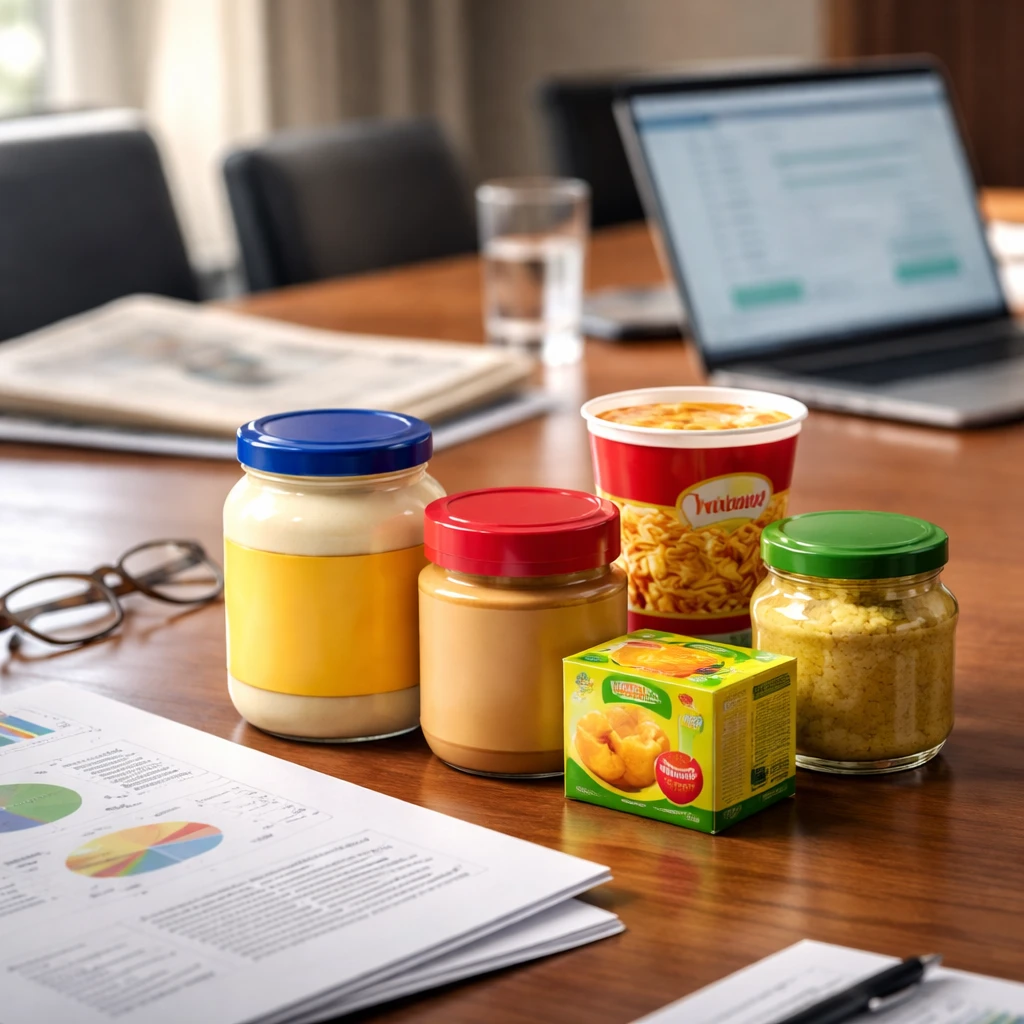
Unilever's food portfolio includes established names such as Colman's condiments, Knorr stock cubes, Maille Dijon mustard, Namdong instant noodles and Marmite savory spread. Over the past decade the company has divested several food-related assets, among them its global spreads unit that once included I Can't Believe It's Not Butter!, and more recent disposals such as snack brand Graze and plant-based meat maker The Vegetarian Butcher.
Under the leadership of Chief Executive Officer Fernando Fernandez, Unilever has continued a strategic shift away from a traditional food-focused group toward a business concentrated on beauty, personal care and wellbeing. As part of that transition, the company last year spun off its ice cream operations into Magnum Ice Cream Co., retaining a near 20% stake that it plans to reduce over time.
While the company studies structural alternatives for its food business, details remain limited. Observers point to a range of possible outcomes - from a comprehensive spin-off to selective retention of high-profile brands - but the firm has not committed to any path. The timing and nature of any transaction remain uncertain, and Unilever may decide to maintain its existing portfolio instead.
Context and next steps
The review is in the early stages and involves adviser engagement to identify viable routes. Management's stated focus on beauty, personal care and wellbeing frames the rationale for considering a narrower corporate scope, though the company retains flexibility in determining whether and how to proceed.