
Shares of Ultragenyx Pharmaceutical Inc. (NASDAQ: RARE) rose 1.6% on Monday following the firm's announcement that the U.S. Food and Drug Administration accepted its Biologics License Application (BLA) for DTX401, an adeno-associated virus (AAV) gene therapy developed for Glycogen Storage Disease Type Ia (GSDIa).
The FDA has granted Priority Review to the application and set a Prescription Drug User Fee Act (PDUFA) action date of August 23, 2026. If approved, DTX401 would represent the first therapy that targets the underlying cause of GSDIa, according to the company's filing.
The BLA submission is built on a clinical development program encompassing 52 treated patients with follow-up extending up to six years. Key evidence cited by Ultragenyx comes from the Phase 3 GlucoGene trial, described as randomized, double-blind and placebo-controlled.
Results from GlucoGene reported that patients receiving DTX401 experienced reductions in both the amount and the frequency of daily cornstarch intake while maintaining low levels of hypoglycemia. The trial also showed improved measures of euglycemia and enhanced fasting tolerance among treated participants, outcomes the company highlights as markers of clinical benefit.
Those biological and clinical improvements were accompanied by gains in patient-reported quality of life, measured using the Patient Global Impression of Change scale, Ultragenyx said. The company also stated that DTX401 was well tolerated and exhibited an acceptable safety profile in the treated population.
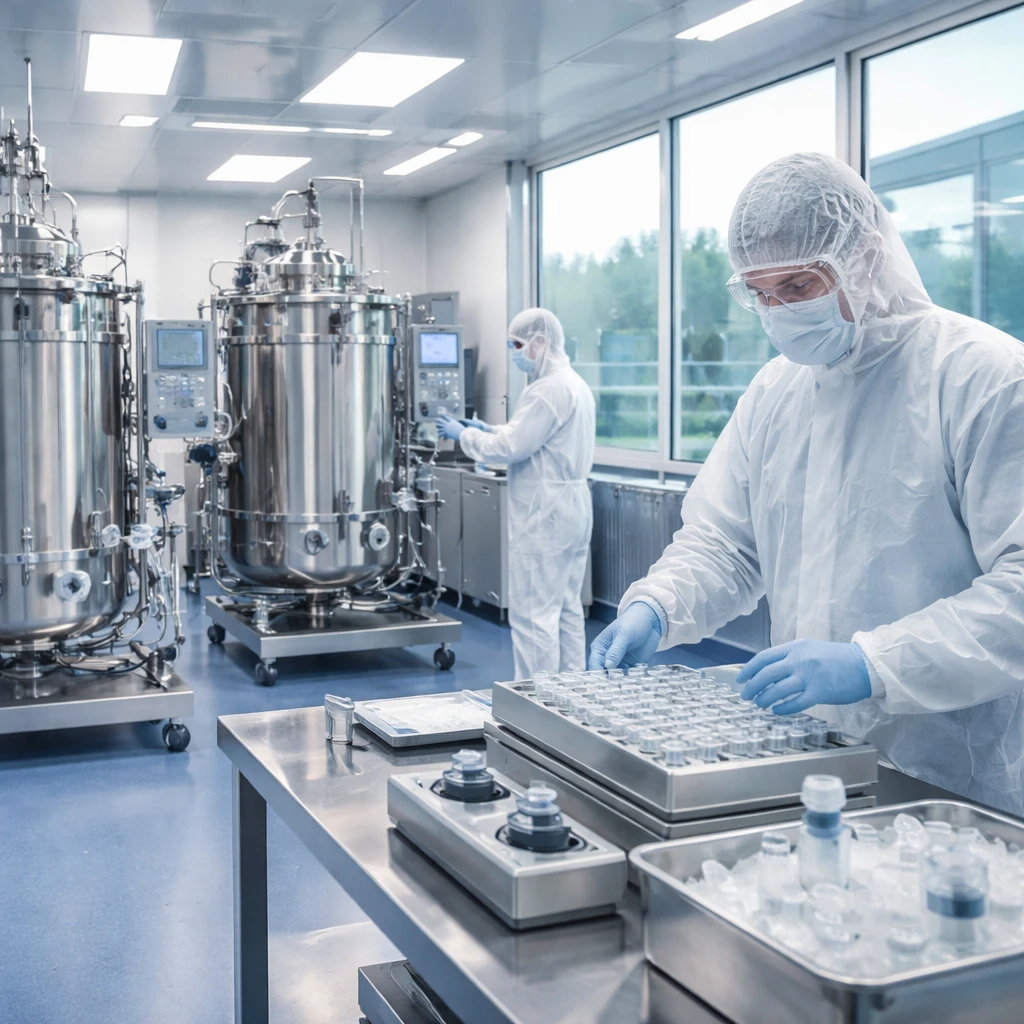
Ultragenyx noted that, contingent on approval, DTX401 would be manufactured at its gene therapy production facility located in Bedford, Massachusetts.
Contextual summary
- The FDA has granted Priority Review for the DTX401 BLA and established an action date of August 23, 2026.
- The regulatory filing is supported by a clinical dataset from 52 treated patients with up to six years of follow-up, including randomized Phase 3 GlucoGene results.
- Ultragenyx reports clinical and patient-reported benefits as well as an acceptable safety profile; manufacturing is planned at the company's Bedford, Massachusetts gene therapy facility if the product is approved.
This article presents the details provided by the company and the FDA's procedural milestone. It does not add or infer outcomes beyond those statements.