
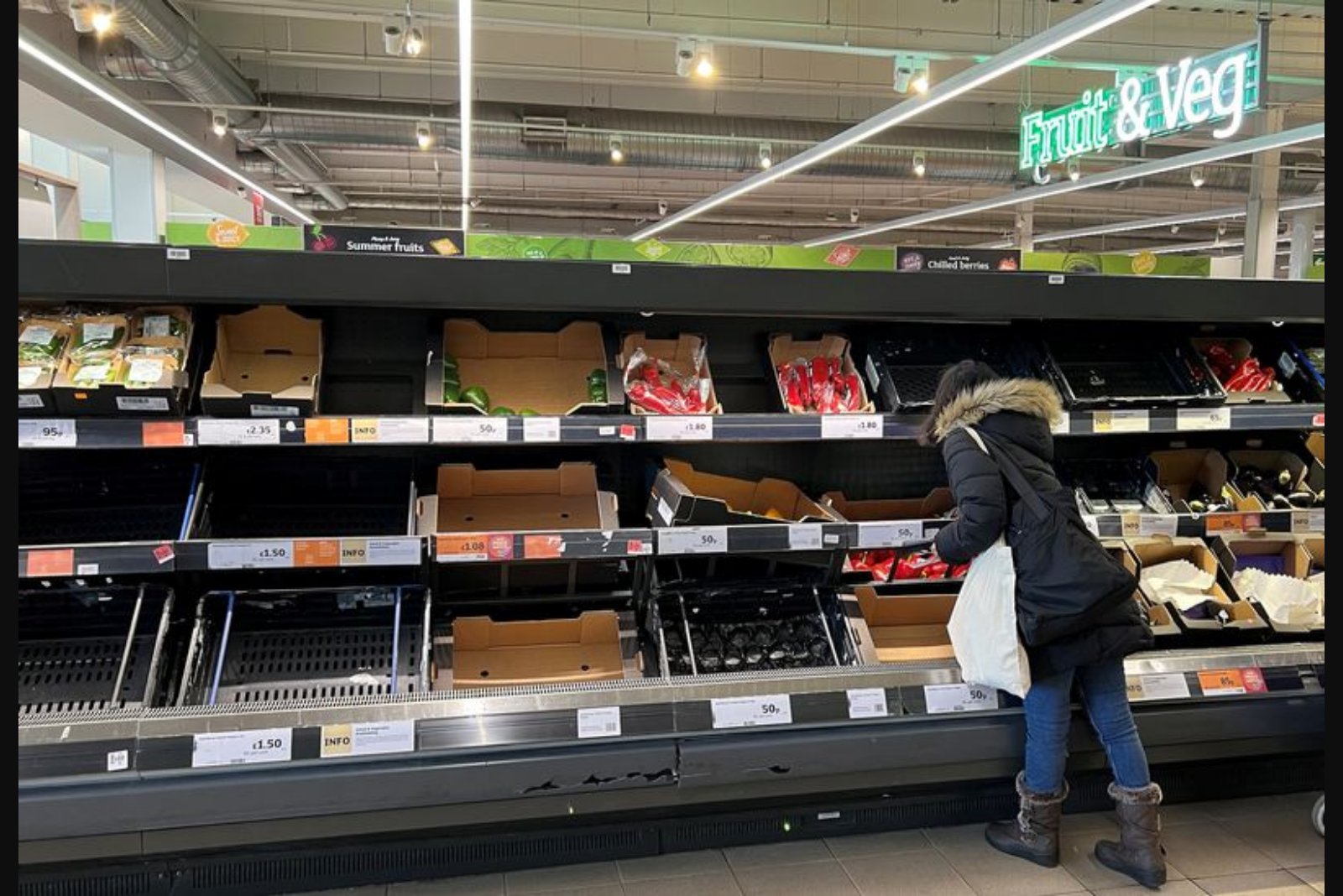
Grocery inflation in the UK climbed to 4.3% in the four weeks ending February 22, Worldpanel by Numerator reported, reversing a recent easing to a nine-month low of 4.0% in the prior report. The Worldpanel figure serves as an early signal on food price momentum ahead of the official UK inflation release scheduled for March 25.
Worldpanel said price increases are most pronounced in categories such as fresh unprocessed meat, skin care and chocolate confectionery. In contrast, the researcher found the fastest price declines in chilled butter and spreads, household paper and sugar confectionery.
The Bank of England monitors food price moves closely because they are considered an important influence on the public’s overall inflation expectations. Britain’s headline inflation rate had eased to 3% in January.
Separately, data from the British Retail Consortium released on the same day showed annual shop price inflation slowed to 1.1% in February, with food inflation easing to 3.5%.
Retail performance over the 12 weeks to February 22
Worldpanel also published market-share and sales growth information for the 12 weeks to February 22. The research noted that industry leader Tesco’s sales rose 4.5% year-on-year and its market share increased by 20 basis points to 28.7% in the period reported by Worldpanel. Number two Sainsbury’s recorded a 5.2% rise in sales, taking its market share to 16.1%.
Discounter Lidl GB remained the fastest-growing bricks-and-mortar retailer with sales up 10.0%, while online supermarket Ocado was the fastest-growing overall with sales up 15.1%. By contrast, Asda continued to struggle: its sales fell 2.6% year-on-year, leaving it with a market share of 11.5%, down 80 basis points on the year.
The Worldpanel data table for UK supermarkets over the 12 weeks to February 22 shows the following figures:
| Retailer | Market share Feb 22 | Market share Feb 23 | 12 weeks sales change (year-on-year) |
|---|---|---|---|
| Tesco | 28.5 | 28.3 | 4.5 |
| Sainsbury's | 16.1 | 15.8 | 5.2 |
| Asda | 11.5 | 12.3 | -2.6 |
| Aldi | 10.1 | 10.2 | 3.1 |
| Morrisons | 8.4 | 8.5 | 2.3 |
| Lidl | 7.8 | 7.3 | 10.0 |
| Co-operative | 5.0 | 5.3 | -1.6 |
| Waitrose | 4.8 | 4.7 | 5.6 |
| Iceland | 2.3 | 2.3 | 2.7 |
| Ocado | 2.1 | 1.9 | 15.1 |
Source: Worldpanel by Numerator
These figures indicate divergent trends within the grocery sector: while some retailers and channels are expanding sales and share, others face headwinds. The data also highlights that grocery price movements remain a key input watched by policymakers for their potential to influence inflation expectations.