
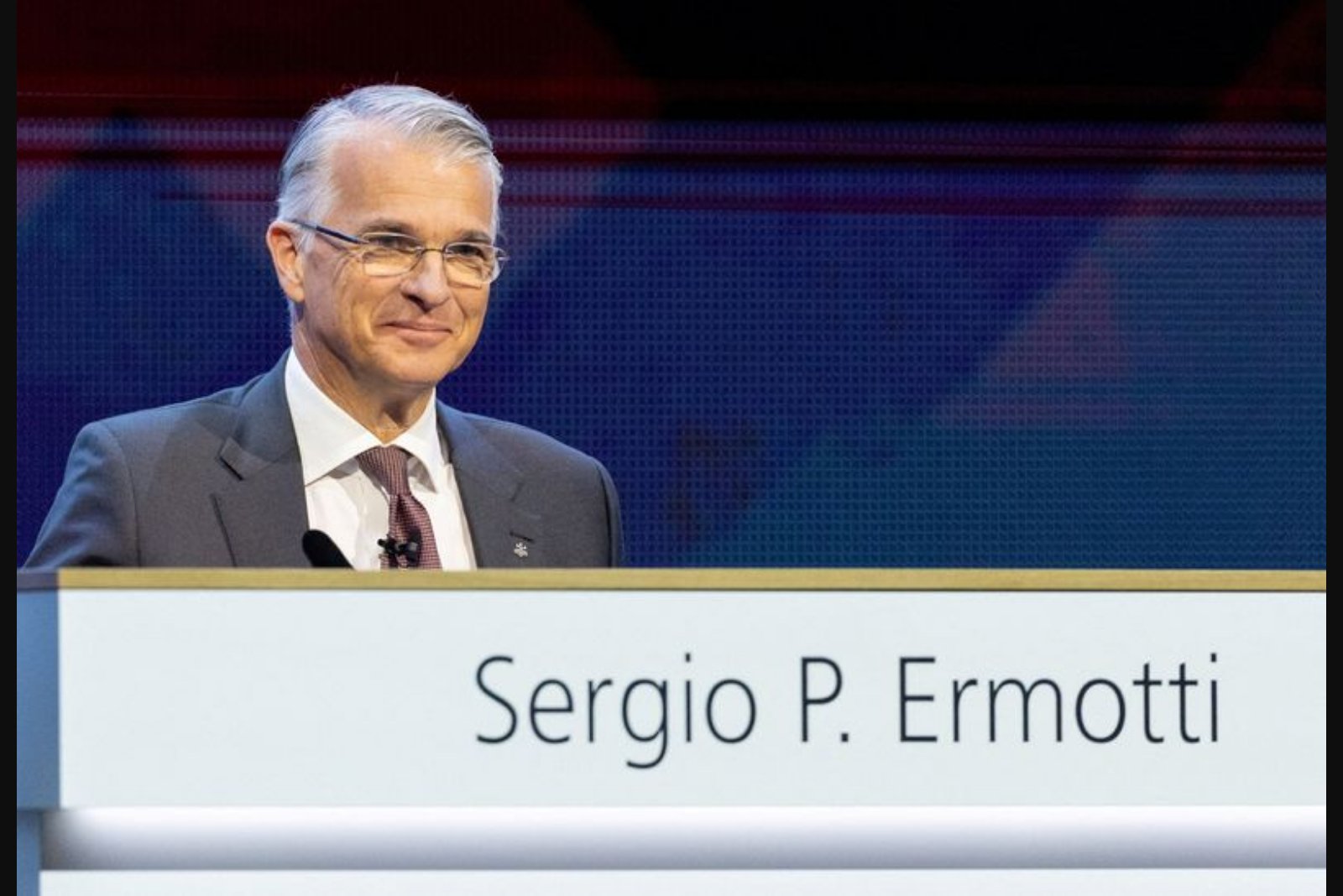
Sergio Ermotti, chief executive of UBS, cautioned on March 19 that the trust Switzerland earned after resolving the Credit Suisse crisis is being threatened by an overemphasis on risk-focused rhetoric in the subsequent regulatory debate. UBS acquired Credit Suisse in a state-engineered emergency takeover in March 2023, and this week completed the migration of all former Credit Suisse clients worldwide onto UBS platforms.
In an opinion piece published in the Swiss newspaper Aargauer Zeitung, Ermotti argued that long-term stability depends on "sound judgment, consistency, and international coordination - not measures that may provide short-term reassurance but ultimately undermine resilience and prosperity." He added: "What is needed now is a sense of proportion and self-reflection, not fearmongering."
Ermotti's comments arrive ahead of what the article described as a regulatory showdown over capital rules for Switzerland's remaining big bank. The Swiss government is expected to publish its proposed banking regulation before the end of April, placing the issue squarely on the policy agenda in the coming weeks.
Specifically, Ermotti defended the role and validity of loss-absorbing instruments such as Additional Tier 1, or AT1, capital. The piece notes that AT1 securities are set to be central in the parliamentary debate. According to Ermotti, these instruments remain internationally accepted as regulatory capital and were instrumental in the stabilisation and restructuring of Credit Suisse.
He also observed that other countries are reviewing their regulatory frameworks to ensure that rules are "targeted, proportionate, and economically justified." The article referenced recent reporting that the European Union plans to neutralise the impact on banks' capital requirements of a global banking reform package devised after the global financial crisis.
Ermotti's intervention frames the immediate regulatory discussion as one that should balance short-term confidence-building measures with longer-term resilience and economic consequences. The piece highlights the tension between swift political responses to bank failures and the need for consistent, internationally coordinated regulatory design.
Summary: UBS's chief executive warned against alarmist rhetoric in the policy debate following UBS's emergency takeover of Credit Suisse and defended AT1 instruments as accepted regulatory capital, urging proportionate, coordinated rules ahead of Swiss government proposals due before the end of April.