
Stock Markets March 11, 2026

Uber to Test Robotaxis in Tokyo in Partnership with Wayve and Nissan

Pilot to use Nissan LEAF with Wayve autonomous tech on Uber network, targeted for late-2026 with onboard safety operators

By Nina Shah UBER TSLA
Uber to Test Robotaxis in Tokyo in Partnership with Wayve and Nissan
UBER TSLA

Uber announced a joint effort with British autonomous driving company Wayve and Japanese automaker Nissan to begin robotaxi operations in Japan, targeting a pilot in Tokyo by late-2026. Vehicles will be Nissan LEAF EVs fitted with Wayve's autonomy software and will operate on the Uber platform with a safety operator on board. Uber plans to launch the service through a licensed taxi partner and coordinate with local authorities as part of a broader global rollout with Wayve.

Key Points

  • Uber, Wayve and Nissan plan a pilot robotaxi deployment in Tokyo targeted for late-2026 using Nissan LEAF EVs with Wayve autonomy.
  • Vehicles will run on the Uber platform with a safety operator onboard and will be introduced through a licensed taxi partner in coordination with local authorities.
  • The Japan pilot is part of a broader Uber-Wayve initiative to roll out robotaxis across ten major cities; Uber also has deals with Waymo, Weride and Apollo Go.

Uber Technologies Inc said it plans to introduce robotaxi services in Japan by late-2026 through a three-way arrangement with British autonomous driving specialist Wayve and Japanese carmaker Nissan.

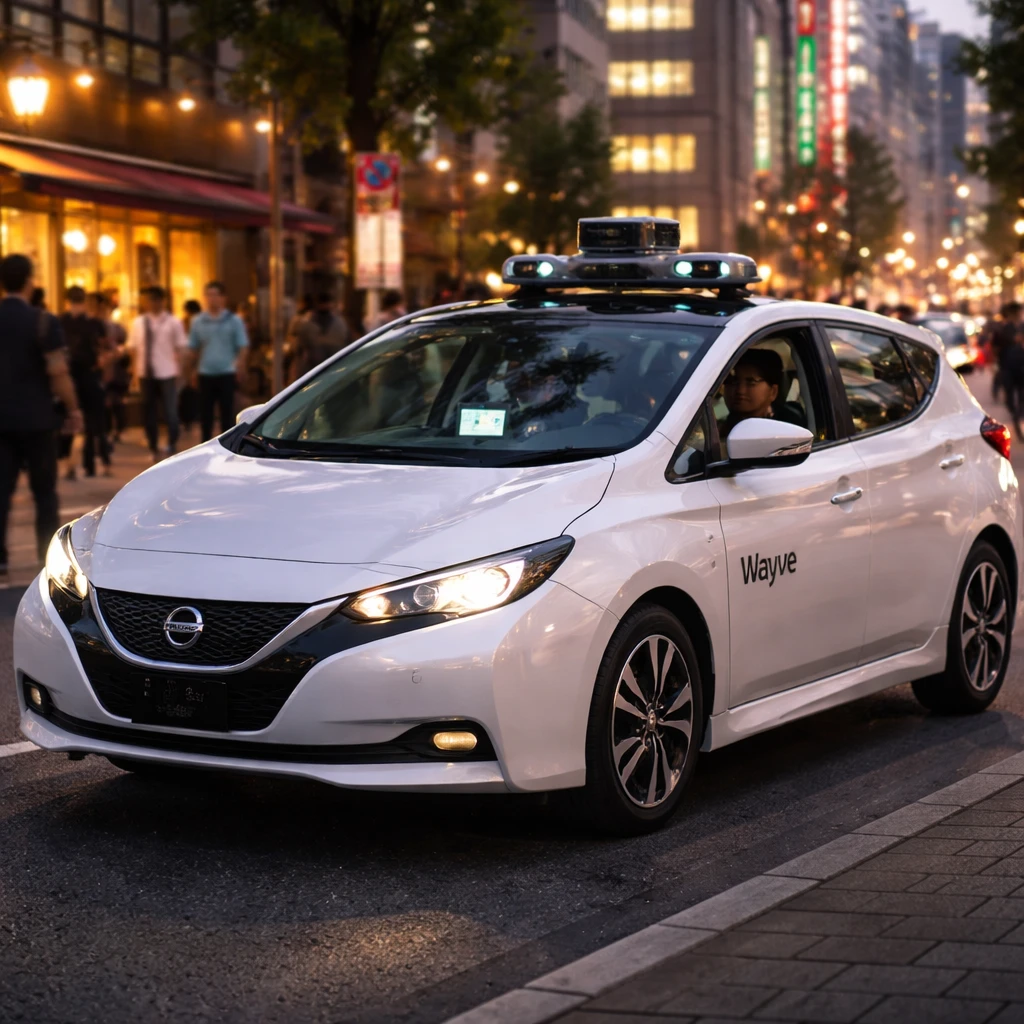
Under the arrangement, Wayve will provide the artificial intelligence and autonomy stack while Nissan will supply the vehicle platform. The partners said they intend to run a pilot deployment in Tokyo toward the end of 2026, using Nissan's LEAF electric vehicle fitted with Wayve's autonomous driving technology.

The vehicles used in the pilot will be connected to the Uber network, and companies involved confirmed that each vehicle will carry a safety operator inside during operations. Uber also said it will introduce the service in Japan through a licensed taxi partner and will coordinate implementation with local authorities.

Officials described the agreement as part of a broader Uber-Wayve collaboration aimed at rolling out robotaxi services across ten major cities globally. Uber's expansion into autonomous taxis follows previous partnerships the ride-hailing company has formed with other robotaxi operators, including Waymo, Weride and Apollo Go.

Interest in robotaxis has grown recently, the companies noted, citing wider industry attention over the past year. The technology has attracted increased focus from several electric vehicle and autonomous-driving competitors, though rollout has remained limited worldwide amid ongoing regulatory concerns related to safety.

Operational details and rollout approach

  • The pilot will use Nissan LEAF electric vehicles integrated with Wayve's autonomous driving technology.
  • Vehicles will operate on Uber's network and include a safety operator in the car during the pilot phase.
  • Uber will engage a licensed taxi partner in Japan and work with local authorities to deploy the service.

Context within Uber's robotaxi strategy

The Japan pilot is presented as a piece of a larger strategy between Uber and Wayve to establish robotaxi operations across ten major global cities. Uber has already entered agreements with multiple robotaxi firms as it moves to integrate autonomous vehicles into its platform.


Note: The report reflects the companies' stated plans and timelines as announced. It does not add additional projections or outcomes beyond those described by the firms.

Risks

  • Regulatory uncertainty and safety concerns that have limited the global rollout of robotaxis may affect the timing and scope of the Tokyo pilot - impacts mobility and automotive sectors.
  • Operational dependence on a licensed taxi partner and cooperation with local authorities introduces execution risk in launching the service - affects ride-hailing and local transport markets.
  • Broader industry interest does not guarantee rapid deployment; technological and regulatory hurdles could slow expansion beyond the pilot phase - impacts technology and electric vehicle suppliers.

More from Stock Markets

Asia Markets Retreat as Crude Nears $100 After Tanker Attacks Mar 11, 2026 Anthropic in Advanced Talks with Blackstone and PE Firms to Form AI Consulting Venture Mar 11, 2026 Bank of Singapore Lowers Stance on Asia ex-Japan Stocks, Citing Elevated Iran War Energy Risks Mar 11, 2026 Surprise Pokemon Hit Lifts Sentiment Around Switch 2 Adoption Mar 11, 2026 Markets Retreat as Gulf Shipping Attacks Send Oil Prices Soaring Mar 11, 2026