
Stock Markets March 3, 2026

Turkey Seeks U.S. Reprieve on CAATSA Sanctions Ahead of Midterms as Israel Pushes Back

Ankara says diplomatic steps are underway to remove penalties tied to its S-400 purchase, but Israeli opposition and regional conflict complicate prospects

By Marcus Reed
Turkey Seeks U.S. Reprieve on CAATSA Sanctions Ahead of Midterms as Israel Pushes Back

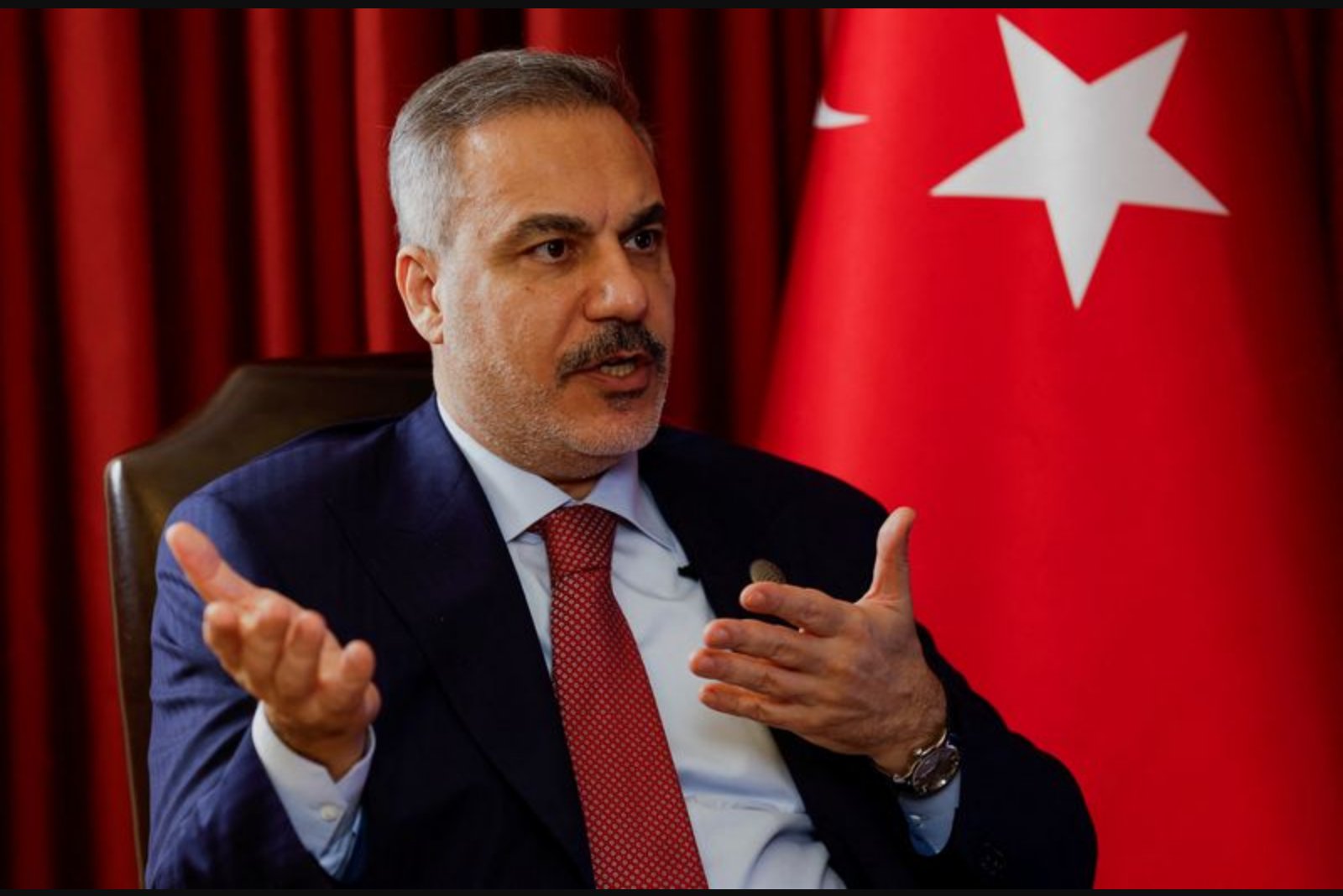
Turkish Foreign Minister Hakan Fidan said Ankara and Washington are working to reverse CAATSA sanctions imposed in 2020 over Turkey's acquisition of Russian S-400 systems, with the aim of resolving the issue before the U.S. midterm elections. Fidan noted Israeli resistance to lifting the measures and reaffirmed Turkey's desire to regain access to the F-35 fighter jet programme. He also commented on strained regional dynamics as the United States and Israel are at war with Iran and Ankara condemns the offensive.

Key Points

  • Turkish foreign minister says negotiations with the U.S. are underway to lift CAATSA sanctions imposed in 2020 over Turkey's S-400 purchase; efforts aim for a resolution before the U.S. midterm elections in November - sectors affected include defence and aerospace.
  • Ankara remains removed from the F-35 programme and seeks a workaround to allow purchase of the jets; this primarily impacts the aerospace and defence procurement environment.
  • Israeli opposition to easing sanctions and the ongoing conflict involving the United States, Israel and Iran create diplomatic headwinds that could influence the timing and feasibility of any U.S. policy change - relevant to regional geopolitics and defence markets.

ANKARA, March 3 - Turkish Foreign Minister Hakan Fidan said on Tuesday that talks with the United States are ongoing to secure the removal of CAATSA sanctions imposed on Turkey, with the goal of achieving a result before the U.S. midterm elections in November. He warned, however, that Israel opposes the potential easing of restrictions.

Fidan reiterated that the CAATSA measures stem from Turkey's 2020 purchase of Russian S-400 air defence systems. Those sanctions were accompanied by Ankara's removal from the F-35 fighter jet programme, a step Turkey has described as unjust and illegal. Turkish and U.S. officials, according to Fidan, are pursuing a workaround that could lift the sanctions and pave the way for Turkey to acquire F-35 aircraft.

Despite those ongoing efforts, progress has been limited. Fidan noted that even with reportedly good ties between U.S. President Donald Trump and Turkish President Tayyip Erdogan - a factor that some in Turkey believe might facilitate a solution - tangible advances have been scarce so far. Nevertheless, he said the political groundwork has been laid and that he expects developments to unfold ahead of November.

Speaking at a Ramadan fast-breaking dinner with members of the Turkish media, Fidan addressed questions about Israel's stance. Turkey has been sharply critical of Israel over its assault on Gaza, and Fidan said Israel does not want certain regional states to gain particular capabilities. He was quoted as saying: "That is the mode they are in now. Let’s see, these battles will continue. Everyone will play the cards in their hands somehow."

Fidan added: "Work is underway to obtain a result on CAATSA before the midterms. We have taken the political steps. We’ll see."

The foreign minister's remarks come against the backdrop of intense regional conflict. The United States and Israel are at war with Iran, Turkey's neighbour, and Ankara has condemned the U.S. and Israeli offensive against Tehran, underscoring a fraught diplomatic environment as talks over sanctions continue.


Context and implications

The immediate diplomatic aim described by Fidan is to secure U.S. action to remove sanctions enacted in 2020 and to reopen a path for Turkey to rejoin the F-35 programme or otherwise obtain the jets. However, Israeli resistance and the broader regional confrontation involving the United States, Israel and Iran complicate the timeline and prospects for a resolution.

Risks

  • Israeli resistance to lifting CAATSA sanctions - this political obstacle could delay or block reinstatement of Turkey's access to F-35 procurement, affecting aerospace and defence suppliers.
  • Escalating regional hostilities involving the United States, Israel and Iran - the conflict increases diplomatic uncertainty and could complicate negotiations between Ankara and Washington, with implications for defence and geopolitical risk-sensitive markets.
  • Limited progress to date despite interpersonal ties between leaders - the lack of substantive movement so far suggests that political will alone may not overcome structural or allied objections, posing uncertainty for timelines on sanction relief and defence reintegration.

More from Stock Markets

Bank of Ireland Unveils €530m Share Buyback as Government Moves to Reappoint Central Bank Governor Mar 3, 2026 Hormuz Closure Enters Fourth Day as Tankers Reportedly Struck Mar 3, 2026 Viper Energy Stock Drops After $798M Secondary Share Sale by Parent and Affiliates Mar 3, 2026 Target Raises 2026 Sales Outlook; Shares Jump in Premarket Mar 3, 2026 Infosys and Intel Broaden Collaboration to Move AI From Pilot to Production Mar 3, 2026