
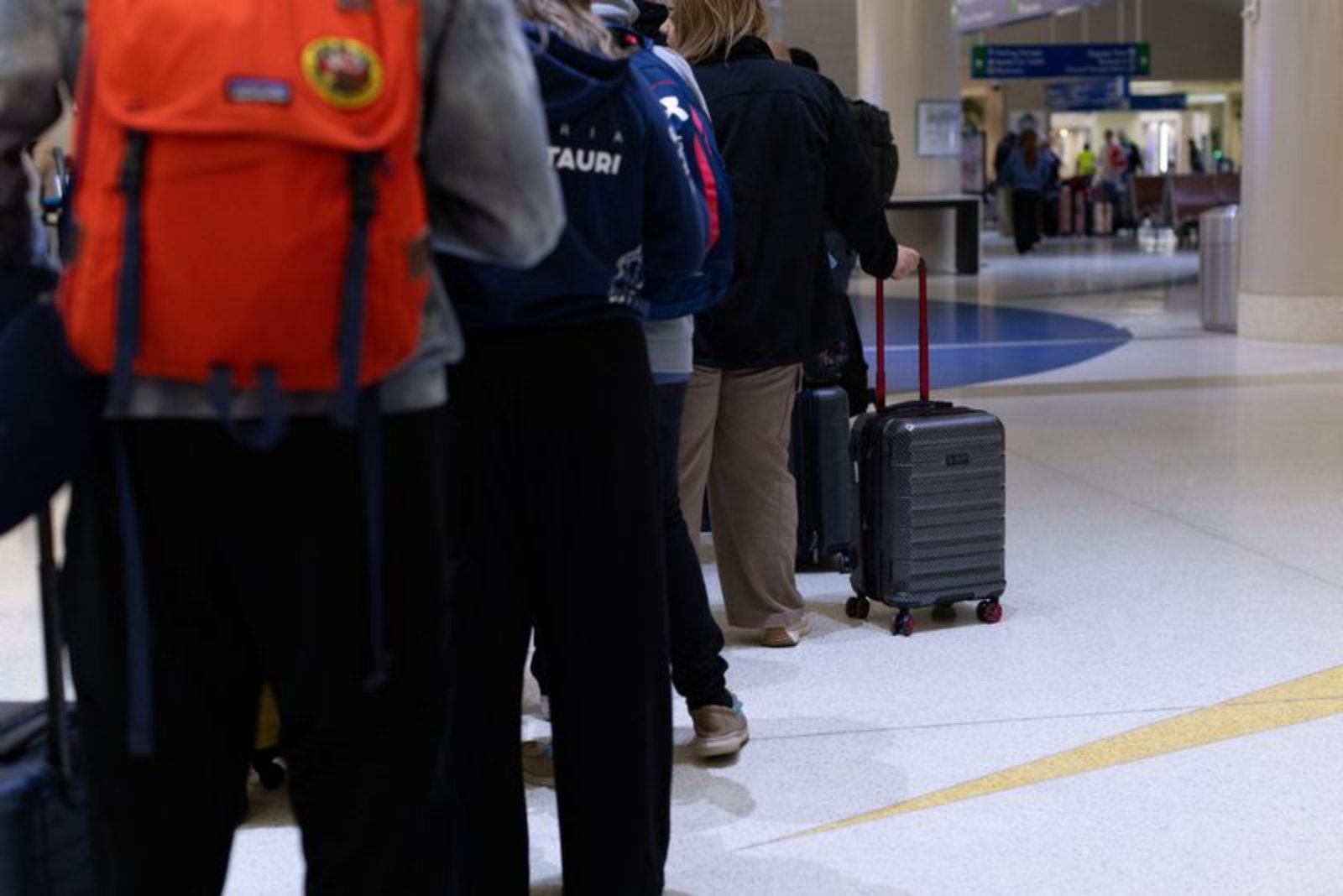
The Department of Homeland Security (DHS) said that just over 10% of Transportation Security Administration (TSA) airport security officers failed to report for work on Sunday, as a partial federal government shutdown reached its 30th day. The extended lapse in funding has left about 50,000 TSA screeners working without pay and has created operational strains at airports across the country during a busy travel window.
DHS noted that under normal circumstances fewer than 2% of TSA employees call in sick or otherwise do not show up for duty. Since funding expired on February 14, however, absence rates at several major airports have been markedly higher. The agency reported that Atlanta, New York JFK and Houston have experienced nonattendance rates near 20% since the funding lapse.
The department also said that 366 TSA officers have left their posts during the shutdown. On Sunday and Monday, absences surged in some markets - rising by more than 50% in Houston and by more than 30% in New Orleans and Atlanta - and travelers at times have faced security lines of two hours or longer.
Airline industry leaders publicly pressed Congress to move quickly to resolve the impasse. The chief executives of American Airlines, United Airlines, Delta Air Lines, Southwest Airlines, JetBlue Airways, Alaska Air and other carriers wrote that "Too many travelers are having to wait in extraordinarily long - and painfully slow - lines at checkpoints." The group expressed the need for a rapid end to the shutdown as spring break travel is under way.
White House officials held a call on Monday with travel industry representatives, including Airlines for America CEO Chris Sununu, as part of efforts to press for an end to the funding standoff, government officials said. The industry group declined to comment.
The current partial shutdown follows another funding lapse last fall that lasted 43 days and resulted in widespread flight disruptions; during that episode the Federal Aviation Administration ordered a 10% reduction in flights at major airports. Senators from both parties recently failed in competing attempts to fund the TSA, leaving DHS funding to lapse on February 13 after Congress could not reach agreement on immigration enforcement reforms sought by Democrats.
Airlines are preparing for a heavy spring travel period, with an expected 171 million passengers projected to fly during the two-month span - a 4% increase from the same period a year earlier. Some airports have closed certain security checkpoints, while other airports and local groups have worked to raise funds to help TSA workers purchase essentials such as food while they are not receiving pay.
The budget impasse continues to affect airport operations, staffing levels and passenger experience, with no immediate resolution reported. Questions about worker retention, sustained absence rates and the knock-on effects for carriers and airports remain central as travel demand rises.