
Stocks moved higher for a short period Wednesday after President Trump told Axios that there is "practically nothing left" to target in Iran, comments that implied the military campaign may be approaching its conclusion.
In a brief phone interview, the president said he expected the conflict to end "soon" and that he could stop the operations "any time" he wanted. He characterized the mission as "way ahead of the timetable" and added that it had dealt more damage than initially expected.
Those remarks came even as U.S. and Israeli officials, speaking privately, told reporters that further strikes in Iran are expected to continue for at least another two weeks. Israeli Defense Minister Israel Katz was quoted as saying the war will proceed "without any time limit, for as long as necessary."
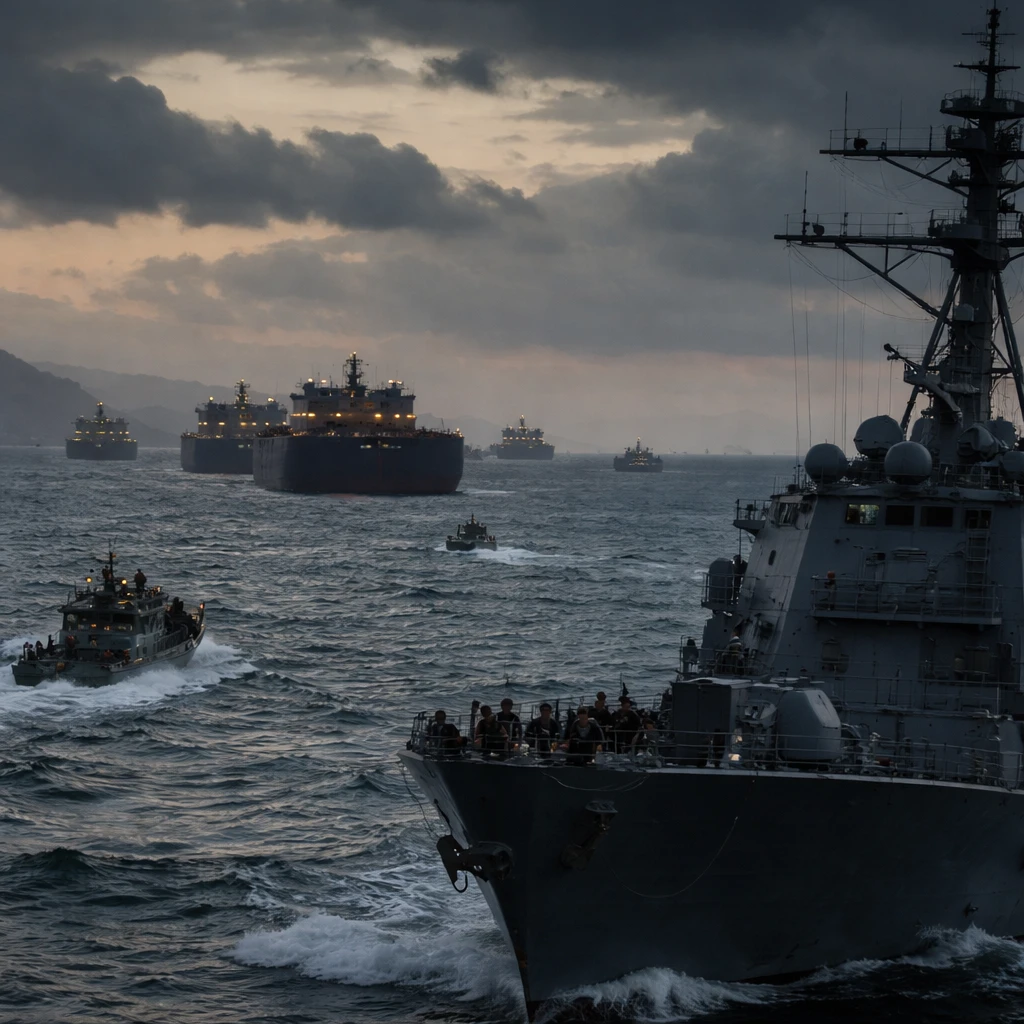
Separately, intelligence received on Tuesday suggested Iran had begun placing mines in the Strait of Hormuz, a narrow waterway critical to global oil movements. President Trump confirmed that U.S. strikes removed 16 mine-laying boats and disrupted those plans, though other officials noted that the number of mines actually deployed appears to be very small.
When discussing the operation, the president framed the military response as retribution for what he described as 47 years of death and destruction attributable to Iran.
Summary
The president's comments to Axios that "practically nothing left" remains to be struck in Iran coincided with a brief uptick in the S&P 500. At the same time, officials signaled additional strikes could continue for weeks, and intelligence prompted U.S. action against mine-laying activity in the Strait of Hormuz.
Key points
- The president said the campaign is "way ahead of the timetable" and can end "any time," while also stating it will end "soon".
- U.S. and Israeli officials expect strikes to continue for at least two more weeks; Israel's defense minister said operations will continue "for as long as necessary."
- Intelligence indicated Iran may have started laying mines in the Strait of Hormuz; U.S. strikes destroyed 16 mine-laying boats and officials described the number of mines found as very small.
Risks and uncertainties
- Continuation of military strikes - could sustain volatility for markets sensitive to geopolitical risk, including energy and shipping sectors.
- Mine-laying activity in the Strait of Hormuz - poses potential disruption to global oil flows and commercial maritime traffic, with direct implications for the energy sector and logistics.
- Ambiguity over timeline - conflicting signals between the president's expectation that the campaign could end soon and official statements anticipating further strikes create uncertainty for investors and industries tied to regional stability.
These developments combine statements from the White House, private assessments by U.S. and Israeli officials, and intelligence findings about maritime mine-laying. The market response noted at the outset was short-lived, and officials continue to signal that operations could persist despite the president's remarks about diminishing targets.