
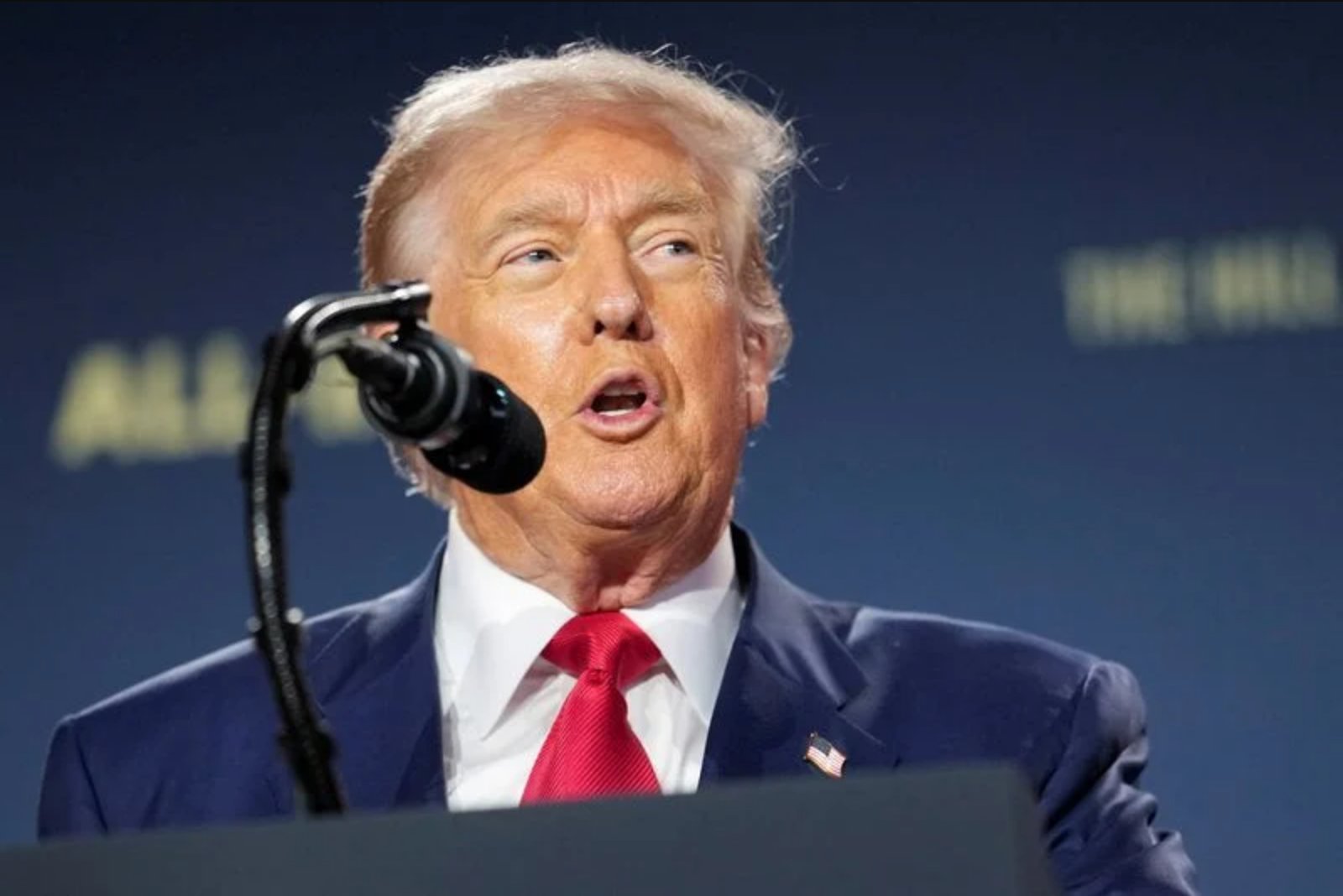
On Wednesday, U.S. President Donald Trump said he plans to meet soon with senior executives from the nation’s biggest artificial intelligence companies to discuss "giving back something to the public," a phrase that appears to reference the possibility of the government taking financial stakes in those firms.
"I’m going to have meetings with the top 12 or 15 executives very shortly, and we’re talking about giving back something to the public, and if we do that, the public will become very rich," he told reporters in the White House's Oval Office. "I think they’ll do that, and I think it’ll make it very popular."
Momentum in Washington is increasing for exploring a financial partnership between the federal government and the AI industry at a time when major AI developers are preparing to access public capital markets. OpenAI and Anthropic are among the companies lining up for large initial public offerings, and OpenAI has been reported as targeting a potential valuation of up to $1 trillion.
An agreement that would give the U.S. government equity stakes in AI companies could have a substantial effect on federal finances, according to the account of the discussions. The notion of government ownership or shared financial benefit is being discussed alongside the industry moves toward public listings.
Public sentiment about AI also figured in the discussion. A Reuters/Ipsos poll completed on Monday showed that half of Americans fear the rise of AI could put them or someone in their household out of work, underscoring concerns about the technology's impact on daily life and employment.
The remarks included ticker references that appear alongside coverage of the firms preparing to list, including OAI and ANTP. The president's comments and the policy conversation in Washington come as the industry and the public weigh both the economic upside of rapid AI development and the potential social and fiscal consequences of broader deployment.
Context note: The president framed the talks as imminent and suggested he expects cooperation from industry executives, while observers note the potential for sizable effects on government finances should a financial partnership or equity arrangement materialize.