
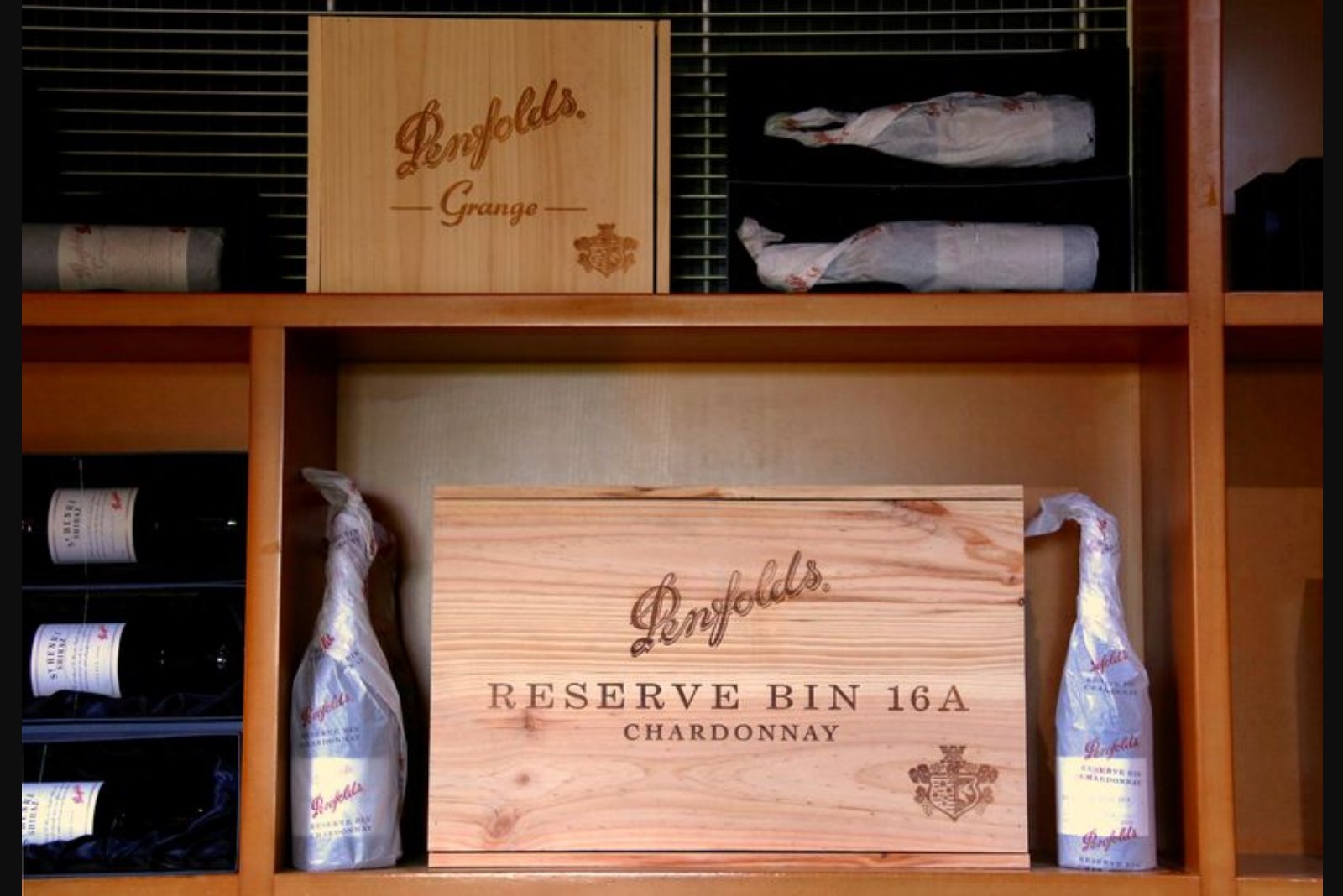
Feb 16 - Treasury Wine Estates reported a marked drop in profitability for the first half of its fiscal year and has suspended payment of its fiscal 2026 interim dividend as a temporary measure to preserve capital. The company said the weaker performance reflects a market reset in its two largest regions after shipments in 2025 ran ahead of underlying demand, producing elevated distributor inventories in China and the U.S. that management is seeking to reduce.
For the six months ended December 31, Treasury Wine posted net profit after tax before material items and SGARA of A$128.5 million, a 46.3% decline from A$239.6 million in the same period a year earlier. That outcome was a touch above the Visible Alpha consensus forecast of A$127.8 million.
Management cited inventory imbalances as a central factor behind the results. The company said shipments in 2025 exceeded the pace of actual consumer demand across its two biggest markets, leaving distributors carrying larger stockpiles. Management has begun working to unwind those elevated inventories, a process it described as a priority in concert with its decision to conserve cash via the interim dividend suspension.
The firm also faced a distribution disruption in the United States when one of its U.S. distributors ceased operations in California. That closure forced Treasury Wine to search for replacement distribution partners and contributed to a sharp fall in sales in the Americas region. Treasury Americas reported first-half net sales revenue of A$283 million, down 28.4% from the prior year.
The company reiterated its focus on capital preservation while addressing the inventory and distribution challenges. Treasury Wine also disclosed the currency reference used in reporting, noting that $1 = 1.4144 Australian dollars.
Context and implications
The combination of shipment timing that outpaced demand and the operational effect of a distributor shutdown in California has produced both a revenue and earnings hit in the first half. Management's suspension of the interim dividend is presented as a temporary, precautionary step to conserve funds while it reduces distributor inventory levels and secures new distribution arrangements where needed.
This performance highlights the sensitivity of branded consumer goods companies to channel inventory dynamics and distributor stability. Treasury Wine's results underscore how shipment cadence and partner disruptions can flow through to unit economics, revenue recognition, and near-term cash allocation decisions.