
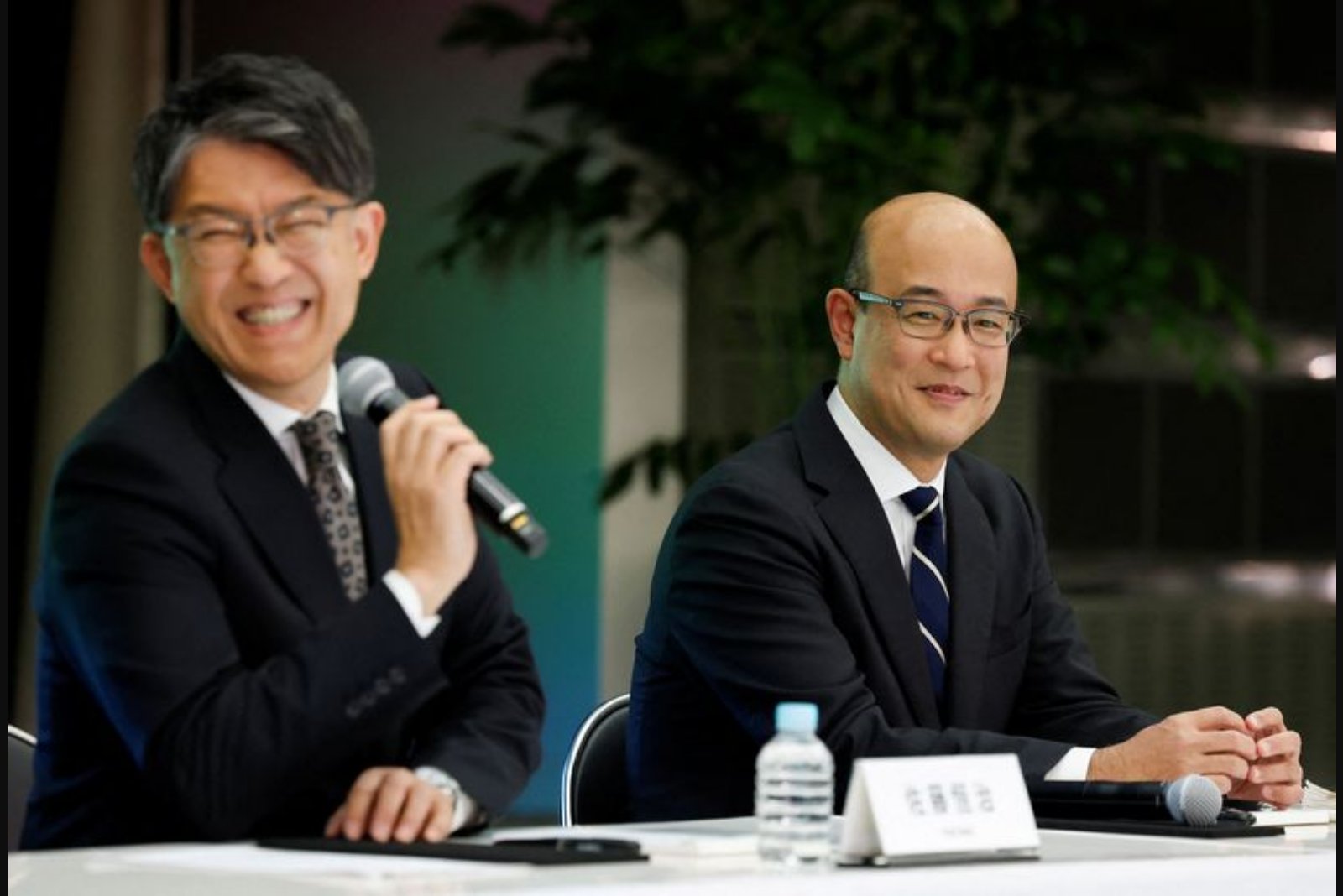
When Koji Sato was elevated to chief executive in 2023, he was widely viewed as the engineer-leader who could accelerate Toyota's push into electric vehicles and sustain the automaker's market momentum. After securing record sales and profit under his watch, Sato will step down as CEO after three years, taking on the role of vice chairman and chief industry officer from April as Chief Financial Officer Kenta Kon is promoted to CEO.
The management change, announced this month, underscores a shifting set of boardroom priorities rather than a lack of performance. Multiple people familiar with the situation described Sato as a capable and sharp leader from the perspective of suppliers and investors. Yet the transition will leave Sato with one of the shortest tenures in Toyota chief executive history.
Sources close to the company said Sato had been absent from several high-profile events that were attended by Akio Toyoda, the company chairman and grandson of Toyota's founder. That absence contributed to speculation among executives about Sato's future. Two of those sources indicated they saw no sign of a personal falling-out between Sato and Toyoda. The individuals requested anonymity given the sensitivity of the matter.
Those same people described the leadership switch as reflective of Toyoda's judgment that his chosen successor may no longer be the best fit amid intensifying cost headwinds. The boardroom assessment, according to the sources, prioritized addressing escalating costs while preserving capacity for the heavy investments required in technology.
Toyota has offered a different public account. In a statement to Reuters, the company said Toyoda was not a member of the committee that determines executive appointments and that he was not involved in the decision-making for this change. Toyota said its succession discussions had been under way since last year and became more concrete after Sato's appointment as chairman of Japan's auto lobby was finalised in late 2025. Following discussion with that group, Sato opted to step down and the proposal was forwarded to the board.
Toyota emphasized that Sato contributed to strengthening the firm's financial position and that his new responsibilities will focus on tackling industry-wide issues. The company also noted Kon's comments at the same press conference, where he urged vigilance to withstand even the most challenging external conditions. As CFO, Kon had led efforts aimed at improving the automaker's earnings, Toyota said.
The timing of the management change coincides with growing attention inside Toyota on rising costs, which the people familiar with the matter said have been driven in part by U.S. tariffs. The company has also taken on the burden of absorbing higher costs faced by some of its suppliers, adding another dimension to its margin pressures. Toyota has indicated it expects to spend 360 billion yen in the current financial year to assist suppliers. The business characterised that outlay not simply as a cost but as an investment intended to bolster competitiveness.
Executives at Toyota are balancing two competing demands. On the one hand, the company must find ways to lower its break-even point - the volume of vehicle sales required to cover costs - which sources said has been a frequent topic of internal discussion over the past year. On the other hand, it faces the need to invest substantially in software development and other technology areas where some executives fear Toyota is lagging behind rivals.
Those strategic forces help explain why Kon was chosen to lead the company. Kon served as Toyoda's secretary for eight years and has been closely involved in the firms financial strategy. He is also associated with a planned buyout of forklift maker Toyota Industries that would increase the Toyoda family's control over that supplier. That transaction has drawn criticism from minority investors, who say it lacks transparency and is significantly underpriced.
Across the auto industry, recent policy shifts and tariffs have imposed billions of dollars in additional expenses. Toyota has absorbed some of those costs itself, and in recent periods the company placed renewed focus on trimming costs through traditional improvement methodologies. The firm retains a long-standing emphasis on continuous improvement principles designed to eliminate waste in production and operations.
Toyota's recent financial moves demonstrate the company's attempt to reconcile these competing pressures. The automaker raised its full-year profit outlook by 12% this month, attributing part of the improvement to cost-cutting measures. Observers noted that Toyota's sustained focus on gasoline-electric hybrid vehicles has, to date, produced stronger results relative to several rivals that leaned more heavily into battery-electric vehicles.
Within Toyota's corporate structure, Kon also serves as chief financial officer of Woven by Toyota, the company's technology arm, where Daisuke Toyoda, son of Akio Toyoda, is a senior vice president. Toyota has signalled that it will continue to invest in technology while simultaneously pursuing initiatives aimed at reducing the break-even volume and protecting suppliers through targeted spending.
For Koji Sato, the new role as vice chairman and chief industry officer positions him to concentrate on broader challenges facing the auto sector while ceding day-to-day operational leadership to Kon. The company frames Sato's move as a redeployment of talent to address industry-wide risks and opportunities rather than a demotion prompted by performance issues.
Even with the leadership transition, questions remain for stakeholders about how Toyota will reconcile the trade-offs between lowering costs and increasing technology investment. The company will be watched closely for signals on where it intends to prioritize capital allocation, supplier support, and software development initiatives as the new CEO assumes his role.
Summary
- Koji Sato, appointed CEO in 2023, will become vice chairman and chief industry officer in April after delivering record sales and profit.
- Chief Financial Officer Kenta Kon will become CEO; Toyota says the decision came from a succession group and that Akio Toyoda was not involved.
- Management is responding to mounting cost pressures, supplier support commitments, and the need to invest in technology while targeting a lower break-even point.
Key points
- Sato's short tenure as CEO followed strong financial results but coincided with internal debates about cost management and strategic fit - sectors impacted include automotive manufacturing and supplier networks.
- Kon's elevation signals an increased emphasis on financial discipline and earnings improvement, affecting capital allocation decisions across automotive operations and technology investment.
- Toyota's commitment to supporting suppliers with significant spending aims to stabilize the supply chain but increases near-term cash outflows and working-capital demands for the company and its suppliers.
Risks and uncertainties
- Cost pressures related to tariffs and Toyota's decision to absorb supplier expenses could compress margins unless offset by productivity gains - this risk affects automotive margins and supplier financial health.
- Investments required for software development and other technology areas may compete with cost-cutting priorities, creating uncertainty about the pace and scale of technological upgrades - impacting R&D and tech spend in the auto sector.
- The planned buyout of Toyota Industries has drawn opposition from minority investors who cite concerns about transparency and pricing, introducing governance and reputational risk tied to supplier relationships.