
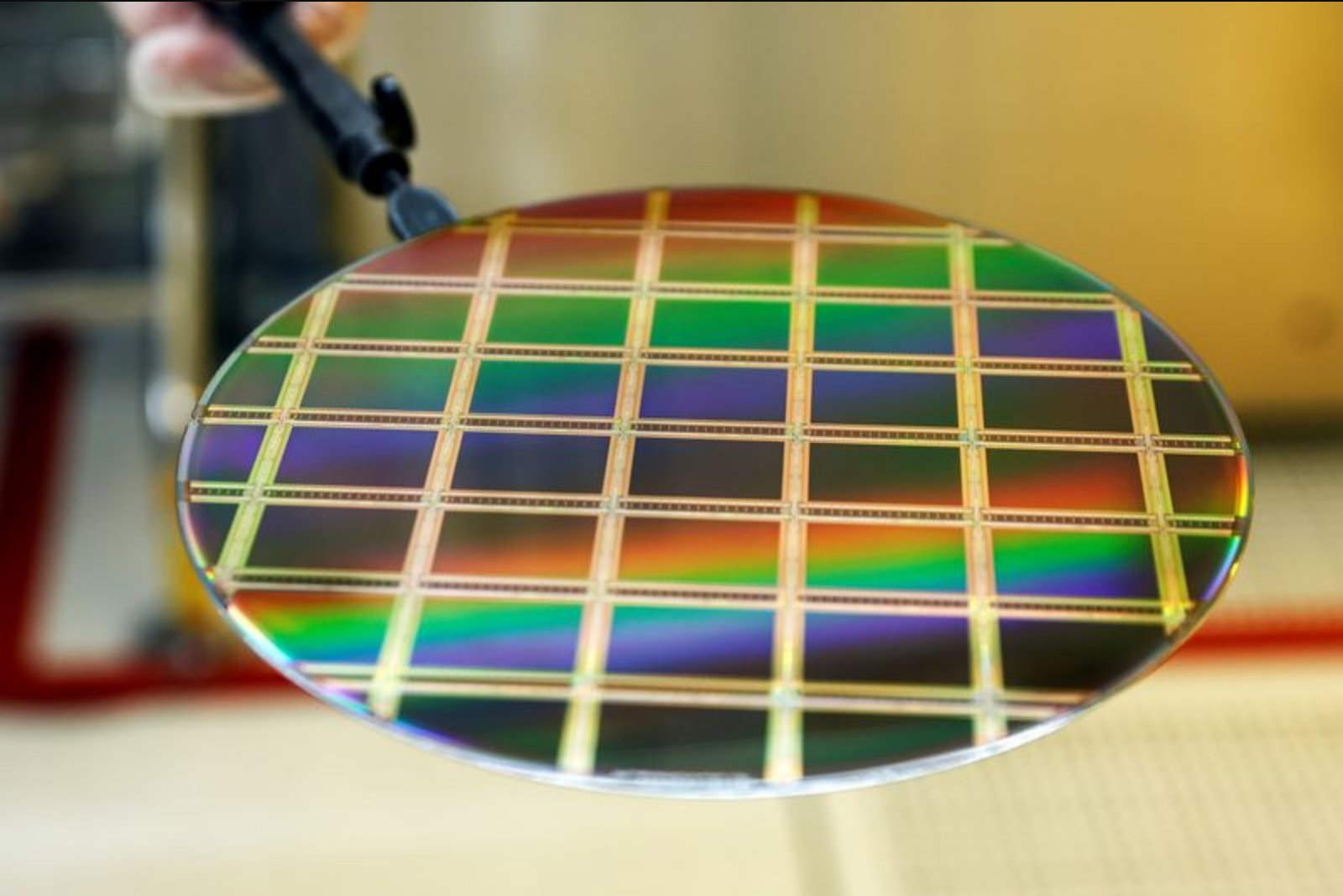
Tower Semiconductor reported adjusted earnings that beat analyst forecasts for the fourth quarter, buoyed by demand for chips that enable fast data transmission in artificial intelligence infrastructure. U.S.-listed shares of the Israeli contract chipmaker rose about 5% in premarket trading after the results were released.
The company highlighted strong demand for its silicon photonics technology, which moves data at high speeds using light. That capability has positioned Tower as a key supplier to data center operators who are expanding infrastructure to handle complex AI workloads.
On Wednesday Tower said it will make an additional $270 million investment in equipment for silicon photonics chips. That incremental commitment brings total spending on the high-speed technology to $920 million.
Management outlined an aggressive production ramp: Tower aims to produce more than five times as many of these chips each month by the end of 2026 as it shipped in late 2025, CEO Russell Ellwanger said, and customers have already agreed to purchase that increased volume.
Quarterly results and guidance
For the fourth quarter the company reported revenue of $440.2 million, compared with estimates of $439.8 million. Adjusted profit was 78 cents per share, beating consensus expectations of 68 cents per share.
Looking ahead, Tower provided first-quarter revenue guidance of $412 million, plus or minus 5%. That central forecast compares with analysts' estimates of $408.4 million according to data compiled by LSEG.
Other product lines and operations
Aside from silicon photonics, Tower also manufactures analog semiconductor wafers for customers in the United States, Israel, Japan and Italy.
The company’s update included a mention of market interest in its products and an explicit production target tied to customer purchase commitments, but it did not provide further detail on the timing or phasing of the ramp beyond the end-of-2026 goal.
Analytical note
The quarter combined modest revenue upside with stronger-than-expected adjusted earnings, and management tied future growth to a substantial capital investment in silicon photonics plus confirmed customer demand for increased volumes. The firm’s guidance carries a built-in range of uncertainty, and its expanded equipment spending raises the scale of its capital commitments to a technology that the company says is critical to data center operators supporting AI workloads.
The company was also mentioned in a market research tool that evaluates stocks using many financial metrics, noting the existence of algorithmic strategies that track equities like Tower Semiconductor.