
Overview
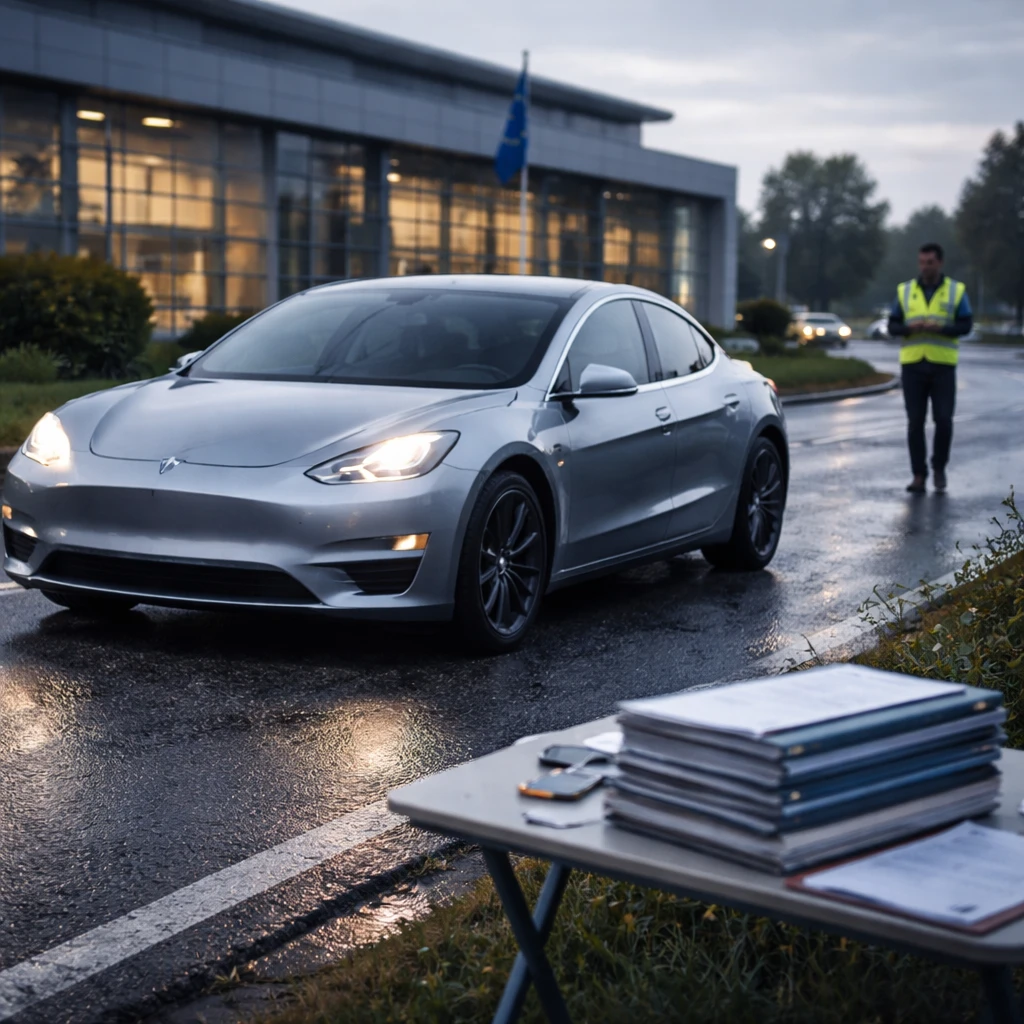
Tesla Inc. anticipates formal approval from the Netherlands vehicle authority RDW for its Full Self-Driving (Supervised) package by April 10, 2026, the electric vehicle maker said on Friday. That date is three weeks later than the March 20 milestone the company had previously expected. Tesla framed the April timetable as the next regulatory milestone on a potential route to EU-wide availability of its autonomous driving suite during the summer of 2026.
Regulatory submission and testing
Tesla confirmed it has completed the final phase of vehicle testing with RDW and has filed all of the paperwork required for UN R-171 type approval and Article 39 exemptions. The Dutch authority is now internally reviewing the comprehensive set of test results and supporting documents provided by Tesla.
The company said the approval effort entailed an extensive 18-month testing and documentation campaign. That program included more than 1.6 million kilometers of FSD testing on European roads, in excess of 13,000 customer sales ride-alongs and over 4,500 track test scenario executions. The regulatory dossier submitted to RDW runs to thousands of pages and addresses more than 400 compliance requirements, supplementing dozens of research studies examining safety performance and results.
Company comments and analyst reaction
In its announcement, Tesla Europe stated: "We are anticipating a possible EU-wide approval during the summer." The company added: "We're extremely proud of the work conducted with the RDW team up until this point. We very much look forward to the approval in April, and sharing FSD (Supervised) with our patient EU customers."
Barclays analyst Dan Levy commented on the development, saying, "[o]ther EU countries will be able to recognize Netherlands approval, potential EU-wide approval during the summer." Levy characterized the update as favorable for the stock given the constraints European regulations have placed on broader FSD availability.
Role of RDW and EU recognition
RDW functions as Tesla's type approval authority in Europe, and its decision will be pivotal for wider market access on the continent. Under current EU rules, a Netherlands approval can be recognized by other member states at the national level, though achieving harmonized EU-wide authorization requires further regulatory steps beyond a single-country type approval.
Regulatory scrutiny in the United States
The anticipated European progress arrives as Tesla faces intensified oversight domestically in the United States. The National Highway Traffic Safety Administration escalated an investigation on Thursday into approximately 3.2 million Tesla vehicles equipped with FSD, centered on concerns the system could fail under poor visibility conditions. Separately, NHTSA closed another defect petition on Friday covering about 2.26 million vehicles, concluding it had found no evidence of safety-related defects tied to pedal misapplication claims.
Market reaction
Despite the regulatory update, Tesla shares slipped 0.99% on Friday to close at $376.52.
What to monitor next
Stakeholders and market participants should watch several items closely as the process unfolds:
- April 10 decision date - The RDW announcement and any conditions or operational limits attached to an approval.
- EU-wide approval timeline - Movement toward a harmonized, continent-wide authorization during the summer of 2026.
- Commercial rollout details - Pricing, which models will receive the feature, and how Tesla plans to phase geographic availability within Europe.
- U.S. investigation impact - Whether developments in the NHTSA probes influence regulators or market sentiment in Europe.
- Competitive positioning - How Tesla's path to approval compares with rivals, for example Mercedes-Benz, which has already secured Level 3 autonomous driving approval in Germany.
Significance
If RDW grants approval, it would be Tesla's first regulatory authorization for Full Self-Driving technology outside the United States, potentially unlocking a new revenue opportunity in the European market. The timing and any stipulations attached to an approval will shape the initial commercial rollout and how quickly other EU countries recognize the authorization.
Note: This article summarizes the current public disclosures and statements from Tesla and regulatory authorities. It reflects the status and data provided by the company and regulators as of the announcement and does not introduce additional facts.