
Stock Markets February 19, 2026

Tesla Lowers U.S. Price on Cybertruck’s Top-Tier Cyberbeast to $99,990

Adjustment follows weaker-than-expected demand, quality concerns and mounting competition in the EV market

By Hana Yamamoto
Tesla Lowers U.S. Price on Cybertruck’s Top-Tier Cyberbeast to $99,990

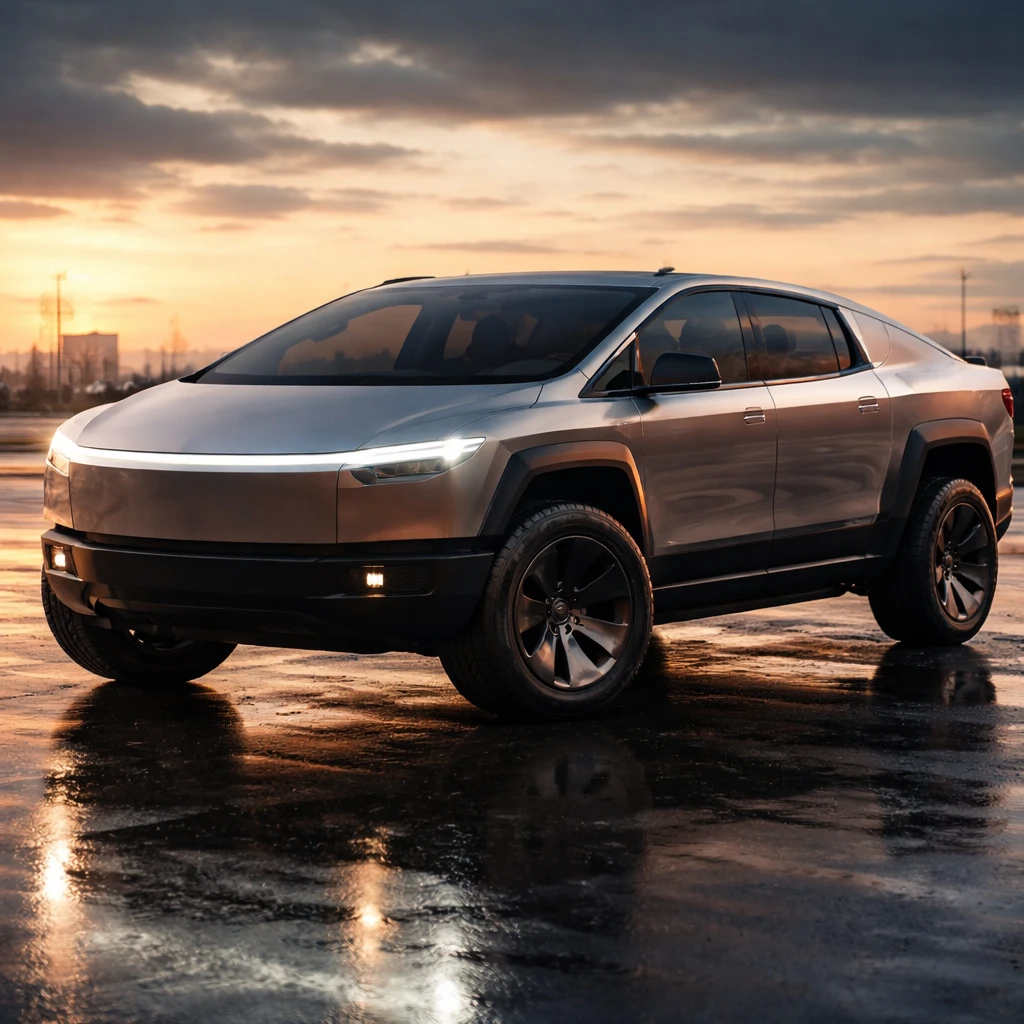
Tesla has reduced the U.S. sticker price for the Cyberbeast, the highest-spec Cybertruck, to $99,990 from $114,990. The move comes amid sharply reduced sales for the Cybertruck line, quality and recall problems, and increased pressure from lower-priced rival pickups. The automaker is also experiencing broader EV sales declines and has shifted production priorities away from some legacy models.

Key Points

  • Tesla reduced the U.S. price of the Cyberbeast from $114,990 to $99,990; the Cyberbeast is the Cybertruck's top-tier variant with tri-motor AWD and premium features - sectors impacted include automotive manufacturing and premium EV segments.
  • Cybertruck sales have nearly halved through 2025, with about 60,000 units sold since late-2023 versus a 250,000 annual target - this shortfall affects EV market share and sales forecasts in the electric vehicle sector.
  • Tesla faces broader EV sales declines tied to the expiration of a U.S. EV tax credit, increased overseas competition and reputational challenges involving the CEO; production capacity has been redirected away from S and X models toward robotics and autonomous vehicle projects, impacting robotics/automation and vehicle manufacturing plans.

Tesla has cut the United States price for the Cybertruck's top-end Cyberbeast variant to $99,990, down from $114,990, according to listings on the company's website. The Cyberbeast is the most expensive configuration of the pickup, featuring a tri-motor all-wheel drive setup, upgraded interior appointments and additional performance-oriented equipment.

The reduction in sticker price comes as the Cybertruck model line has seen a marked slowdown in demand. Through 2025, sales of the vehicle have nearly halved, with the truck accumulating roughly 60,000 units sold since its late-2023 launch - a figure well under the 250,000-per-year target previously cited by the company's chief executive.

Several factors cited in company commentary and market reports have weighed on the truck's commercial performance. The Cybertruck has been affected by a number of recalls and quality issues, and competing lower-priced models from established rivals such as Ford and Chevrolet have put additional pressure on demand.

Executives have continued to roll the Cybertruck out to additional markets outside the United States, but the model has not yet closed the gap to the production target. At the same time, Tesla is contending with broader declines across its electric vehicle portfolio. The expiration of a U.S. EV tax credit program, rising competitive pressure from overseas manufacturers and public dissatisfaction with the company's chief executive in certain regions have all been associated with two consecutive years of sales contraction for the automaker.

In a related production shift, the company recently halted manufacture of its S and X models. Management has indicated that the factory capacity freed by that decision will be reallocated to initiatives in robotics and autonomous vehicle development.


Context and implications

The price adjustment for the Cyberbeast signals an attempt to respond to weaker demand for Tesla's flagship pickup and to make the high-end offering more competitive against lower-cost alternatives. The vehicle's sales trajectory and the broader decline in EV deliveries suggest continued near-term headwinds for the company's automotive division.

While Tesla has expanded the Cybertruck into new international markets, the brand has yet to achieve the sales volume it had targeted. The company is simultaneously managing quality-related recalls and shifting production priorities toward non-vehicle technology areas.

Risks

  • Ongoing recalls and quality concerns for the Cybertruck could further suppress demand and raise warranty or remediation costs - this primarily impacts automotive manufacturing and after-sales service sectors.
  • Competition from lower-priced pickups from established rivals such as Ford and Chevrolet may continue to erode Cybertruck sales, pressuring pricing and margins in the electric pickup and broader EV market.
  • The expiration of the U.S. EV tax credit program, combined with growing overseas competition and regional public discontent with company leadership, contributes to sustained declines in EV deliveries and could constrain near-term revenue growth for the automaker.

More from Stock Markets

KeyCorp Shares Tick Higher After Report That First Citizens Is Targeting Deals Feb 20, 2026 AI Vulnerability Hunter Spurs Sell-Off in Cloud-Native Security Stocks Feb 20, 2026 AppLovin Shares Trim Gains After SEC Confirms Probe Is Ongoing Feb 20, 2026 U.S. Sugar Sector Faces Regulatory Headwinds as New Dietary Rules Gain Traction Feb 20, 2026 Tech and energy names lead swings as stocks from Oracle to RingCentral move sharply Feb 20, 2026