
Stock Markets March 12, 2026

Taiwan’s Major Parties Clear Way for Government to Sign U.S. Arms Agreements Ahead of Deadlines

Parliamentary committee permits executive to finalise four weapons procurements despite unresolved defence spending review

By Sofia Navarro LMT
Taiwan’s Major Parties Clear Way for Government to Sign U.S. Arms Agreements Ahead of Deadlines
LMT

Taiwan’s three principal political parties have agreed to allow the government to proceed with signing U.S. letters of offer and acceptance for four arms packages, after officials warned the island would lose its place in production and delivery queues if it missed looming deadlines. The move follows a broader dispute in parliament over proposed additional defence funding and comes as U.S. lawmakers and Washington express concerns about the stalled process.

Key Points

  • Taiwan’s three main political parties authorised the government to sign U.S. letters of offer and acceptance for four arms packages to avoid losing place in production and delivery queues - sectors affected include defence contractors and government procurement.
  • Parliament remains divided over an additional $40 billion defence spending proposal, with opposition parties offering lower-cost alternatives - this impacts fiscal planning and defence budget allocations.
  • Weapons to be covered include TOW anti-tank missiles, M109A7 howitzers, Lockheed Martin-made Javelin missiles and HIMARS multiple-launch rocket systems - relevant to military suppliers and the defence equipment market.

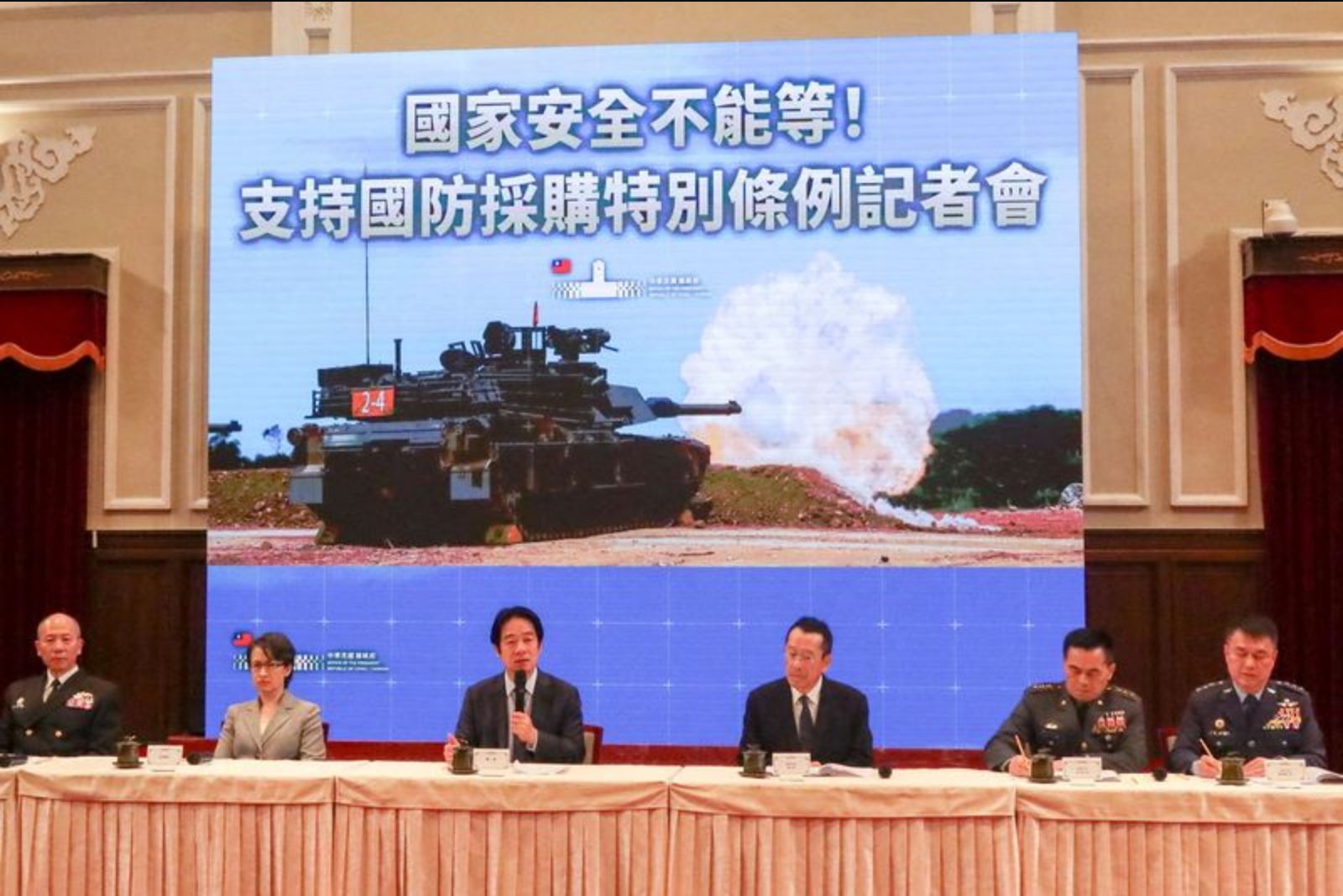
Taipei’s leading political parties reached consensus on Thursday to authorise the government to execute agreements with the United States covering four separate arms packages, after officials cautioned that failing to meet signing windows would put Taiwan at the back of the delivery queue.

The negotiations over the island’s defence outlays have unsettled U.S. officials, who are Taiwan’s principal international supporter and primary supplier of military equipment despite the absence of formal diplomatic relations.

President Lai Ching-te’s administration had sought parliamentary approval for an additional $40 billion in defence spending. Opposition lawmakers, who hold the largest number of seats, contend the proposals lack sufficient detail and have said they will not endorse what they describe as "blank cheques," even while expressing support for bolstering national defence.

Both opposition parties have proposed alternative, lower-cost defence packages, but the Ministry of National Defense has emphasised that the U.S. letters of offer and acceptance must be signed on schedule or Taiwan would forfeit its place in the production and delivery sequence.

During a session of the Legislative Yuan’s foreign affairs and defence committee, members from across the political spectrum agreed that the executive branch may sign the U.S. agreements in advance of completing parliamentary reviews, should timing force the issue.

The armaments covered by the pending letters include TOW anti-tank missiles, M109A7 self-propelled howitzers, Javelin missiles manufactured by Lockheed Martin, and the HIMARS multiple-launch rocket system.

Defence Minister Wellington Koo told reporters on Tuesday that the HIMARS letter of offer and acceptance would expire on March 26 for 82 systems, which were identified by the U.S. as part of an $11 billion arms package for Taiwan. The ministry stated that Sunday is the deadline to sign the letters for the remaining weapon systems.

Last month, a bipartisan group of 37 U.S. lawmakers expressed concern to senior Taiwanese legislators about the delays in finalising the arms purchases. The article notes that the Trump administration has urged allies to raise defence spending - a policy position President Lai and his administration have strongly supported.

Is LMT a bargain right now? The fastest way to find out is with our Fair Value calculator. We use a mix of 17 proven industry valuation models for maximum accuracy. Get the bottom line for LMT plus thousands of other stocks and find your next hidden gem with massive upside. See Undervalued Stocks

Risks

  • Missing the signing deadlines could cause Taiwan to lose its scheduled place in production and delivery queues, delaying capabilities and affecting defence contractors - risk concentrated in defence manufacturing and supply chains.
  • Parliamentary disagreement over the $40 billion supplementary defence spending introduces uncertainty in budget approval and timing of procurements, impacting defence-sector contract certainty and government fiscal planning.
  • The reliance on expedited executive signing to protect delivery slots may heighten political tensions and public scrutiny, potentially affecting investor sentiment toward defence-related equities and government bond financing.

More from Stock Markets

Morgan Stanley: Mastercard and Visa Hardly Affected by Middle East Travel Mar 12, 2026 Indian equities slide as Nifty posts near 6-month low; Sensex falls over 1% Mar 12, 2026 Kardex posts robust H2 2025 order growth, mixed sales and profit outcomes Mar 12, 2026 Autoneum posts strong free cash flow in 2025 as 2026 guidance falls short of estimates Mar 12, 2026 Bumble stock pops as Q4 beats and AI-led product overhaul win investor favor Mar 12, 2026