
Summary: Betting platforms that offer binary contracts on real-world events are under intensified scrutiny after large wagers related to attacks on Iran and the reported removal of Ayatollah Ali Khamenei. Data from analytics firms and statements from exchange-linked firms show heavy, concentrated activity in the hours and weeks before the strikes, while some contracts are now disputed or reimbursed. The developments have revived legal questions about whether such markets cross lines of public policy and whether their rules adequately prevent profits tied to death.
What happened
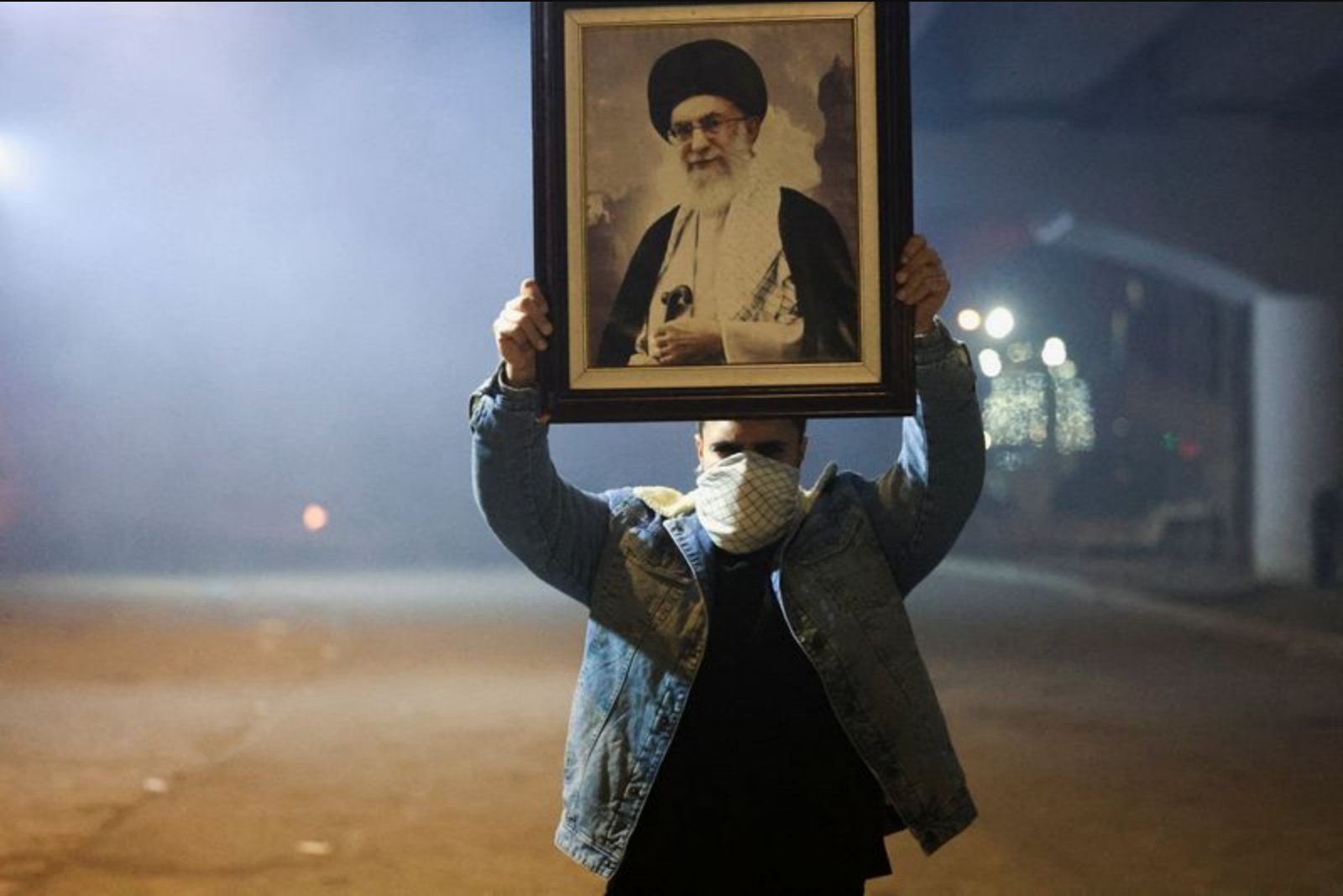
Markets that allow customers to buy yes-or-no contracts on geopolitical events saw abrupt price shifts as rumours circulated about Khamenei's death in Israeli strikes over the weekend. One analytics firm reported substantial gains for a small number of accounts, while another noted a pattern of purchases from largely dormant wallets in the weeks prior to the strikes.
Polymarket recorded a total of $529 million wagered across contracts tied to the timing of attacks, with payouts triggered for those who selected Saturday as the date of the first strikes. Separately, $150 million was placed across two contracts that centered on Khamenei's removal as supreme leader. According to analytics firm Bubblemaps, six accounts made a combined $1.2 million profit from Polymarket bets that were funded in the hours before Saturday's raids. Polysights, another analytics tracker, reported a concentrated wave of buying in mid-January by new wallets with little or no prior activity on Iran-related contracts. That buying was focused on Polymarket positions speculating that Khamenei would be out by the end of March.
Polymarket did not provide an immediate comment when contacted by email. Its contracts on "Khamenei out" are currently in a "debate period" after token holders disputed the contracts' resolution. Rival platform Kalshi also operated a market on the same outcome and, after the event, reimbursed trading fees and returned payouts at the last-traded price prior to the announcement of Khamenei's death. Kalshi's chief executive, Tarek Mansour, posted on social media that when markets involve potential outcomes tied to death his firm designs rules to prevent people from profiting from death - and that was the action Kalshi took in this case.
How these markets work
Prediction markets allow participants to buy tradable binary contracts that represent a specific real-world outcome. Contract prices move between zero and 100 cents according to trading flow, and successful bettors typically receive $1 when a contract resolves in their favor. The spaces range from sports and economic indicators to sensitive political and geopolitical events.
Legal and political questions
Under U.S. law, wagers that are considered contrary to the public interest - including those involving war or assassination - may be prohibited. Last month a group of six Democratic senators wrote to the Commodity Futures Trading Commission expressing concerns that prediction markets might be breaching those rules. Individual lawmakers have expressed alarm on social media: Senator Chris Murphy called it "insane" that such markets are legal and said he would introduce legislation to ban them, responding to Bubblemaps' disclosure about Polymarket bets. Murphy was not among the six senators who sent the letter to the regulator.
Prediction markets have seen sharp growth in recent years. Their real-time probabilities drew attention during the 2024 U.S. election, when those markets' forecasts outperformed polling in anticipating the outcome. Last year, analysts at brokerage Clear Street reported $47 billion in global trading volume across prediction markets. That rapid expansion has attracted both Wall Street interest and regulatory pushback. New York Stock Exchange parent ICE has taken a $2 billion stake in Polymarket. Trading platform Plus500 launched prediction markets on its U.S. retail interface last month through a partnership with Kalshi.
Regulatory gray areas and trading integrity
Prediction markets have faced allegations of insider trading and operate in what participants describe as a regulatory gray area. Platforms argue they should be overseen by the Commodity Futures Trading Commission rather than state gambling authorities. The controversy over Iran-related contracts is not an isolated case: in January a single mystery trader made about $410,000 from a bet on the ouster of Venezuelan president Nicolas Maduro. That episode and the latest events have intensified calls for clearer regulatory boundaries and scrutiny of market practices.
Conclusion: The surge in activity around Iran-related contracts has exposed the tensions at the heart of prediction markets - their usefulness as real-time aggregators of probability and the legal and ethical boundaries that can be crossed when outcomes involve violence or political leadership changes. Platforms are now navigating disputed contract resolutions, reimbursement decisions, and heightened legal and political attention, while the industry continues to attract large capital commitments and partnership deals.