
A new study published in JAMA reports that nearly 3 million people enrolled in Medicare Advantage plans - about 10% of all participants in the privately managed segment of Medicare - were compelled to find new coverage in 2026 after insurers reduced plan options or exited markets. The research found that disruptions were substantially more common in rural counties, occurring at roughly double the rate observed in urban areas.
The study’s findings raise concerns about continuity of care. Hannah James, a policy researcher at the RAND Corporation, wrote in an accompanying editorial that these market movements could mean lost access to regular providers, specialty services, and long-term treatments for affected beneficiaries.
Impact by state and carrier
Across seven states, over 40% of Medicare Advantage enrollees had to scramble for alternate plans when existing offerings were discontinued. Those states were Vermont, Idaho, Wyoming, North Dakota, South Dakota, Maryland, and New Hampshire. Vermont had the largest share of affected enrollees, with 92% facing plan exits.
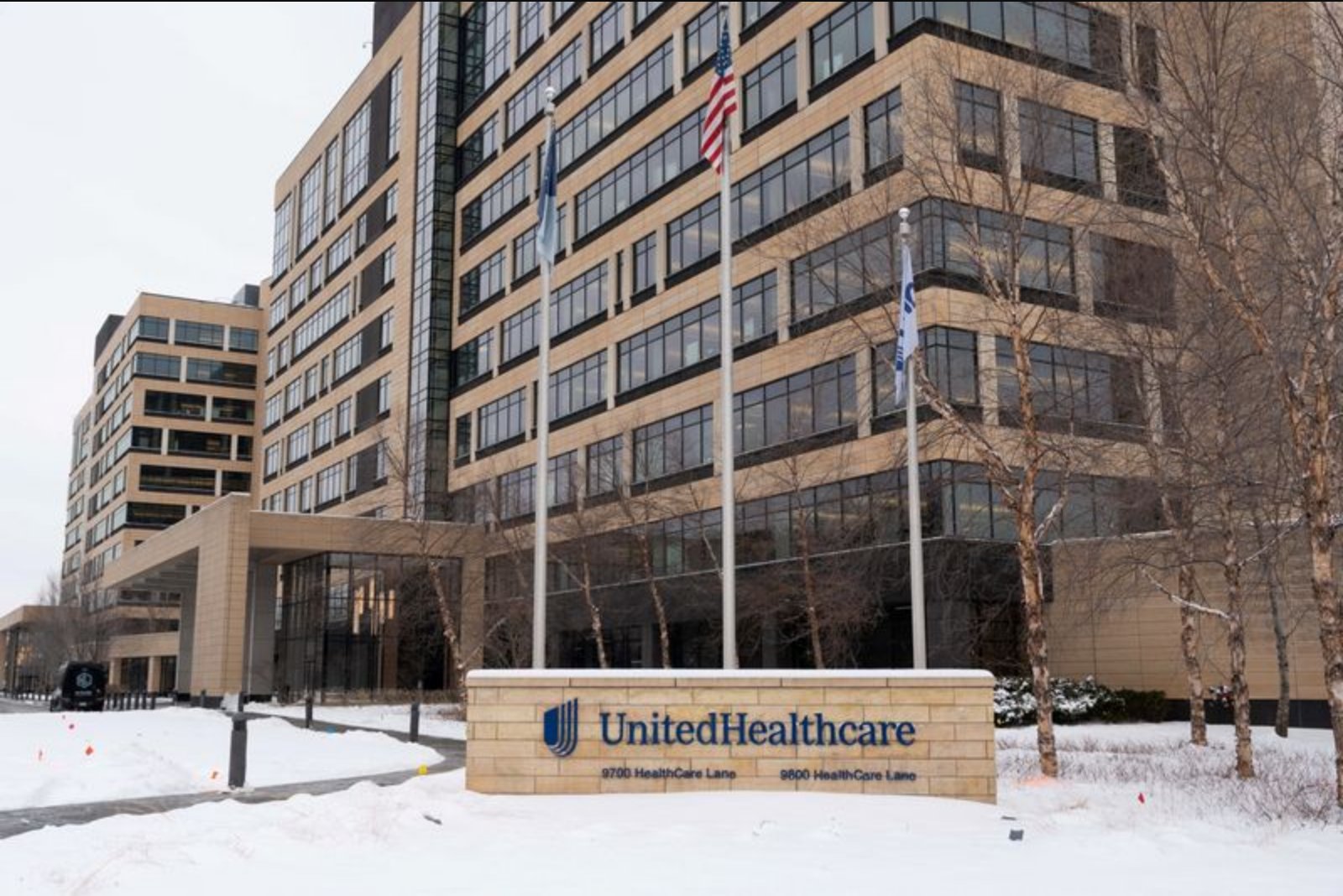
The study attributes roughly half of the disruptions to enrollees of smaller insurance carriers. Among the named large insurers, UnitedHealthcare accounted for nearly 14% of disruptions. CVS Health’s Aetna and Elevance were responsible for about 8.65% and roughly 8% of disruptions, respectively.
Researchers also observed that plans offering a wider selection of providers were among the most frequently terminated, which may amplify concerns about beneficiary choice where plan exits occur.
Context on program scale and recent market dynamics
The government Medicare program provides benefits to about 60 million people who are age 65 or older or who have disabilities. Roughly half of those beneficiaries participate in Medicare Advantage plans operated by private insurers, while the remaining half receive benefits through traditional, government-run Medicare.
The study cites market shifts that began in 2025, when insurance companies reported financial shortfalls in certain plans after costs rose and government reimbursement declined. As a result, several insurers signaled they would withdraw from or reconfigure markets in 2026.
Market share context cited in the study notes that in 2025 UnitedHealthcare accounted for nearly a third of all Medicare Advantage plans, according to a health policy firm. Other major plan sponsors included Humana, CVS Health, and Elevance, which represented 17%, 12%, and 7% of plans, respectively.
Policy implications highlighted by the editorial
"Policymakers should consider whether the current program design adequately aligns plan incentives with beneficiary needs," James wrote in the RAND editorial accompanying the JAMA study.
The editorial argues that the current payment model - in which the government pays insurers on a pre-negotiated basis - can create incentives for plans to target more profitable enrollees rather than consistently serving the full spectrum of beneficiary needs.
Because the study documents substantial enrollment disruption concentrated in specific geographies and among particular plan types, it underscores questions about access to care and how plan incentives interact with beneficiary protection. The research offers detailed counts and percentages for affected enrollees and identifies the insurers and states most impacted without drawing conclusions beyond the reported findings.