
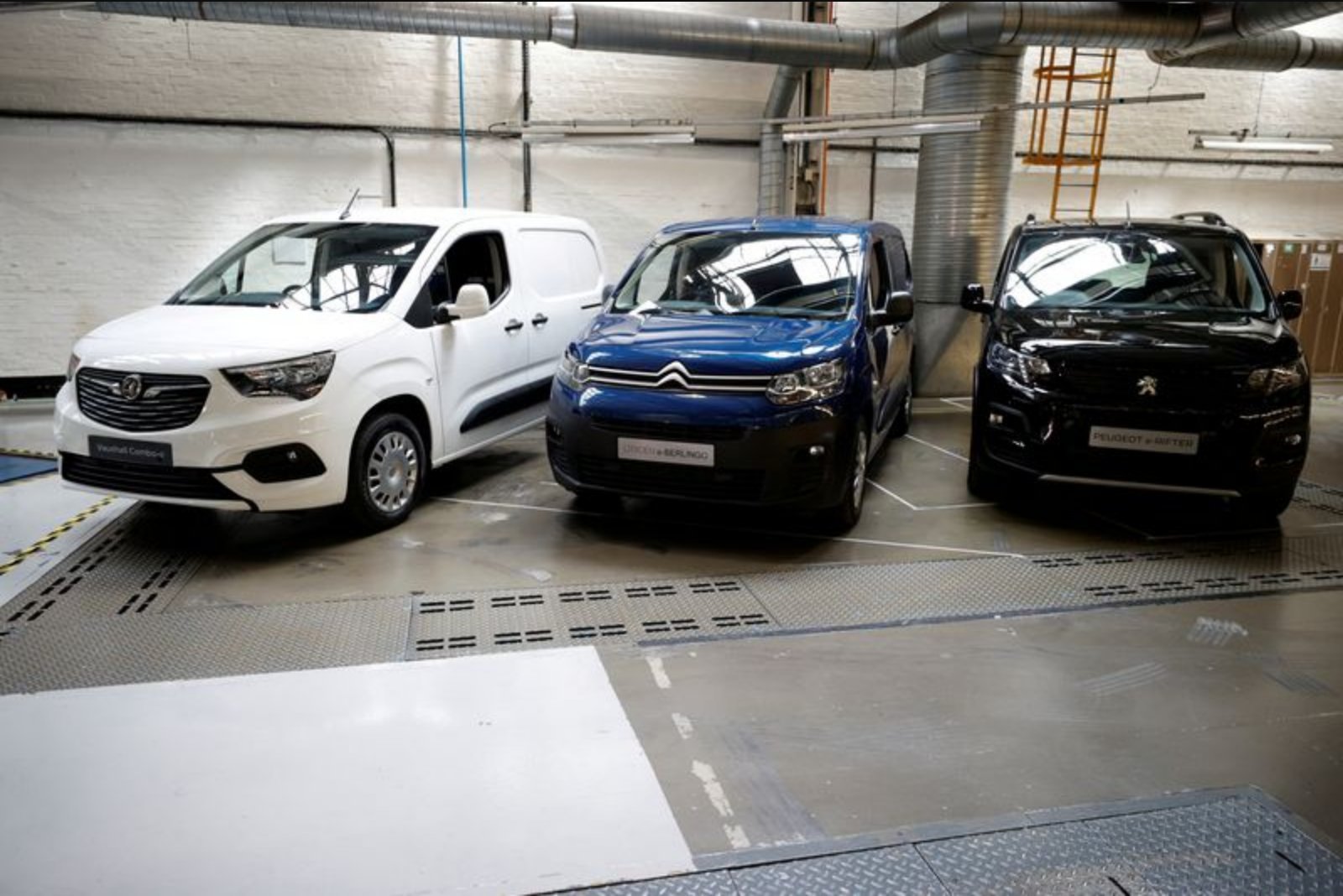
Stellantis has quietly started bringing diesel powertrains back to several of its European models, reintroducing diesel versions for at least seven passenger cars and vans as the company steps back from an aggressive electric vehicle (EV) push.
The revival, which began in late 2025, covers a range of vehicles from passenger vans to compact and premium hatchbacks, including the Peugeot 308 and the premium DS No. 4 hatchback. The decisions follow weaker-than-expected EV demand in key markets and changes to emissions policy in Europe that allow combustion engines to remain in the mix for longer.
Company communications in response to the findings state: "We have decided to keep diesel engines in our product portfolio and - in some cases - to increase our powertrain offer. At Stellantis we want to generate growth, that’s why we are focused on customer demand." The comments were provided by the automaker following a review of dealer listings and company statements.
As recently as 2015, diesel represented at least half of new car sales across Europe, but the segment has contracted dramatically since the fallout from emissions scandals that year. According to data from the European car lobby group ACEA, diesel vehicles comprised just 7.7% of new car sales in 2025, while fully electric cars accounted for 19.5% of the market.
Many manufacturers have reduced or eliminated diesel options in recent years, and Stellantis itself offered only a limited diesel line-up compared with the dozens of diesel models it sold five years earlier. The recent reintroduction targets segments where emerging Chinese rivals that specialise in EVs have limited presence, and where diesels carry a substantially lower price tag than fully electric alternatives - a potential advantage as automakers and buyers confront tighter budgets and slower EV uptake.
Last week the group announced 22.2 billion euros in charges as it scales back portions of its EV strategy, a move that pushed its shares to their lowest level since the creation of the group in 2021 through the merger of Fiat Chrysler and PSA. The company had previously set targets for fully electric vehicles to represent 100% of its European sales and 50% of its U.S. sales by 2030, but demand in both markets has fallen short of those expectations.
The shift away from an all-EV roadmap is visible in other parts of the Stellantis portfolio as well. In the United States the company has revived combustion-engine nameplates such as the Jeep Cherokee with its 'Hemi' eight-cylinder engine in a bid to reclaim U.S. market share. In Europe the company has reintroduced or maintained diesel options on several models. The review found diesel versions of the Opel Astra, the Opel Combo van, the seven-seat Peugeot Rifter SUV, and the Citroën Berlingo passenger van among those being brought back.
Stellantis also indicated it will continue production of diesel-powered models that remain in demand, naming the premium DS7 SUV as well as Alfa Romeo models including the Tonale and Stelvio SUVs and the Giulia sedan "in response to sustained customer demand." Additionally, the company has introduced petrol-hybrid variants alongside electric versions in some lines, such as adding a petrol hybrid Fiat 500 in Europe while still offering the EV variant.
Industry marketplace data show the broader diesel model count has tumbled in the U.K., with total new diesel models falling to 57 in 2025 from 167 in 2020. Brands sold under the Stellantis umbrella in Britain now list just four diesel models, down from 26 five years earlier.
Chris Knapman, editorial director at the online marketplace cited in the model-count data, noted that Stellantis' move diverges from the wider industry trend. "If you look at the direction of travel when it comes to diesel, Stellantis now seems to be bucking the trend," he said. Knapman added that diesels still make sense for buyers who need long driving ranges between refuelling stops or more power for towing, and that diesel could be a differentiator for established European brands versus new entrants from China focused on EVs.
Policy shifts in key markets have also softened the regulatory backdrop for combustion engines. European authorities have watered down emissions targets in a way that permits internal-combustion vehicles to remain viable for longer. In the United States, where Stellantis derives a large portion of its sales, the current administration repealed a scientific finding that greenhouse gas emissions endanger human health, a change that eliminated federal car and truck tailpipe emissions standards.
The combination of regulatory relaxation, softer EV demand and competitive pressures from lower-priced EVs has prompted Stellantis to recalibrate its powertrain strategy across markets. The company says the adjustments are designed to align offerings with customer demand as it seeks growth amid shifting consumer preferences.
Investment product note included in source material: The material reviewed also included a reference from an investment-screening tool that evaluates the Stellantis-related ticker STLAM and compares it with other companies using an automated model. The note cited past winners as examples of algorithmic stock picks; however, the strategic and financial details described elsewhere in this article come from the company's public actions and product decisions.