
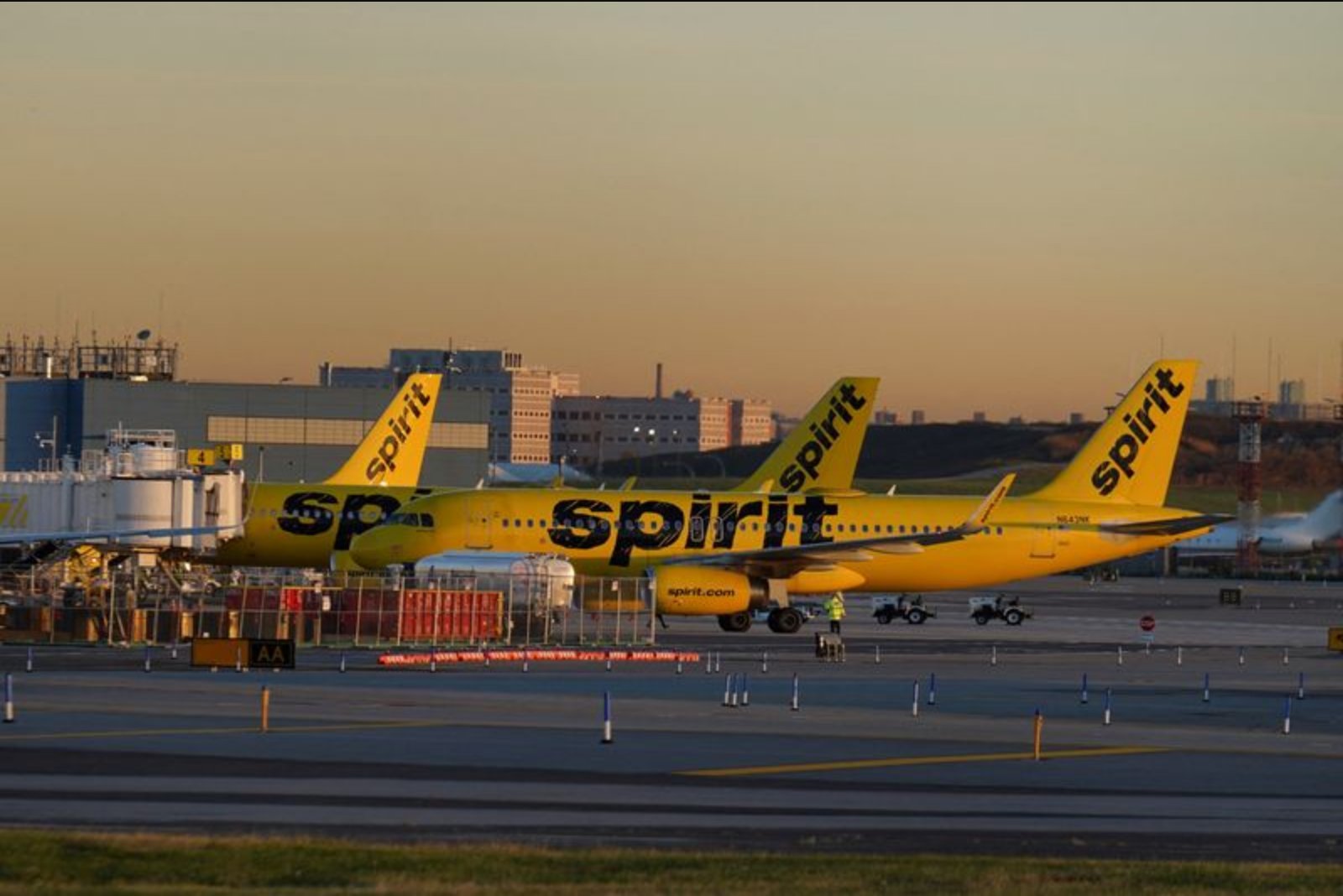
Spirit Airlines said on Tuesday it has called back nearly 500 pilots who were furloughed last year, a move timed as the carrier prepares to exit its second bankruptcy proceeding. The company finalized a restructuring accord with its lenders last month that, under the agreement, would permit Spirit to leave bankruptcy by late spring or early summer.
Management plans to relaunch the airline on a slimmer operational footprint, concentrating resources on routes and high-demand travel windows where passenger demand is strongest. In a statement, Spirit noted that "Recalled Pilots were sent a notice on March 9, 2026, and those who accept will return to duty in the timeframe detailed in the Collective Bargaining Agreement."
That recall was reportedly driven by pilot attrition that exceeded the company's expectations, according to a report citing a company memo. Spirit declined to comment on the memo or to provide further details when asked.
Spirit Aviation Holdings, the carrier's parent, first sought Chapter 11 protection in August, marking the group's second bankruptcy filing. The company entered the process after cash reserves dwindled and losses mounted. Spirit has rolled out a series of measures designed to reduce cash burn and secure new funding, but the core ultra-low-cost model has continued to struggle as passengers show more preference for higher-service options.
Spirit, recognizable for its bright yellow Airbus fleet, built its market position on very low base fares targeted at travelers willing to forgo bundled services such as checked baggage and assigned seating. According to the company's own account in the run-up to restructuring, that demand declined rapidly after the pandemic as travelers shifted toward greater comfort and experience in their travel choices, leaving ultra-low-cost carriers with adaptation challenges.
The pilot recall and the planned reduction in scale highlight the carrier's effort to stabilize operations and liquidity while preparing to emerge from bankruptcy under the lender-backed plan. The company framed its forthcoming network as more tightly aligned with peak-period demand, with staffing adjustments intended to match that strategy.
What are the best investment opportunities in 2026? The original text promoted data-driven tools for investors, noting that stronger information and AI-powered insights can help identify investment candidates more consistently than intuition alone. That material emphasized that such tools do not guarantee winners but can improve the odds of finding attractive investments.