
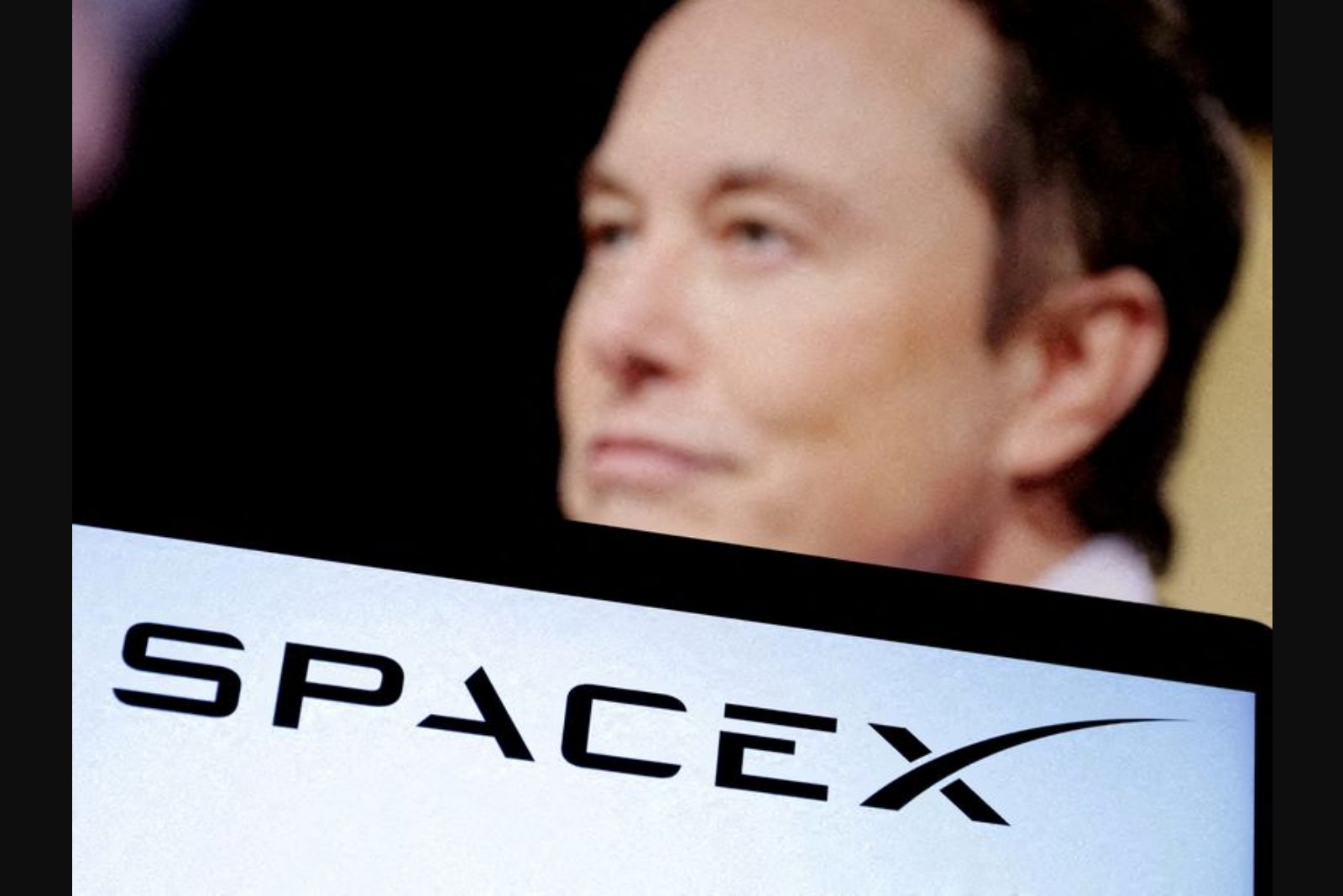
Elon Musk said on Sunday that SpaceX has reoriented its near-term focus toward developing what he described as a "self-growing city" on the Moon, a program he suggested could be realized in less than 10 years.
In a post on his social platform X, Musk emphasized that although a city on Mars remains a long-held goal for SpaceX, the more immediate objective is to "secure the future of civilization" and that the Moon represents a faster avenue to that end. He wrote that SpaceX still plans to begin work toward a Mars city within five to seven years, but that the overriding priority at present is the lunar effort.
Musk's comments followed reporting that SpaceX has communicated to investors that its plans will prioritize lunar missions, with a subsequent attempt to reach Mars planned at a later date. That investor communication included a targeted date of March 2027 for an uncrewed lunar landing.
The company had previously signaled more aggressive Mars timing, with Musk last year saying he aimed to send an uncrewed mission to Mars by the end of 2026. The updated emphasis on the Moon comes amid intensifying competition from China in returning humans to the lunar surface this decade. Humans have not landed on the Moon since the Apollo 17 mission in 1972.
SpaceX's strategic pivot comes on the heels of recent corporate moves. Less than a week ago, Musk announced that SpaceX had acquired the artificial intelligence firm he also leads, xAI. That transaction included valuation figures that put SpaceX at $1 trillion and xAI at $250 billion, according to Musk's statement.
Supporters of integrating xAI with SpaceX argue the acquisition strengthens plans for space-based data centers, which Musk has characterized as potentially more energy efficient than terrestrial facilities as demand for compute grows with AI development.
On the financing front, SpaceX is reportedly aiming for a public offering later this year that could raise as much as $50 billion, a sum that would make it one of the largest offerings in history if realized.
Addressing the company's revenue mix, Musk replied to a user on X that NASA will account for less than 5% of SpaceX's revenue this year. SpaceX is a principal contractor within NASA's Artemis moon program and holds a $4 billion contract to land astronauts on the lunar surface using the Starship vehicle. Musk indicated that the vast majority of SpaceX's revenue derives from its commercial Starlink satellite internet system.
Earlier on Sunday, SpaceX released its first Super Bowl advertisement, promoting its Starlink Wi-Fi service.
At the same time that Musk is pivoting SpaceX's near-term priorities, he is also pushing changes at his publicly traded electric vehicle company, Tesla. The company plans to spend $20 billion this year as part of an effort to shift toward autonomous driving and robotics, Musk said.
To accelerate that transition, Musk stated last month that Tesla will end production of two car models at its California factory to free capacity for manufacturing its Optimus humanoid robots.
This adjustment in emphasis across Musk's companies highlights a simultaneous push into lunar infrastructure, space-based compute and robotics, with corporate and financial moves aligning to support those priorities.