
S&P Global Ratings moved Wolverine World Wide Inc. (NYSE:WWW) up one notch to B+ from B and left the outlook at stable, noting that it expects the footwear and apparel maker to keep leverage comfortably below 5x over the coming year. The agency linked the upgraded rating to an improvement in operating performance and profitability the company achieved through the end of 2025.
Operational drivers and financial progress
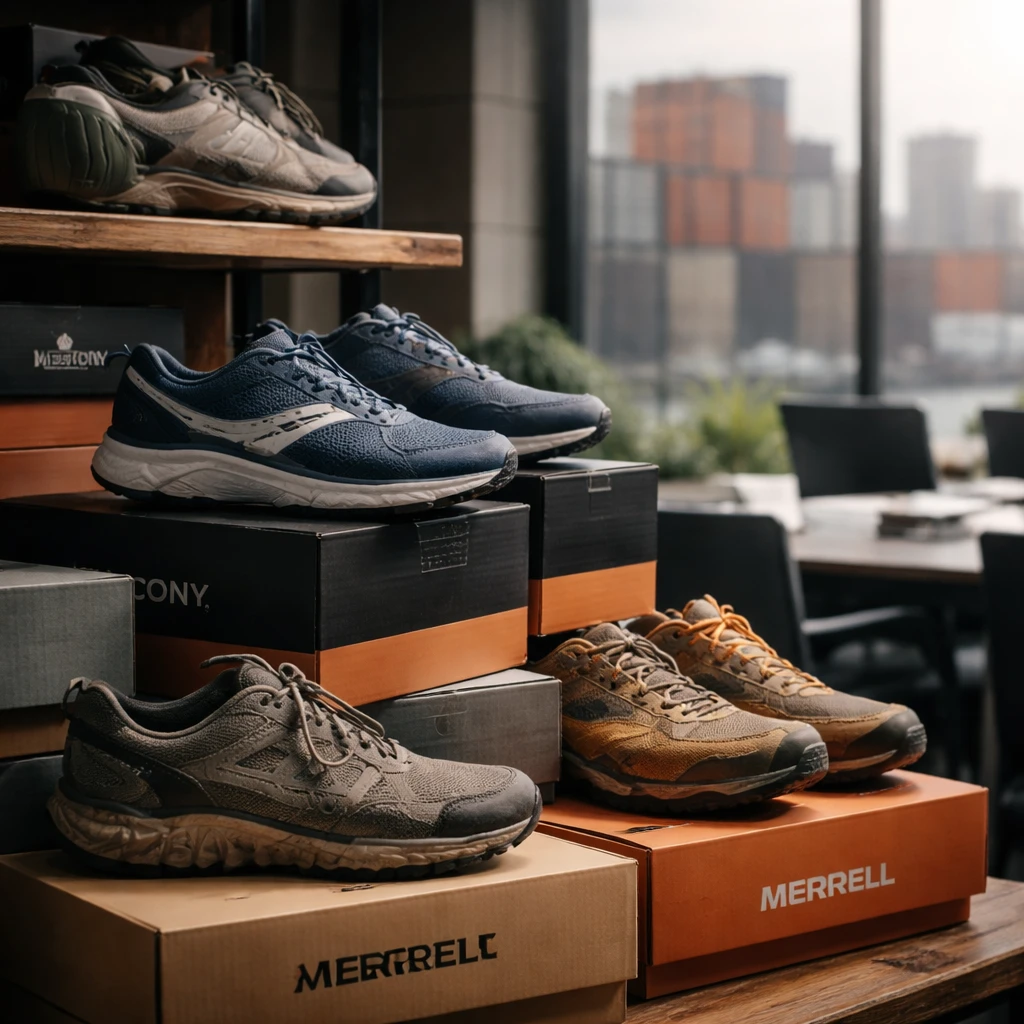
S&P pointed to robust results from Saucony and Merrell as primary contributors to Wolverine’s recent deleveraging. Those brands helped the company modestly surpass its guidance for 2025 on revenue, earnings, gross margin and operating margin. Over the last two years Wolverine’s leverage has fallen by more than 5x, and adjusted EBITDA margins have widened by roughly 720 basis points versus 2023 levels, according to S&P’s assessment.
The ratings agency noted that the company finished 2025 with more than $200 million in cash. Management has avoided material share repurchases while using cash flow to strengthen the balance sheet, including reductions in pension-related liabilities.
Near-term outlook and cost pressures
S&P expects 2026 operating performance to be broadly similar to 2025. That view reflects a balance between continued growth in Wolverine’s active group and offsetting cost pressures: higher tariff expenses, ongoing marketing spend behind Saucony, and investments in Sweaty Betty and the company’s work group.
In its forecast S&P factors in roughly $65 million of tariff-related costs for the company in 2026, which represents an incremental hit of about $50 million versus 2025. The agency acknowledged that recent changes in U.S. tariff policy could modestly reduce those expenses, but it expects Wolverine would likely see such benefits only in the second half of 2026.
Geopolitical and market risks
S&P also warned that potential effects from the war with Iran could increase shipping costs, curb consumers’ discretionary income and exert downward pressure on margins. On the company’s product portfolio, Wolverine’s namesake work brand experienced a 9% revenue decline in 2025; S&P described that brand as approaching a trough after missing out on a Western workwear trend.
Capital allocation and strategic stance
The ratings agency expects Wolverine to avoid material acquisitions for at least the next 12 months, as management focuses on organic growth and on developing the company’s capabilities as a global brand builder. S&P noted a potential governance risk: activist investors could press for a more aggressive financial policy, including debt-funded acquisitions or increased share buybacks, which could alter the company’s capital structure.
The upgrade to B+ reflects improved leverage metrics and stronger profitability, but S&P’s commentary underscores a cautious view of near-term headwinds from tariffs, elevated marketing and investment spending, and geopolitical uncertainty that could affect margins and consumer demand.