
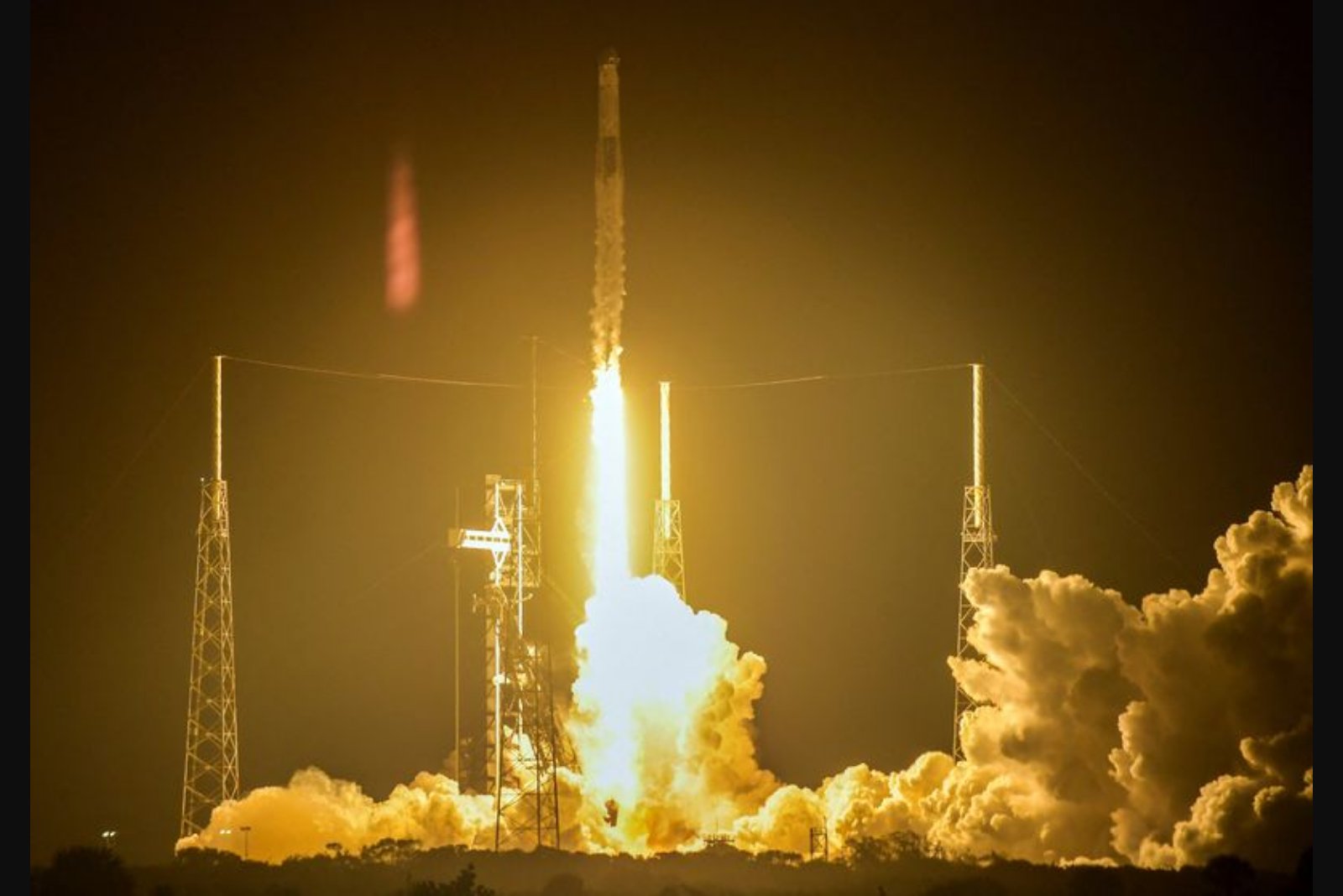
Next week the Senate Committee on Commerce, Science, and Transportation will debate an amendment to a NASA authorization bill that would extend the life of the International Space Station (ISS) by two years and require NASA to build a moon surface base as part of its Artemis program.
The committee plans to take up the legislation on March 4. Under the proposed amendment, the ISS - which NASA had planned to retire by 2030 - would now have a retirement date set at 2032. The extension has bipartisan backing from the committee's chair, Ted Cruz, and its ranking member, Maria Cantwell.
Proponents frame both changes as responses to rising geopolitical competition in space, particularly from China. The bill links the decisions to Beijing's plans around the Tiangong space station and its consideration of foreign partners, as well as a possible crewed lunar landing by 2030.
Officials and lawmakers have voiced concern that the U.S. commercial sector may not be ready to assume the ISS's role by 2030. NASA is funding early concepts for a commercially focused replacement and has drawn interest from private firms, including Blue Origin and Voyager. However, some companies have shown limited progress toward deploying replacements in time for the 2030 transition, raising the prospect of a gap in U.S.-crewed activity in low-Earth orbit just as international competition intensifies.
The ISS itself has signaled signs of aging. The agency has reported small leaks in recent years that it interprets as evidence of wear. Those engineering realities factor into debates over whether to preserve the station as an orbital landmark or to retire it on a scheduled timeline.
Last year NASA selected SpaceX to design a spacecraft capable of docking with the ISS and towing it into Earth's atmosphere for a controlled reentry and destruction. The agency chose that path over preserving the station in orbit, citing concerns about debris risks and potentially high maintenance costs.
The amendment's provision that NASA establish a moon surface base would codify an objective for the Artemis program: to create a sustained presence on the lunar surface and use that experience as operational practice for missions beyond the moon, including eventual Mars missions. The proposal reflects a desire to move from episodic lunar missions to a long-term foothold on the surface.
Private sector lunar capabilities factor into the discussion. SpaceX is developing its Starship rocket to serve as a lunar lander under Artemis, while Blue Origin is advancing its Blue Moon lander. In recent months NASA has encouraged competition between the two companies in an effort to accelerate lander development timelines.
The push for a statutory moon base also received a public nod within industry leadership. SpaceX CEO Elon Musk expressed support earlier this month for an architecture that includes a lunar base, after previously advocating for a direct-to-Mars exploration model.
Summary of the proposal
- Move the ISS retirement date from 2030 to 2032 to allow more time for commercial replacements to mature.
- Require NASA to build a base on the moon's surface as part of the Artemis program, establishing a longer-term lunar presence.
- Measure is driven in part by concerns about Chinese progress in space, including activities around Tiangong and a potential crewed lunar landing by 2030.
Key points
- Legislative action aims to reduce the risk of a gap in U.S.-crewed low-Earth orbit presence - impacting the commercial aerospace and defense sectors that support crewed spaceflight.
- Statutory direction for a moon base ties NASA's human spaceflight strategy to Artemis, influencing contractors and firms developing lunar landers and surface systems.
- Competition between private companies - notably SpaceX and Blue Origin - is being publicly encouraged by NASA to accelerate lunar lander development timelines, affecting the commercial space market and related suppliers.
Risks and uncertainties
- Commercial replacements for the ISS may not reach deployment readiness by 2030, potentially creating a hiatus in U.S. crewed operations in low-Earth orbit - a risk for commercial space companies and government programs relying on continuous presence.
- The ISS exhibits age-related wear, including small leaks that NASA has reported, which could affect operational safety and maintenance costs if the station remains in service beyond planned retirement.
- Mandating a lunar base places additional programmatic requirements on NASA and its contractors, which could complicate timelines and budgets for Artemis-related development and for firms building lunar landers and infrastructure.
Tags: space, NASA, ISS, lunar, legislation