
Stock Markets February 9, 2026

Senate Hearing Puts 39% TV Ownership Cap at Center of Debate

Newsmax and broadcasters present opposing views as lawmakers examine an 85-year-old limit on national reach

By Derek Hwang
Senate Hearing Puts 39% TV Ownership Cap at Center of Debate

A Senate Commerce Committee hearing will examine the long-standing national television ownership rule that prevents any broadcaster from reaching more than 39% of U.S. TV households. Testimony to be delivered includes a defense of the cap by Newsmax's CEO as a safeguard for competition and diversity, while the National Association of Broadcasters will urge removal of the restriction to allow broadcasters to better compete for audience, advertising and programming.

Key Points

  • A Senate Commerce Committee hearing will examine the 85-year-old national television ownership rule that bars any broadcaster from reaching more than 39% of U.S. TV households.
  • Newsmax CEO Chris Ruddy will argue the cap "remains one of the last meaningful protections for competition and diversity in the broadcast and cable ecosystem."
  • The National Association of Broadcasters will urge Congress to eliminate the restriction, saying it is "past time to level the playing field and eliminate this antiquated restriction," and will contend the cap limits broadcasters' ability to compete for audience, advertising and programming.

WASHINGTON, Feb 9 - Lawmakers on the Senate Commerce Committee will hear competing testimony Tuesday on whether to preserve or dismantle an 85-year-old national television ownership rule that prevents broadcasters from reaching more than 39% of U.S. TV households.

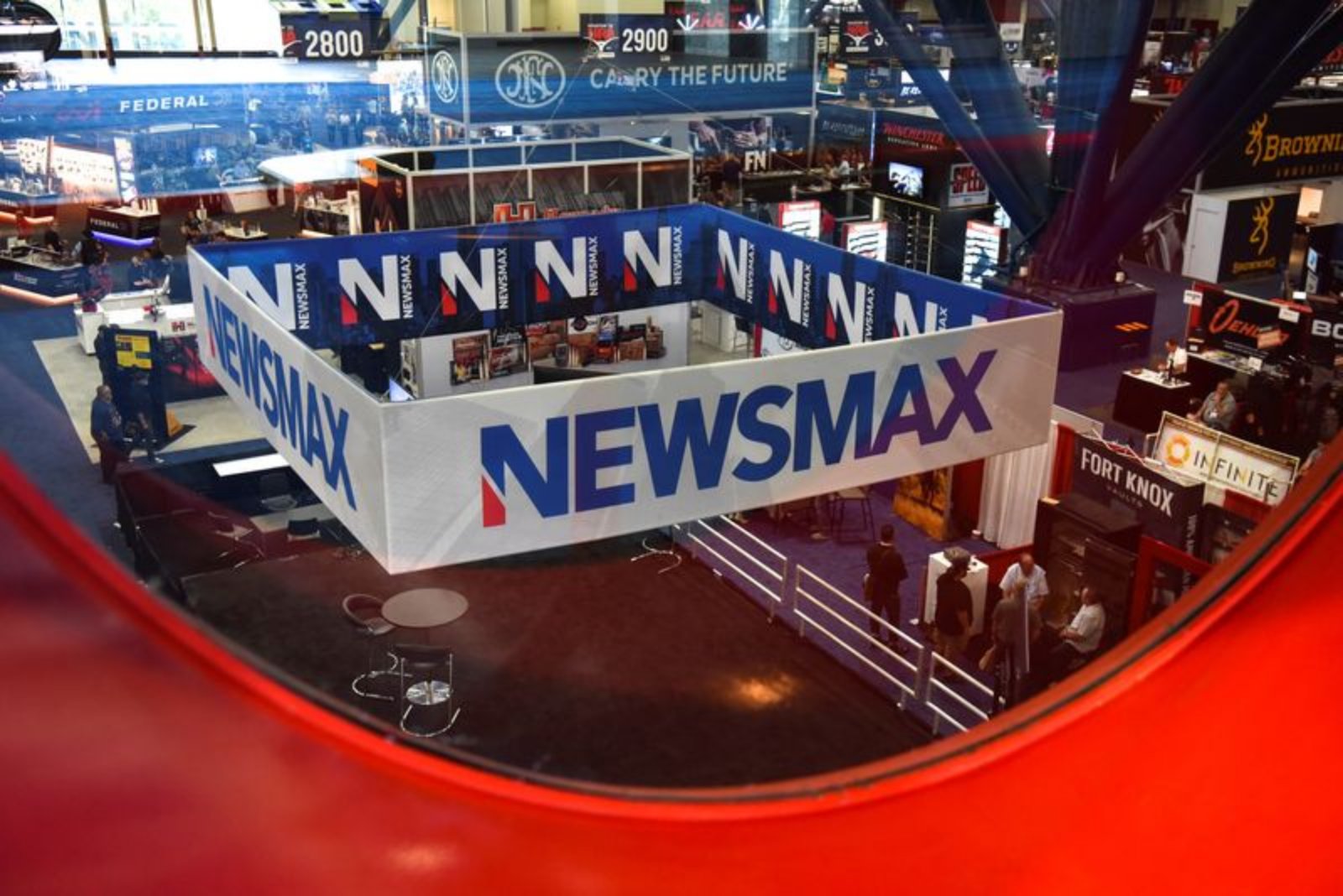
Representatives of broadcast television stations and executives from conservative cable news channel Newsmax are scheduled to make contrasting cases before the committee as they weigh the future of the rule.

Newsmax CEO Chris Ruddy is slated to tell lawmakers the ownership cap "remains one of the last meaningful protections for competition and diversity in the broadcast and cable ecosystem," underscoring the channel's view that the restriction serves to limit concentration of audience reach.

On the other side, the National Association of Broadcasters will press Congress to remove what it calls an outdated constraint. The trade group will tell the committee it is "past time to level the playing field and eliminate this antiquated restriction," and will argue that the cap should not hinder broadcasters' ability to compete for audience, advertising and programming.

The hearing centers on a rule that has governed national television ownership for decades and currently bars any single broadcaster from reaching a share of U.S. TV households above the 39% threshold. Lawmakers will hear testimony articulating how the rule affects broadcasters' strategies, market competition and the distribution of programming.

Both sides will present their positions directly to senators, framing the issue in terms of competition, diversity and the capacity of broadcasters to compete in audience and advertising markets. The session is expected to illuminate the arguments for preserving longstanding limits and for removing them to enable broader consolidation or expansion by broadcast companies.


Context and next steps

The committee hearing represents a formal step in congressional consideration of the national ownership rule. Lawmakers will have the opportunity to question witnesses and assess the competing claims about how the rule influences market dynamics and content availability.

Risks

  • Regulatory uncertainty - Lawmakers' decisions could change the competitive landscape for broadcasters, affecting market concentration and strategies in media and advertising sectors.
  • Content and diversity concerns - Arguments suggest that altering the rule could influence the variety of programming and viewpoints available to viewers, which has implications for broadcasters and cable outlets.
  • Commercial competition - Changes to the cap would affect broadcasters' capacity to compete for audience share and advertising dollars, impacting revenue dynamics in the media and advertising industries.

More from Stock Markets

Moscow Stocks Finish Mixed as MOEX Index Holds Steady Feb 22, 2026 Rolls-Royce Poised to Announce Up to £1.5 Billion Share Buyback Alongside Annual Results Feb 22, 2026 DAE Capital Nears Purchase of Macquarie AirFinance, Sources Say Feb 22, 2026 S&P 500 Shows Signs of Tightening Range; Strategist Sees Potential for a Big Move Feb 22, 2026 Supreme Court to Clarify Reach of Helms-Burton Act in Multi-Billion Dollar Cuba Claims Feb 22, 2026