
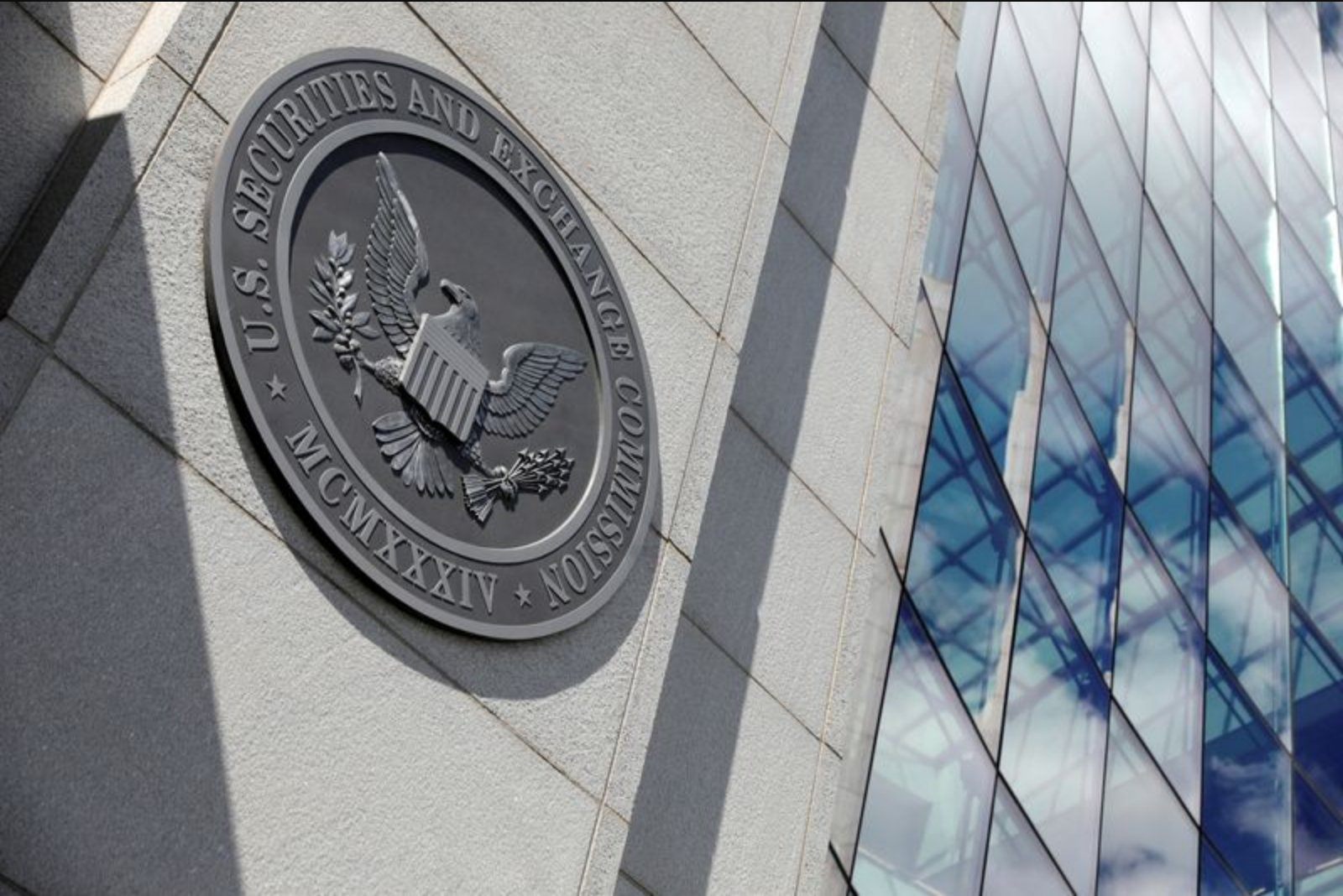
The Securities and Exchange Commission's decision in November to cede its longstanding practice of staff review on no-action requests has altered how shareholder proposals reach corporate ballots, and the repercussions are playing out in courtrooms and corporate proxy statements.
Previously, SEC staff would weigh in before companies rejected shareholder resolutions. The November change granted executives more latitude to determine which proposals appear in mandatory proxy documents distributed ahead of annual meetings. Activists and some investors say the move has introduced procedural uncertainty and weakened a predictable framework for engagement.
"More than anything, this lack of structure and rules is actually just leaving everyone unsure about the best way to move forward," said Giovanna Eichner, shareholder advocate at Green Century Capital Management, a Boston-based asset manager focused on climate-related investment issues.
Critics of the shift warned in November that the policy could dovetail with other steps by Trump-appointed regulators to constrain shareholder-driven environmental, social and governance approaches. Several Republican officials from energy-producing states have criticized ESG initiatives as detrimental to company profits, a dynamic activists cited in stressing the political backdrop to the change.
A person familiar with the agency's internal thinking said the move was partly intended to free up SEC staff time. An SEC spokesman declined to comment.
Litigation has followed the policy adjustment. At least three investor lawsuits have been filed against U.S.-listed companies after they sought to omit shareholder resolutions from their proxies: communications giant AT&T, stun-gun maker Axon Enterprises, and beverage and snack company PepsiCo.
The legal pressure appears to have tempered some corporate use of the newly conferred discretion. Shareholder campaign group As You Sow reported filing 47 proxy resolutions so far this year; companies have exercised the option to exclude up to a half-dozen of those proposals. That level of exclusion approximates the prior year, when companies blocked 8 of 63 resolutions on file.
"Companies have to decide: Do you want to have a good relationship with your shareholders, or do you want to pay your corporate attorneys millions?" said Andy Behar, CEO of As You Sow.
Several specific cases illustrate how the change has played out.
-
PepsiCo told the SEC on January 5 that it would omit a proposal seeking a review of animal-welfare practices within parts of its supply chain, citing procedural grounds including the filer's failure to detail availability for discussions. The filer subsequently sued on February 19, asserting she had offered to meet. The following day, PepsiCo announced it would include the resolution on its proxy. "It was us bringing the lawsuit that forced Pepsi to follow the necessary procedure here," said Asher Smith, attorney for the People for the Ethical Treatment of Animals Foundation, which represented the filer. PepsiCo did not respond to questions.
-
New York City pension funds sued AT&T on February 17 after the company declined to permit a shareholder vote on a request for disclosure of workforce demographic information. About a week later, New York Comptroller Mark Levine, who manages the city's pension assets, said AT&T agreed to settle the suit by allowing the vote, calling it a "major win for investors amid ongoing attempts to undermine transparency and accountability" by corporations. AT&T did not respond to requests for comment.
-
Axon announced plans to omit a shareholder proposal seeking a report on its political contributions, arguing the proposal would "micromanage" its business. The Nathan Cummings Foundation, which filed the proposal, sued Axon in U.S. District Court for the District of Columbia to compel a vote; that case remains pending. Laura Campos, senior director at the foundation, said the suit was necessary for shareholders to protect their right to file resolutions. "When the Securities and Exchange Commission stepped back from providing substantive responses to no-action requests, it left shareholders hoping to preserve their rights with few options for doing so," she said via e-mail. Axon did not respond to questions.
Other companies have taken a different route, choosing to hold votes despite the agency's retreat. On November 7, Starbucks asked to omit a resolution on transsexual healthcare coverage that had been filed by the conservative National Center for Public Policy Research, characterizing the matter as "ordinary business," which can justify exclusion. Rather than use the SEC change to prevent the proposal from reaching investors, Starbucks scheduled the vote for its March 25 annual meeting. The company declined to comment.
The shift in the SEC's role has therefore produced diverse corporate responses: some companies have tested their new discretion and been pulled back by litigation, while others have proceeded to present contested items to shareholders. Activists and investors remain uncertain about the long-term contours of engagement under the new regime and are watching litigation outcomes for guidance on how companies will exercise their proxy-related authority going forward.