
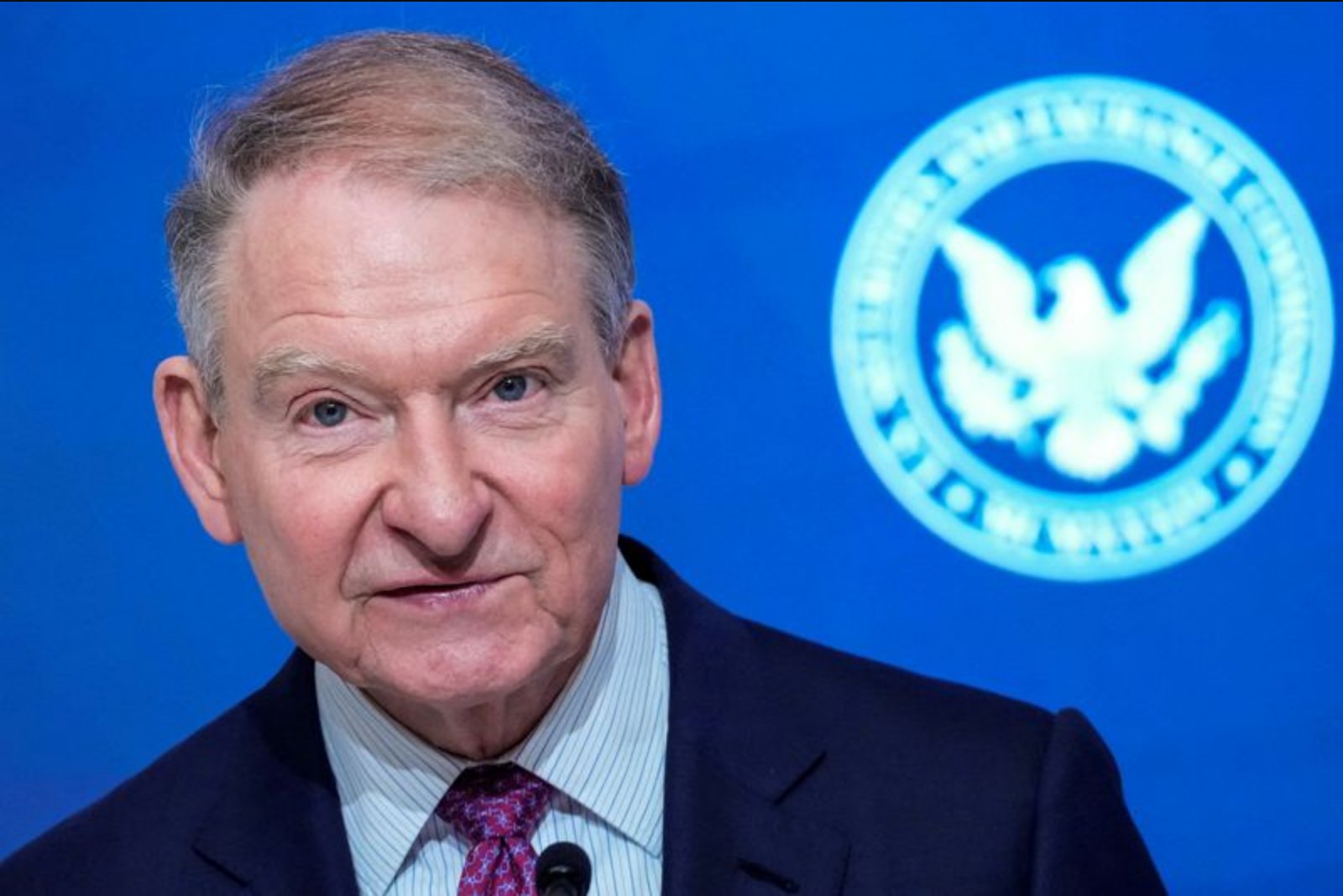
WASHINGTON - The Securities and Exchange Commission is preparing to replace some employees who left the agency during a wave of voluntary buyouts last year, the SEC’s chair told lawmakers on Thursday.
Paul Atkins told the Senate that the agency is aware of shortfalls across multiple divisions and intends to hire to address those vacancies. "We have gaps in different divisions, so we will fill that," he said in testimony.
Atkins also pushed back against assertions from Democratic senators that the SEC has abandoned enforcement actions against crypto companies or entrepreneurs with links to President Donald Trump. He denied that decisions at the agency have been driven by undue political influence.
Following the change in administration last year, President Trump advocated for "large-scale" cuts to the federal workforce as part of the Department of Government Efficiency initiative with former adviser Elon Musk. The SEC responded by offering several rounds of voluntary buyouts, a process that prompted many employees to depart. As of a year ago, that exodus had reduced staffing in some critical parts of the agency by nearly 20%, a decline critics warned could weaken the SEC’s market policing and crisis response capabilities.
Atkins noted that many departures occurred before he assumed his current role. "A lot of these people left voluntarily or through buyouts before I arrived at the SEC, so I’m looking at our numbers of employees, and I think we have a very good group of people in enforcement," he said.
Before Atkins’ arrival, the SEC argued to the White House that the voluntary reductions lessened the need for the kind of across-the-board dismissals implemented at some other agencies, according to an internal memo referenced in testimony. The agency has continued to offer voluntary workforce reduction options since then. The Trump administration has also imposed limits on agencies’ ability to rehire following staffing cuts, complicating agencies’ efforts to rebuild capacity.
Democrats and other critics have alleged that the SEC dropped enforcement actions as a favor to crypto firms that made political donations supporting Trump, who has personal entrepreneurial ties to the crypto space. Atkins did not accept that depiction. He said some enforcement options can be constrained when the president has issued pardons or clemency to individuals, adding: "If the president has pardoned someone or given clemency, then it becomes very difficult."
Atkins further explained that the choices to discontinue certain cases were made by the agency’s acting chair before Atkins was sworn in and largely related to matters involving failures to register securities with the commission. He said those matters raised questions about what policymakers sometimes describe as "regulation through enforcement."
In his Senate remarks, Atkins emphasized both a commitment to rebuilding necessary staffing levels and a defense of the agency’s enforcement posture amid political scrutiny. He framed upcoming hiring as a targeted response to firm gaps rather than a broad reversal of last year’s personnel changes.
Context note: The testimony detailed personnel shifts and enforcement debates at the SEC, reflecting tensions between resource constraints, administrative hiring limits, and political criticism of the agency’s handling of crypto-related cases.