
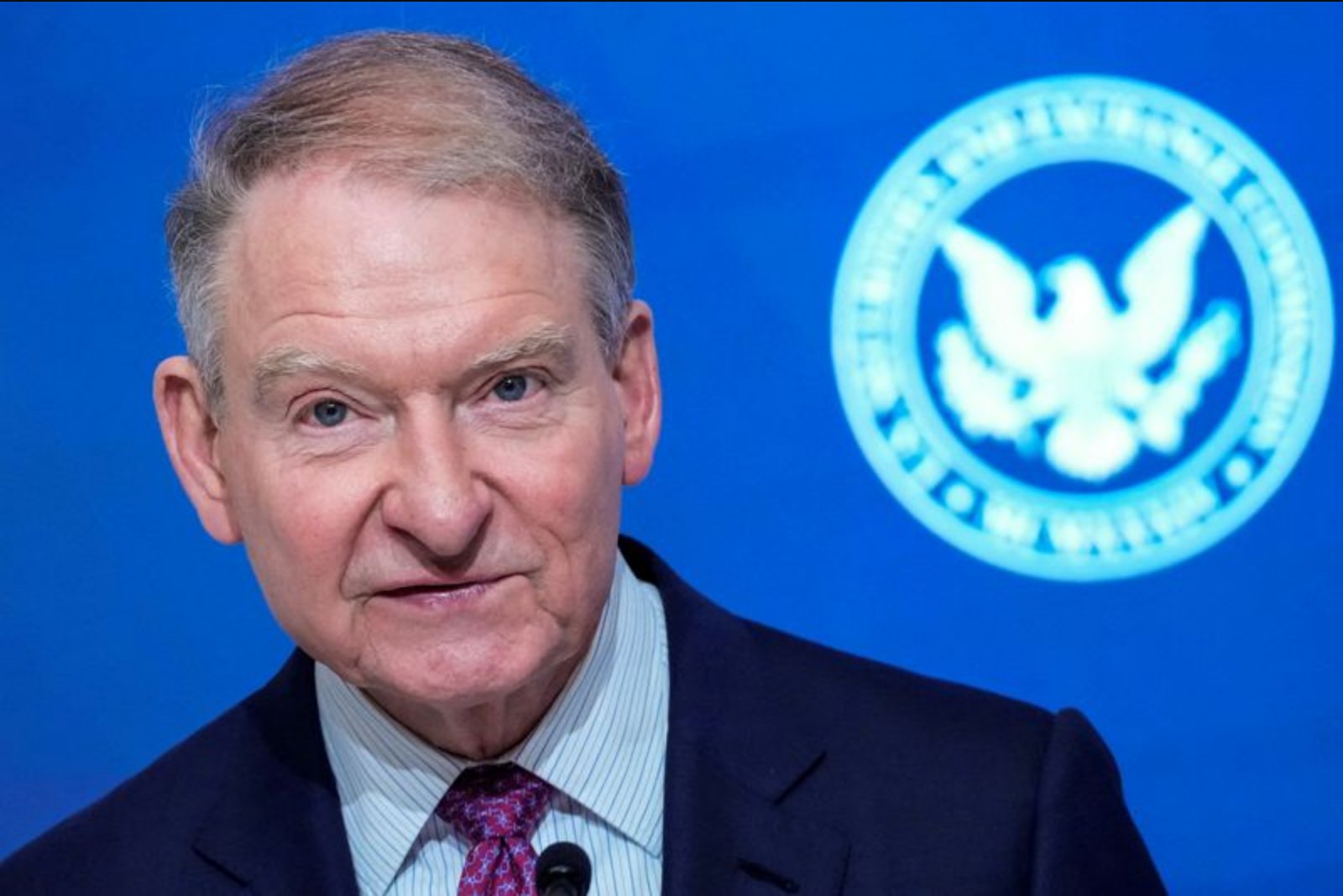
Paul Atkins, chair of the U.S. Securities and Exchange Commission, told senators on Thursday that the agency is working to restore personnel in parts of the agency that were reduced during a wave of voluntary departures last year. "We have gaps in different divisions, so we will fill that," he said in testimony to Congress.
Atkins addressed how workforce reductions took place after the White House pushed for broad federal staffing cuts as part of a Department of Government Efficiency initiative. The administration's effort, which was advanced with input from a former presidential adviser, led the SEC to offer multiple rounds of buyouts. Those voluntary departures produced a staff exodus that, as of a year ago, had thinned several key components of the agency by almost 20%.
Critics argued that those declines could weaken the SEC's ability to police markets and to react to financial crises. Atkins countered that many employees left voluntarily or took buyouts before his arrival at the commission. He said he is reviewing headcount and expressed confidence in the agency's enforcement personnel, stating, "A lot of these people left voluntarily or through buyouts before I arrived at the SEC, so I’m looking at our numbers of employees, and I think we have a very good group of people in enforcement."
The SEC had previously told the White House that the voluntary cuts lessened the need for mass firings of staff, according to a memo mentioned during the exchange. The agency has since continued to offer additional voluntary workforce reductions, even as the Trump administration has imposed constraints on agencies' abilities to rehire following staffing cuts.
Democrats and other critics raised concerns that the agency had dropped enforcement actions against cryptocurrency firms and entrepreneurs who have ties to President Donald Trump and who have given political donations favoring him. Atkins rejected suggestions that the agency was influenced unduly by political considerations.
He acknowledged a separate constraint on enforcement in cases affected by presidential pardons or clemency, saying, "If the president has pardoned someone or given clemency, then it becomes very difficult." Atkins also noted that decisions to discontinue some actions were taken by the agency’s acting chair before Atkins was sworn in. He said those matters largely related to alleged failures to register securities with the commission, a type of case that some policymakers characterize as "regulation through enforcement."
Atkins did not provide additional detail on specific enforcement matters or on timelines for refilling all vacant positions. He emphasized, however, that the SEC plans to address gaps across divisions and maintain a functioning enforcement staff as it moves forward.