
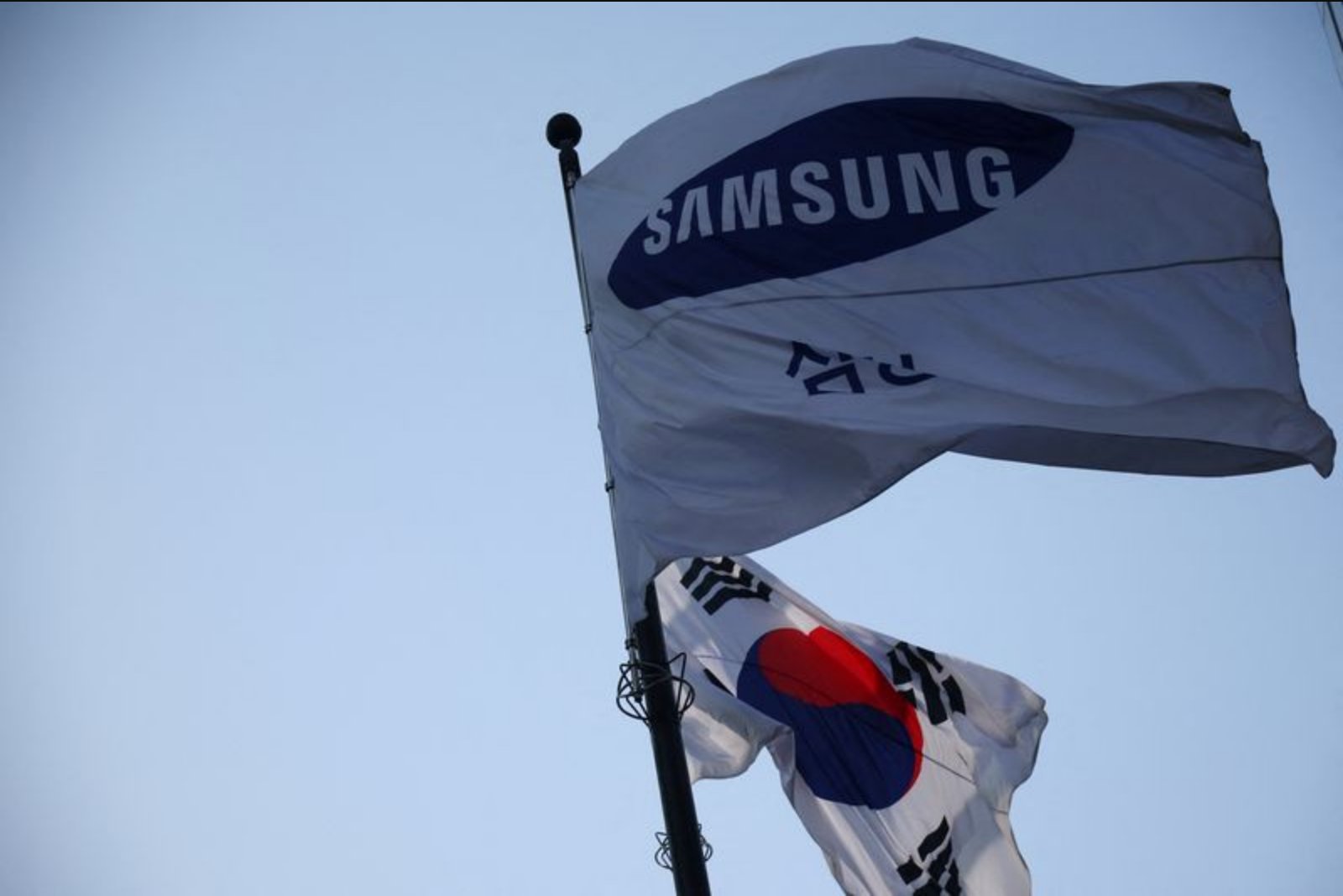
Unionised workers at Samsung Electronics in South Korea have voted to authorise a strike, the union said on Wednesday, intensifying a labour confrontation over bonuses that threatens to disrupt operations at the world's largest memory chipmaker.
Of the 66,019 employees who cast ballots, 93% approved the strike plan, according to the union. The ballot followed the collapse of wage negotiations that began late last year; union members had started casting ballots last week.
The union said that if negotiators fail to reach an agreement, members plan to stage an 18-day strike beginning May 21, following a rally scheduled for April 23. The union described the decisive ballot result as a "strong warning" to management to respond to its demands.
At the heart of the dispute is the union's call for Samsung to eliminate a bonus cap and to tie the company-wide bonus pool to operating profit. The current cap is set at 50% of annual salary. Samsung has opposed removing that limit, saying that lifting the cap would make it difficult to finance future investments and shareholder returns in a capital-intensive, cyclical industry.
In a statement, Samsung said: "We will make our best efforts to conclude the 2026 wage negotiations amicably." The company did not provide further comment about the timeline for talks or potential contingency measures.
The union represents nearly 90,000 workers, which the union says amounts to more than 70% of Samsung's total workforce of 125,000 in South Korea. Union membership has expanded sharply in recent weeks after a surge of interest triggered by SK Hynix accepting its union's demand for compensation reforms last September, the union said.
Analysts warn that the demand to abolish the bonus cap presents a difficult negotiating point. Sohn In-joon of Heungkuk Securities said removing the cap could widen the pay gap between businesses focused on chips and other Samsung divisions such as phones and televisions, which are expected to face sluggish earnings due to competition and rising chip prices.
Industry watchers and the union caution that a strike at Samsung could exacerbate existing bottlenecks in the global semiconductor supply chain. Robust demand for artificial intelligence data centre operations has tightened supplies, contributing to shortages that affect sectors ranging from automobiles and computers to smartphones.
Samsung also relies heavily on production within South Korea. Researcher Counterpoint data cited by the union indicates Samsung makes 100% of its DRAM chips domestically and produces two thirds of its NAND chips at home. That concentration of manufacturing could amplify the impact of any work stoppage on global memory supplies.
The union said it sees the ballot result as a mandate to press its demands in negotiations. Samsung expressed willingness to continue talks but reiterated concerns about the financial flexibility needed to support capital spending and shareholder returns.
Summary
Unionised workers at Samsung Electronics authorised a strike with 93% of 66,019 ballots in favour. If no agreement is reached, the union plans an 18-day strike starting May 21 after a rally on April 23. The dispute focuses on removing a 50% bonus cap and linking bonuses to operating profit, and poses potential risks to global memory chip supplies amid strong AI-related demand.
Key points
- 93% of 66,019 employees who voted approved a strike authorisation, according to the union.
- The union plans an 18-day strike from May 21 if negotiations do not produce a deal, with a rally set for April 23.
- Samsung’s heavy reliance on South Korean production - 100% of DRAM and two thirds of NAND made domestically - could magnify supply impacts if a strike occurs.
Risks and uncertainties
- Negotiations hinge on abolishing a 50% bonus cap - a contentious issue that the union says is central to its demands and that Samsung says would strain investment and shareholder return plans. - Affects corporate finance decisions and capital allocation.
- A strike could deepen chip supply bottlenecks amid strong demand from AI data centres, squeezing downstream industries including automotive, computing and smartphones.
- The union represents nearly 90,000 workers, more than 70% of Samsung’s South Korea workforce, raising uncertainty about the scale and duration of any work stoppage if talks fail.