
Shares of Samsung Electronics climbed to a record high on Monday, extending strong gains from the previous week after media reports linked the company to an exclusive supplier role for memory chips used in Nvidia's advanced processors.
Samsung's stock rose by more than 3% to hit a fresh peak of 197,600 won, a move that contributed to a 1.3% advance in the KOSPI index. Rival SK Hynix also rallied, jumping 2.4% and reaching its own record level.
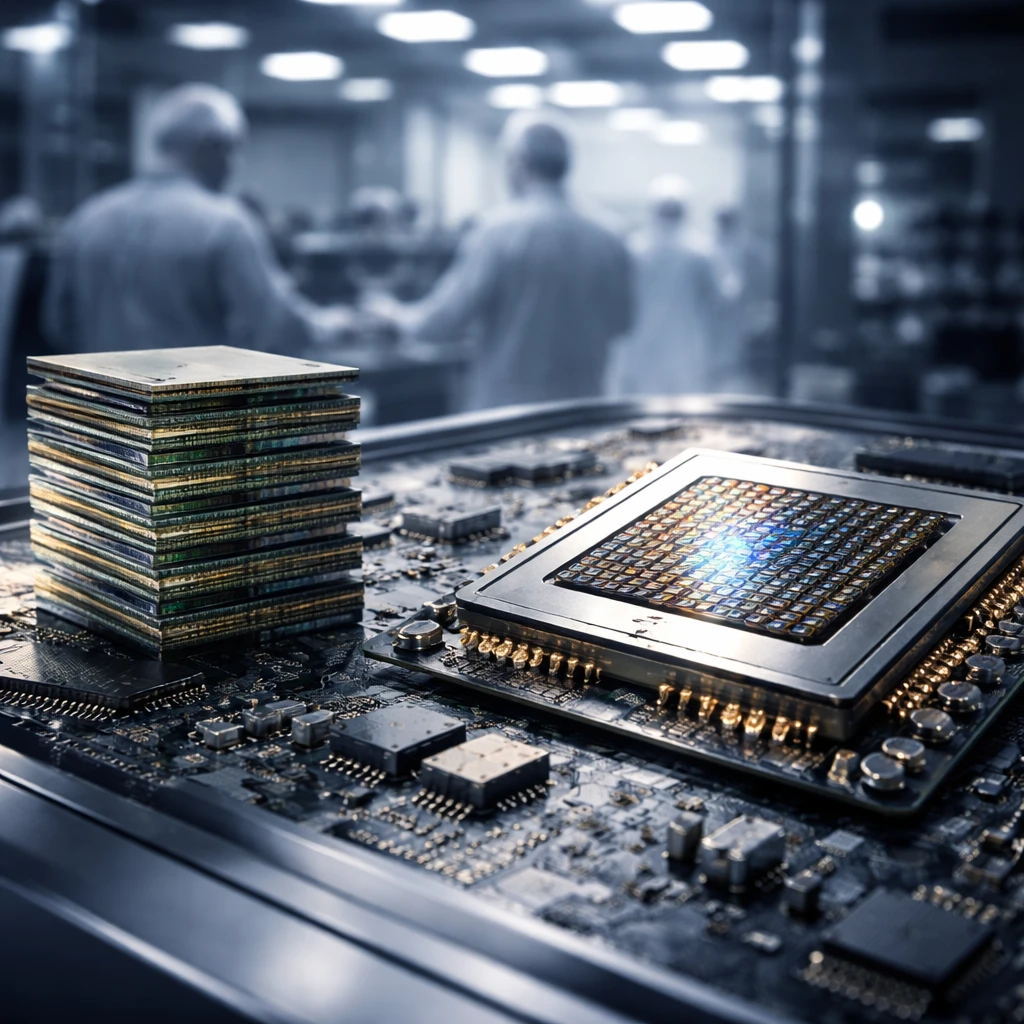
Market attention intensified following Samsung's announcement that it has begun both mass production and shipments of advanced high-bandwidth memory, known as HBM4. The company is effectively the first chipmaker to start large-scale production of HBM4, placing it ahead of competitors such as Micron Technology and SK Hynix in this specific technology.
That development, combined with a report from a South Korean news outlet that suggested Samsung could serve as the exclusive supplier of HBM for the top end of Nvidia's forthcoming next-generation Vera Ruben processors, underpinned the latest share-price move. The media report was cited as a catalyst for the sharp gains in the chipmaker's stock.
HBM is a critical component in artificial intelligence processors, and the memory segment has benefited from elevated AI-driven demand in recent years. Industry participants named in recent reporting had signaled expectations of supply shortages heading into 2026, a dynamic that, alongside robust AI demand, has helped push memory-chip prices higher in recent quarters and pointed to improved margins for major producers.
Investors responded to the combination of Samsung's production milestone and the supply speculation, bidding up shares of companies tied to advanced memory production and helping lift the broader market in South Korea. The moves reflect both the market's sensitivity to supply developments in AI components and the immediate impact of supplier-related reports on equity prices.
Context and market response
Samsung's position as an early mover in HBM4 production, the report linking it to high-end Nvidia processors, and recent warnings about memory supply shortages together have contributed to the recent price strength among major memory-chip producers and to gains in the KOSPI index.