
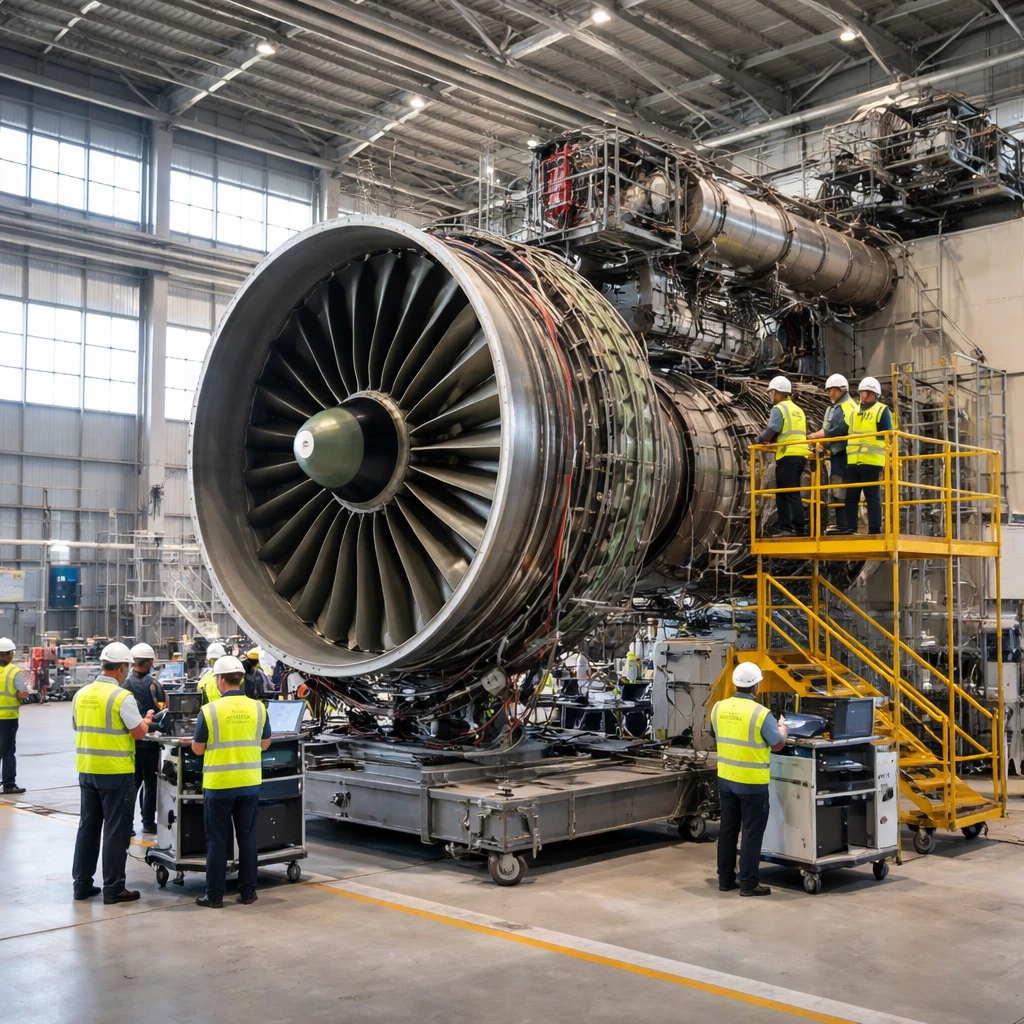
Rolls-Royce Holdings Plc is asking the British government to commit public funds to the development of a new aircraft engine as it looks to re-enter the short-haul market. The company is seeking help to advance a demonstrator for the UltraFan 30 engine, a programme estimated to cost roughly £3 billion in total.
Executives have requested an initial sum between £100 million and £200 million to cover development and testing of the demonstrator phase. Chief Executive Tufan Erginbilgiç has held talks in recent weeks with Business Secretary Peter Kyle as the firm aims to secure a funding commitment within the first half of the year.
Discussions between the aerospace group and government officials have been underway since last year over potential subsidies to take a fully certified engine to production readiness. Rolls-Royce has told officials it wants clarity on public support early in the programme timeline so it can plan development activity accordingly.
Several routes for government involvement are being examined. Options under consideration include support through the Aerospace Technology Institute, the National Wealth Fund or so-called launch aid. Officials have also discussed the possibility of the government taking an equity stake in the project.
Rolls-Royce said it was engaged in "constructive discussions with the government about how we can work in partnership to realise this opportunity."
People involved in the talks have highlighted complications in some funding channels. Using Aerospace Technology Institute funding could prove "tricky" because other aerospace groups with major UK operations - including Airbus and Safran - have competing claims on those resources. Separately, Germany, where Rolls-Royce has substantial operations, has also expressed interest in supporting the project.
The UK Department for Business and Trade has said it values the company's role in supporting high-skilled jobs. Officials and company representatives continue to explore the appropriate structure and timing of any public contribution.
Rolls-Royce currently supplies engines for long-haul, wide-body aircraft and exited the narrow-body segment more than a decade ago. The narrow-body market is dominated by aircraft such as the Airbus A320 and the Boeing 737 MAX, which account for the majority of global aircraft deliveries by volume.
As talks progress, the company is seeking to align technical development plans with the availability and structure of any government support, while ministers weigh competing demands for public aerospace funding.
Clear summary
Rolls-Royce wants £100 million to £200 million in initial UK government funding to support development and testing of an UltraFan 30 demonstrator within a programme forecast to cost about £3 billion, and is pursuing several funding routes while engaging with ministers and officials.