
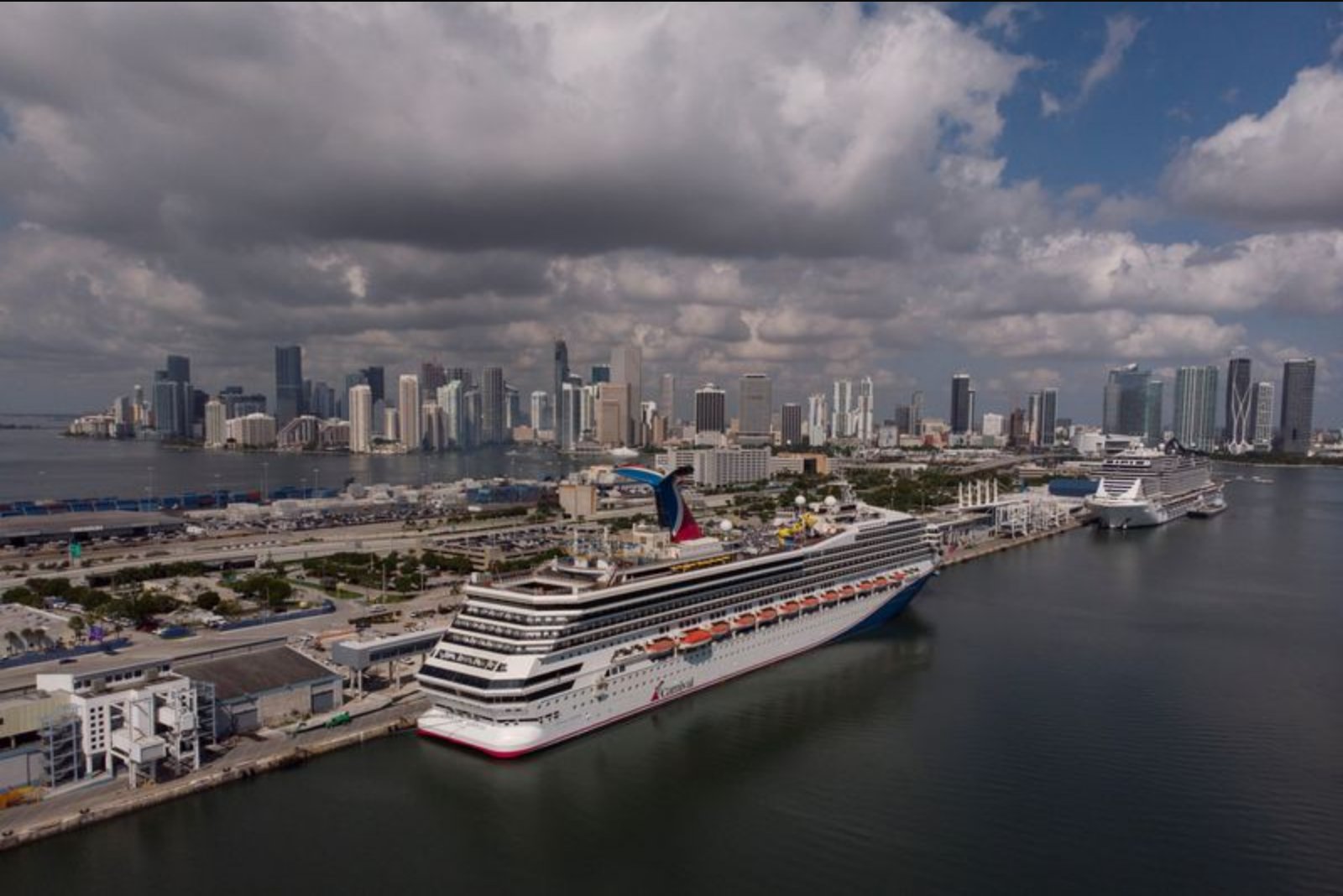
Global oil market volatility has translated into rising fuel expenses for cruise companies, and analysts warn the consequences could be most acute for Carnival Corp. Industry filings and analyst calculations show that Carnival would suffer the largest absolute hit to 2026 net income from a uniform change in fuel costs because it does not employ fuel hedging on the same scale as other major U.S. lines.
Since the outset of the conflict in Iran, oil benchmarks have climbed sharply, rising by more than 35%. Brent futures recently moved above $100 per barrel, versus $72.48 before the conflict began. Iran has cautioned that prices could escalate to as much as $200 a barrel. Those moves have pushed the cost of marine fuels - including heavy fuel oil and marine gas oil used by cruise ships - higher and more volatile.
Hedging is a common mechanism cruise operators use to fix fuel costs through financial contracts and shield results from abrupt swings. Carnival, however, does not follow that conventional approach among the large U.S. cruise companies. Company filings and analyst sensitivity estimates indicate that a 10% change in fuel cost per metric ton would lower Carnival’s 2026 net income by $145 million. By comparison, Royal Caribbean’s 2026 net income would be reduced by $57 million under the same sensitivity.
Norwegian Cruise Line has said it had not updated its fuel hedges since its early March earnings release. Norwegian estimates that a 10% fuel cost move would reduce full-year earnings per share by seven cents - a change that Morningstar Research translates into roughly a $90 million decline in net income.
Analysts point to Carnival’s historical experience when oil spiked in 2022 following the outbreak of the Ukraine conflict. At that time Carnival’s fuel expenses comprised 17.7% of total revenue, exceeding the shares for Royal Caribbean at 12.1% and Norwegian at 14.2%. In part because Carnival operates a larger fleet, its absolute fuel consumption and related costs have been higher than those of some peers.
CFRA analyst Alex Fasciano noted that during the 2022 oil spike Carnival’s fuel costs climbed more quickly than those of rivals. A Carnival statement emphasized its operational emphasis on reducing fuel consumption rather than locking prices through hedges. The company said it has reduced fuel use by 18% since 2011 while expanding capacity by roughly 38% over the same period, and it indicated it does not see a long-term net benefit from hedging.
Market timing compounds the cost challenge. The industry’s traditional "wave season" - the busiest booking window between January and March when operators advertise special rates and promotions for the year - coincides with the current price shock. That leaves pricing and margin outcomes in a period of heightened booking activity potentially vulnerable to consumer reaction to energy-market developments.
Major operators tend to allocate much capacity to Caribbean and transatlantic itineraries. None of the companies had ships deployed in the Middle East when the conflict began, which limits direct operational exposure to the region. Nonetheless, analysts warn that geopolitical-driven price shocks can affect consumer confidence and buying decisions even without immediate operational disruptions.
Barclays analyst Brandt Montour observed that although operators have zero direct exposure to the Middle East in terms of deployed ships, the shock to oil markets could nevertheless increase hesitation among consumers making booking decisions, especially U.S. travelers considering overseas trips. Goldman Sachs analyst Lizzie Dove highlighted the potential for a drag on American bookings to Europe, particularly transatlantic voyages that typically command higher prices and generate a disproportionately large share of cruise operators’ income. Those transatlantic sailings are often scheduled during the third quarter.
Carnival is slated to report first-quarter results on Friday. Royal Caribbean did not respond to a request for comment. Norwegian provided its hedging position and profit impact guidance through statements referenced above.
Contextual notes: The financial sensitivities and percentage figures cited above are drawn from company filings, analyst commentary and research calculations provided to market participants. They reflect the estimated impact of a uniform 10% change in fuel cost per metric ton on operating results and are intended to illustrate relative exposure among the major operators.