
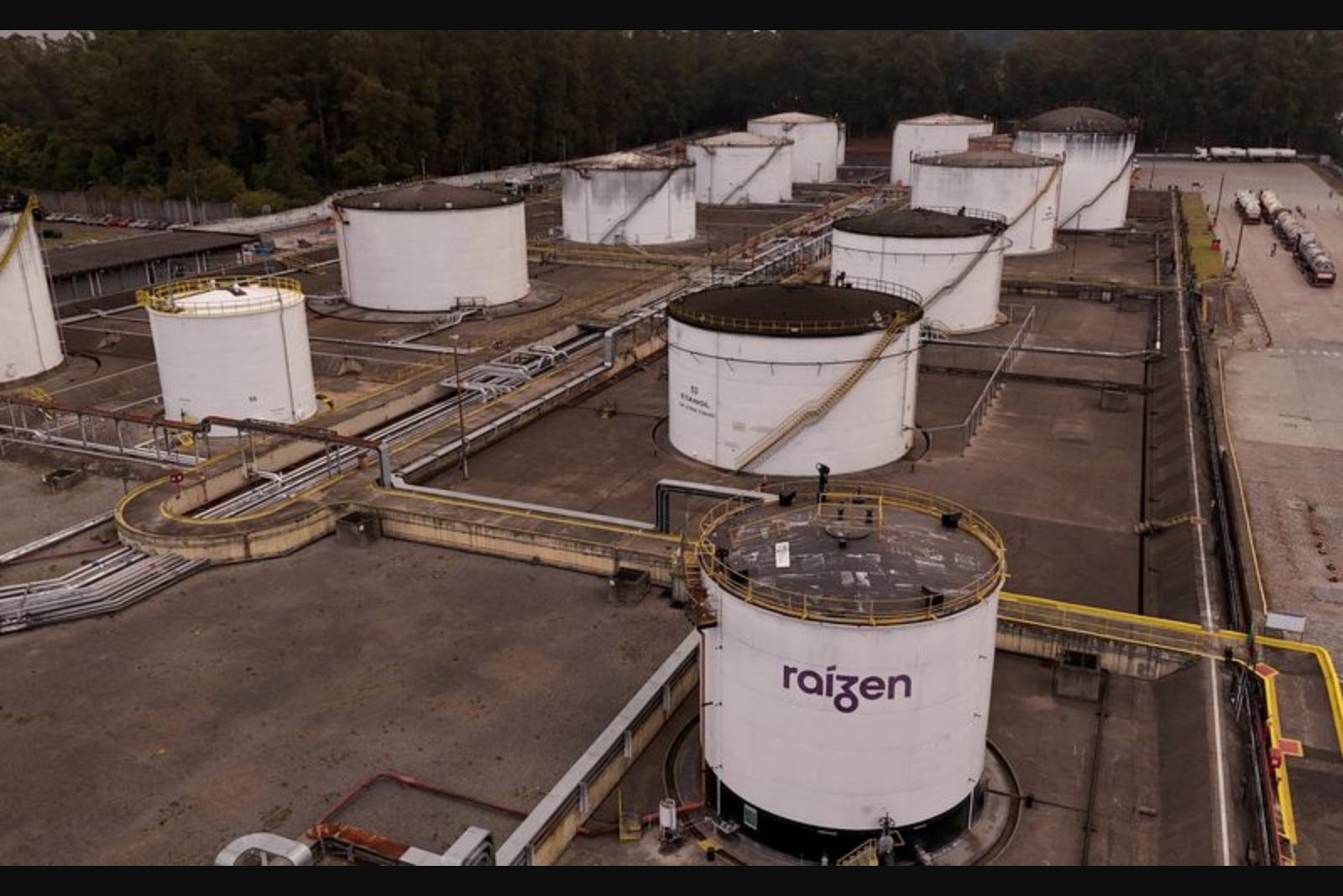
Talks aimed at shoring up Raizen, Brazil’s largest sugar and ethanol producer, have ended without an agreement after co-owners and potential investors failed to settle on a capital-raising plan, according to people familiar with the matter. The discussions collapsed as stakeholders were unable to bridge differences over funding commitments and proposed terms.
Earlier commentary from Shell’s Brazil chief executive indicated that the company planned to commit 3.5 billion reais to Raizen and had expected another shareholder to provide a matching 3.5 billion reais infusion. Those sums were presented as the prospective foundation of a recapitalization effort intended to stabilize the company’s finances.
Cosan, however, informed other parties that it could not match the level of financial support Shell had signalled. Some of Cosan’s alternative proposals were reportedly rejected by Shell, leaving the co-owners at an impasse.
Private equity funds overseen by Banco BTG Pactual, which had been involved in the discussions, also declined to participate. Those funds disagreed with several terms put forward by Shell and opted not to inject capital into Raizen under the proposed arrangements.
Requests for comment were not answered immediately by Raizen, Cosan or Shell. The details of the failed negotiations have not been independently verified and remain subject to confirmation.
Financial backdrop
Raizen reported a quarterly net loss of 15.6 billion reais in its most recent results and warned of "significant uncertainty" about its ability to continue operating. The company’s net debt rose to 55.3 billion reais at the end of December. Management attributed the deterioration in part to heavy investments and to operational setbacks driven by erratic weather and wildfires, which contributed to weaker harvests and reduced crushing volumes.
For reference on currency conversion included in prior reporting, $1 was equivalent to 5.2810 reais.
The collapse of the talks leaves Raizen reliant on its existing liquidity profile and the willingness of shareholders or other investors to propose revised terms. With elevated leverage and recent operating losses, the company faces a period of pronounced financial and operational uncertainty.