
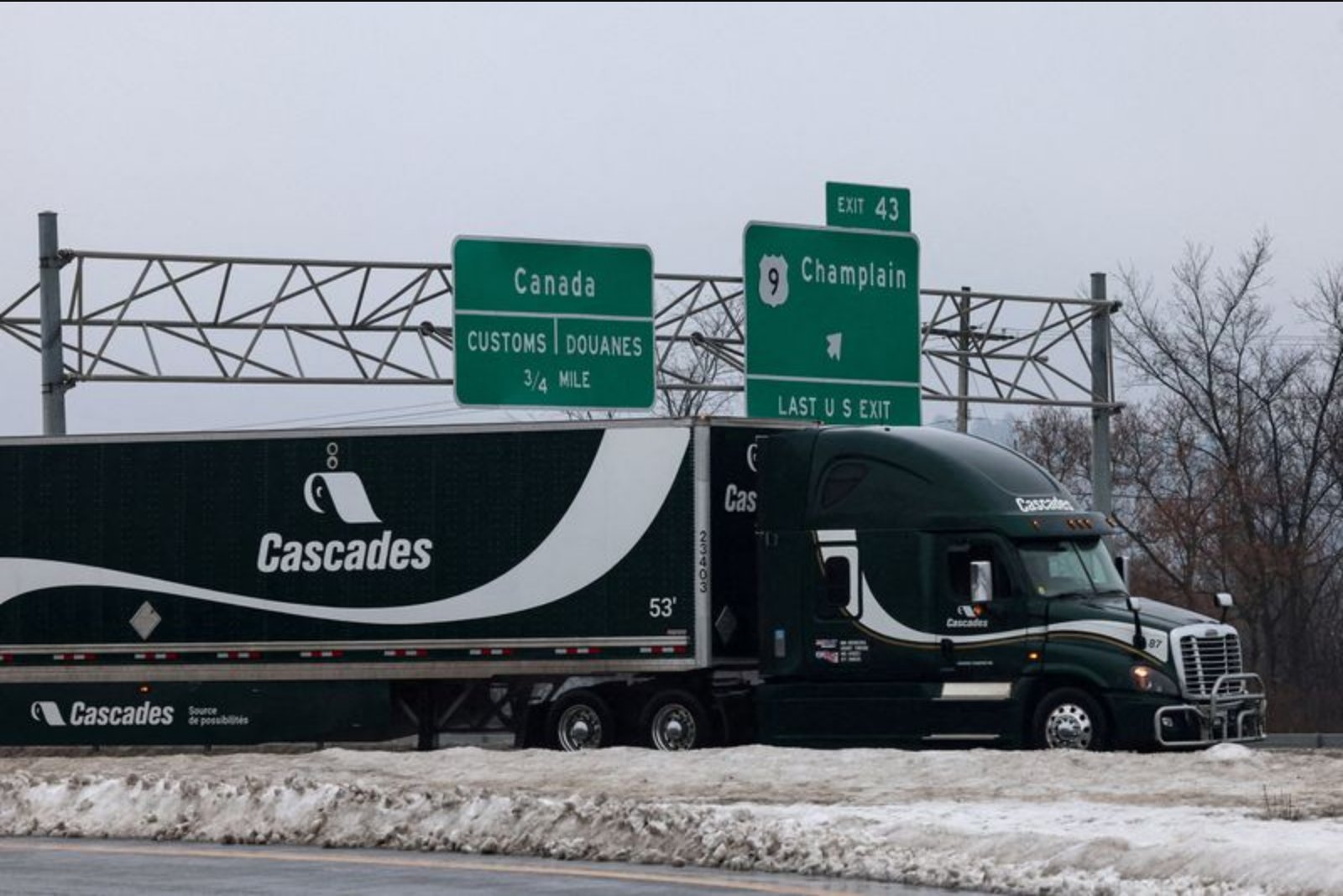
U.S. freight railroads are making moves to win back cargo that shifted to highways in recent years as trucking capacity tightens and spot truck rates rise. Carriers such as CSX Corp, Union Pacific and BNSF are preparing to capture profitable truckload freight that may once again favor rail under the current market conditions.
Freight broker C.H. Robinson has flagged a shrinking pool of trucking capacity, attributing part of the decline to small carriers leaving the industry and to heightened federal scrutiny around driver licensing, safety and insurance. Those pressures are reducing the available driver supply and increasing operating costs for road carriers, a dynamic that has pushed national van spot rates higher. According to DAT Freight & Analytics, the benchmark for spot pricing, national van spot rates rose to $2.43 per mile in February from $2.03 per mile a year earlier. Railroads do not release standardized spot-rate metrics, which complicates direct price comparisons between modes.
Analysts say these shifts bolster rail’s hand, particularly in intermodal markets where containers move seamlessly between ships, trucks and trains. "A tightening truckload market has the potential to support domestic intermodal volumes and pricing, particularly on shorter average length-of-haul routes where competition with over-the-road trucking is typically most intense," said Fadi Chamoun, an analyst at BMO Capital Markets.
Intermodal traffic is a key competitive front between the rail and trucking sectors. Chamoun highlighted that eastern railroads, notably CSX and Norfolk Southern, could see outsized benefits because they carry a larger share of intermodal business through densely populated corridors.
CSX said converting freight away from trucks remains central to its intermodal strategy. After a period in which highway capacity outstripped demand, the company now sees prospects to secure profitable volumes. CSX said it is expanding terminal capacity and collaborating with port authorities to develop inland hubs that bring freight closer to final markets.
Union Pacific's finance chief, Jennifer Hamann, told investors at a Barclays conference that the company expects roughly 75% of its new business growth to come from freight shifting off highways. Union Pacific also noted that its pending acquisition of Norfolk Southern, which the company says would create the first coast-to-coast rail network, could ultimately remove about 2 million trucks from U.S. roads.
Berkshire Hathaway-owned BNSF described investments in terminal expansions in Chicago, Dallas-Fort Worth and Phoenix as preparation for a potential freight rebound. Jon Gabriel, group vice president of consumer products at BNSF, said both new shippers and longstanding customers are increasingly relying on rail for capacity, cost advantages and sustainability attributes. He pointed to corridors such as Los Angeles to Chicago as drivers of expected growth from freight moving off highways.
Some industry participants see the tightening as more than a short-lived seasonal effect. Drew Roy, director of intermodal at freight broker Traffix, said what initially looked like seasonal capacity compression may be a deeper shift. "A few weeks ago I would have said this was seasonal. But with the loss of CDL drivers across the U.S., I think we’re seeing a structural shift," he said, noting that capacity began tightening in mid-January when winter storms hit and spot rates rose.
Roy noted that intermodal rail typically needs about a 15% cost advantage to win freight from trucking. As truck rates climb, he said rail becomes competitive on more lanes, including hauls as short as 750 miles. Yet he also cautioned that freight markets are cyclical. If truck capacity loosens again, pricing power could swing back toward the highways.
The current market backdrop has prompted railroads to prepare infrastructure and outreach to shippers. Investments in terminal expansion and inland port development are central to carriers’ plans to capture freight that becomes less economical to move by truck. Executives point to capacity constraints, rising driver-related regulations and higher spot rates as the immediate drivers of the shift, but they acknowledge that the competitive balance could change as trucking market dynamics evolve.
Should investors be looking at CSX specifically? Promotional services referenced by some market publications claim their models evaluate CSX among many companies and note prior winners, but readers should consider the broader industry context and the cyclical nature of truck-rail competition when weighing such assessments.
Key takeaways
- Thinning trucking capacity and rising spot truck rates are improving rail's competitiveness for intermodal and domestic freight.
- Eastern railroads with heavy intermodal exposure, including CSX and Norfolk Southern, could see outsized gains in densely populated corridors.
- Railroads are investing in terminals and inland hubs to capture highway freight, while acknowledging the potential for cyclical reversal.
Sectors impacted: Transportation, logistics, intermodal freight, trucking and supply-chain services.
Risks and uncertainties
- The trucking market is cyclical - if truck capacity expands and spot rates decline, railroads could lose pricing leverage and volumes that recently shifted back to rail.
- Regulatory scrutiny and changes to driver licensing, safety and insurance requirements are cited as current causes of reduced truck capacity; changes in enforcement or regulation could alter these pressures and impact driver supply and operating costs.
- Railroad investments in terminals and inland hubs assume sustained demand for intermodal services; if demand weakens, those capital projects may not deliver expected returns.
Promotional note included in original reporting: Some market services reference automated strategies that evaluate stocks like CSX using multiple financial metrics and historical performance examples, but readers should judge investment decisions against the full industry context.