
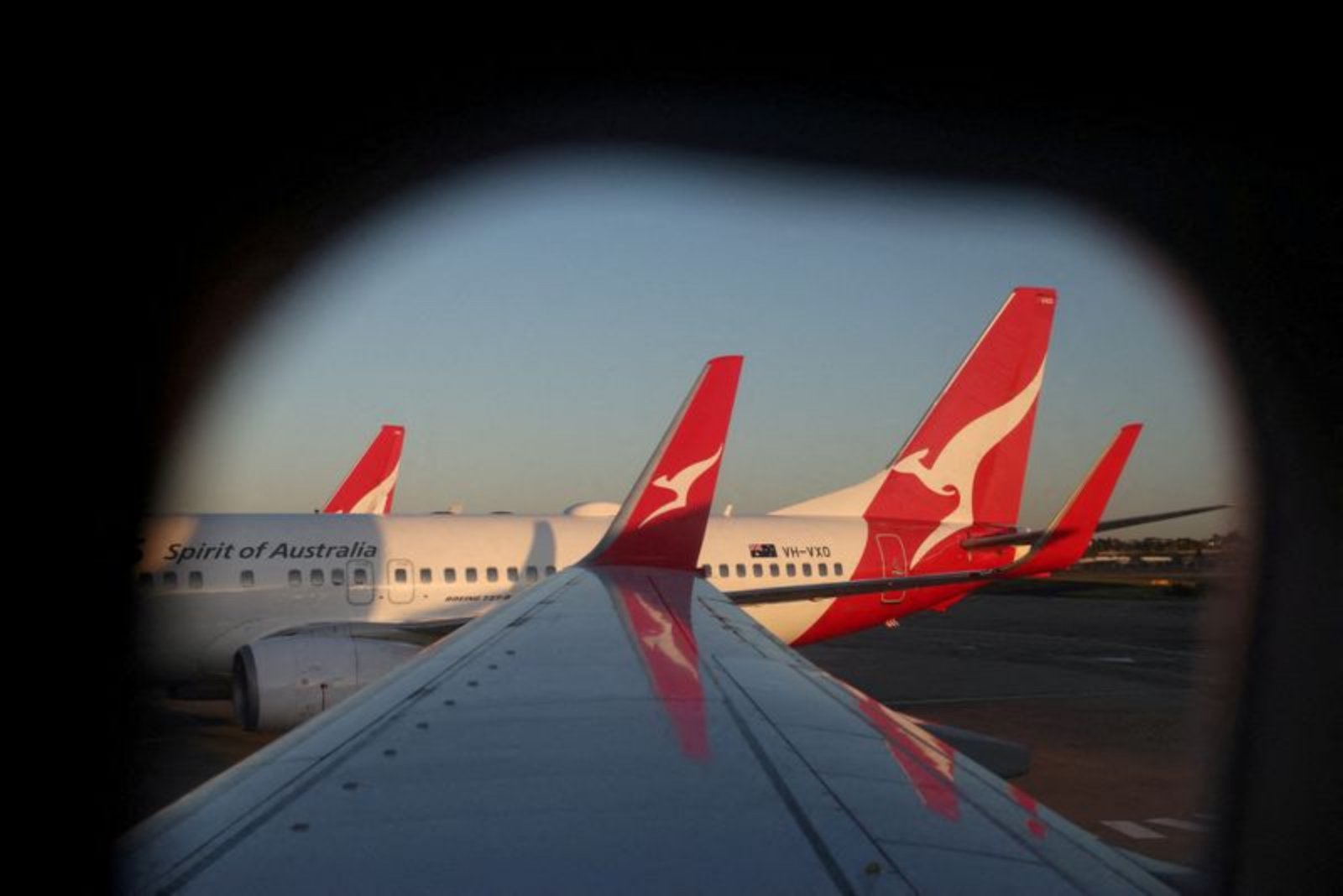
March 10 - Qantas Airways said on Tuesday it will increase ticket prices across its international network this week in response to a marked rise in jet fuel costs tied to the conflict in the Middle East.
In a statement provided by email, the Australian flag carrier also said it is assessing options to add capacity to its current Europe routes in the months ahead. Qantas indicated that the recent geopolitical escalation - described in the statement as a U.S.-Israeli war on Iran - has pushed oil prices higher, creating significant disruption for global travel markets.
Airfares on Asia-Europe corridors have already surged, Qantas said, a development it attributed to closed airspace and constrained capacity. Those conditions have contributed to rapid increases in operating costs for carriers and to higher prices for passengers.
Qantas noted its European flights are operating as scheduled and reported strong demand for March travel. The airline said load factors on its European services were above 90% in March, roughly 15 percentage points higher than typical for this period of the year.
The carrier added that an observable shift in routing preferences has emerged among its customers. More passengers have been electing to travel to Europe via intermediate points such as the United States, other Asian cities, and Johannesburg, connecting through Qantas’ partner airline network.
Given those routing changes and the elevated occupancies on its Europe flights, Qantas said it is exploring the redeployment of capacity into Europe on existing routes over the coming months.
Context and market reaction
The airline’s announcement came on the same day that rival Air New Zealand disclosed broad ticket price increases, one of the earliest carriers to implement fare hikes since the onset of the conflict. Qantas framed its action as a direct response to rapidly rising jet fuel costs and to market conditions that have tightened available seats on major international corridors.
Implications
- Rising jet fuel costs are prompting carriers to pass some of the increase through to passengers via higher fares.
- Airspace closures and capacity constraints are contributing to already elevated prices on long-haul routes, notably between Asia and Europe.
- Shifts in routing — including increased use of connecting points such as the U.S., other Asian hubs, and Johannesburg - are affecting network planning and capacity allocation.