
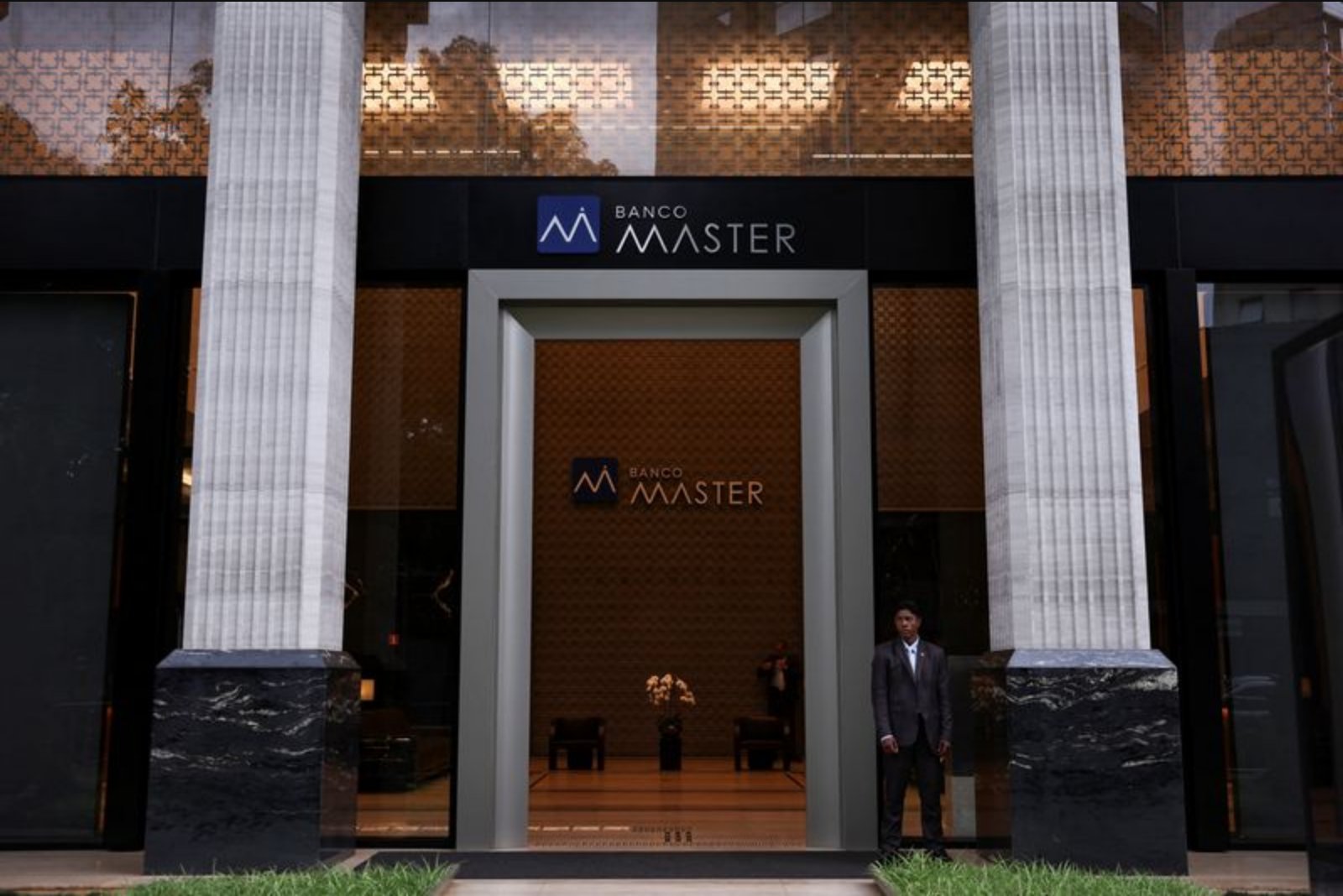
Newly disclosed communications and a federal police operation have intensified an inquiry into the collapse of Banco Master by alleging that two senior supervisors at Brazil’s central bank provided private regulatory guidance to the bank’s owner, Daniel Vorcaro. Authorities say the exchanges - captured via court-authorized access to cellphone records - indicate the officials offered tips and advice while serving in senior supervisory roles, and that Vorcaro may have tried to funnel payments to them through phony consulting arrangements.
The case has evolved from an initial probe of irregularities in Banco Master’s loan book into a broader investigation that now touches public pension funds, a state-owned bank, and a web of influence surrounding Vorcaro. The banker, who owns the now-liquidated institution, was detained this week as police pursued allegations he bribed former central bank director Paulo Sergio Neves de Souza and ex-head of the banking supervision department Belline Santana. He is also accused of plotting to intimidate and attack individuals he believed were acting against his interests with an associate he allegedly nicknamed "Sicario," a reference to cartel-style hit men, with targets that reportedly included former staff, domestic workers and members of the press.
For months, the investigation has widened beyond its original focus. Authorities first examined potentially fraudulent loans at Master; subsequent lines of inquiry have drawn in other financial actors and senior officials. The lender’s closure by the central bank last November had initially been seen as a decisive regulator action, reinforcing a perception of the bank as an institution insulated from political pressures. That view has been shaken by the latest allegations.
Federal police, acting on judicial authorization, said messages indicate the two ex-officials - Souza, who served on the central bank board and its rate-setting committee, and Santana, the former head of banking supervision - provided Vorcaro with regulatory guidance. Investigators allege those communications also point to attempts by Vorcaro to legitimize sham service contracts via consulting firms, which prosecutors say were used to move funds to the officials. The court order that enabled recent police actions cited these messages as part of the evidence.
Both Souza and Santana stepped down from their senior posts in January amid an internal central bank probe but remained career employees until a court order this week suspended them. A formal firing would require a separate administrative process. Attempts to reach the two men or their legal representatives were unsuccessful at the time police released their findings. The central bank declined to discuss the reputational implications or regulatory decisions tied to the officials; it issued a statement saying the federal police inquiry is important for clarifying facts and that any proven violations will face the legal sanctions appropriate under the law.
Voices inside the regulator describe the revelations as deeply unsettling. One person with direct knowledge of the probe called the conduct "absolutely unacceptable, absurd and horrifying," while noting that the institution’s formal decision-making apparatus ultimately reached the correct regulatory outcome. Another source said the central bank was sluggish in addressing Banco Master’s deterioration - both in restraining its activities and in moving to liquidate it - and that assessments passing through Souza and Santana may have minimized the severity of the bank’s problems, delaying actions that might otherwise have been taken sooner.
Those concerns feed into a broader criticism: that the regulator possibly allowed the lender’s risks to fester. An internal narrative among some officials and outside observers has been that the central bank was slow to rein in Master and slow to proceed to liquidation. Yet others caution the misconduct uncovered so far appears to reflect individual wrongdoing rather than a systemic institutional failure, and they point to central bank internal reviews that helped produce leads now being pursued by police and prosecutors.
Souza’s career at the central bank dates back to 1998. He was appointed to the bank’s board during the administration of former President Michel Temer and remained through the subsequent administration into early months of President Luiz Inacio Lula da Silva’s current term, departing the board in July 2023. During nearly six years on the Copom rate-setting committee - from 2017 to 2023 - Souza oversaw banking supervision while Banco Master expanded rapidly under Vorcaro.
Banco Master itself traces part of its recent history to a rebranding; before Vorcaro's 2017 acquisition it had been known as Banco Maxima and already appeared on the central bank’s confidential watchlist for institutions with risky lending practices that did not fully respect selectivity, liquidity and guarantees. The go-ahead for Vorcaro to assume control of the rebranded bank arrived in 2019 under then-governor Roberto Campos Neto.
Sources familiar with Vorcaro’s relationships in Brasilia say he benefited from influential political ties that allowed him to portray the bank’s aggressive, high-yield strategy as pro-competitive. Although the lender accounted for less than 1% of Brazil’s banking assets, its collapse last November amid a cash crunch and alleged mismanagement has had outsized financial consequences. The Credit Guarantee Fund - known by its Portuguese acronym FGC - has paid about 40 billion reais, roughly $7.7 billion at the exchange rate cited in court filings, to cover retail investors’ claims, representing nearly a third of the fund’s available resources at the time. That bill later rose as liquidity interventions for other institutions under the FGC umbrella were settled.
The FGC is financed by required contributions from banks, with the largest lenders expected to shoulder most of the burden. In a measure that eased immediate pressures on banks, the central bank this week allowed 30 billion reais in reserve requirements - funds that would normally be held at the regulator - to be redirected this year to the FGC.
Within Brasília, reactions have been varied. Current and former central bank staff expressed shock and sadness at the allegations against colleagues who occupied senior supervisory roles. Several former associates of Souza said they were surprised and dismayed, while also arguing that any misconduct by individuals should not be conflated with the work of the broader institution and its civil servants. A federal police source, speaking on condition of anonymity, said investigators so far view the evidence as indicative of corruption by individual employees rather than a wholesale collapse of the central bank’s integrity.
As the criminal probe continues, it will determine whether the allegations of secret advising and bribery hold up under judicial scrutiny and what further institutional or regulatory consequences may follow. For now, the case has widened the scandal emanating from Banco Master’s failure and intensified public questions about how influence was wielded in decisions affecting a lender whose liquidation has already produced heavy costs for industry backstops and the banking sector at large.
Summary
Court-authorized messages and a federal police operation allege that two senior central bank supervisors privately advised Banco Master owner Daniel Vorcaro and may have been paid through sham consulting contracts. The accusations expand a probe that began with concerns about Master’s loan portfolio and now involves public pension funds, a state-owned bank and high-level officials. Vorcaro was arrested this week amid allegations of bribery and plans to intimidate perceived opponents. The FGC has covered roughly 40 billion reais in payouts tied to Master’s collapse, and the central bank has permitted 30 billion reais in reserve requirements to be diverted to the FGC this year.
Key points
- Two former senior central bank officials - Paulo Sergio Neves de Souza and Belline Santana - are accused of advising Banco Master’s owner and receiving payments linked to sham consulting contracts.
- The criminal investigation into Banco Master now encompasses pension funds, a state bank and allegations of attempts to intimidate individuals, widening beyond initial concerns about the bank’s loan portfolio.
- The Credit Guarantee Fund has paid approximately 40 billion reais to cover investor losses from Master’s collapse, and the central bank allowed 30 billion reais in reserve requirements to be redirected to the FGC this year - actions that affect banks and the broader financial sector.
Risks and uncertainties
- Legal outcomes - The criminal probe and any subsequent judicial or administrative proceedings against the named officials could reshape ongoing regulatory oversight and influence confidence in banking supervision - a risk primarily for the financial sector.
- Funding strain on the banking system - The FGC’s large payouts increase funding needs for the fund, which are met through mandatory contributions from banks and could affect banks’ capital allocation and liquidity management.
- Institutional confidence - Allegations that senior supervisors advised a regulated firm raise uncertainty about the integrity of oversight and may increase scrutiny on regulatory decisions, with potential market and reputational effects for the central bank and supervised institutions.