
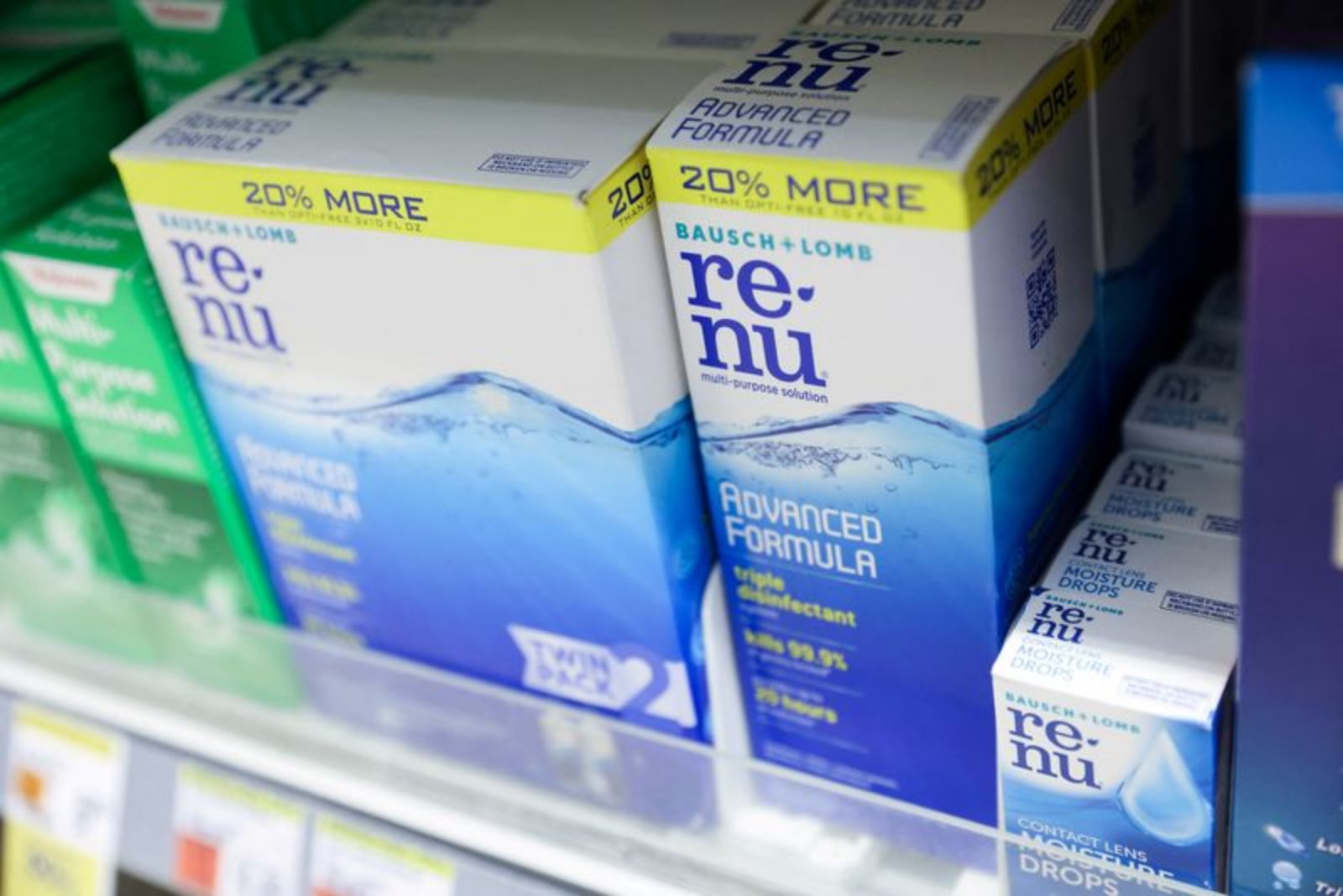
Contact lens manufacturers are positioned for a steadier recovery in 2026 after growth cooled the previous year, with industry leaders counting on consumers moving toward higher-priced daily disposable lenses and an expanding pool of vision-correction patients.
Industry concentration is focused among four major players - Johnson & Johnson, Alcon, Cooper Companies and Bausch + Lomb - who stand to benefit as users trade up from monthly or otherwise reusable lenses to single-use daily disposables. Analysts say the convenience of a daily format helps explain the shift.
Barclays analyst Matt Miksic summarized the appeal: "People prefer the convenience of just having something, putting it in and throwing it away, than having to manage it, keep track of it, clean it, save it, and so on." He also acknowledged an outstanding hurdle: persuading some patients to accept the higher annual cost of dailies versus monthlies, though the industry has been gradually overcoming that resistance.
Analysts project the contact lens market will expand by roughly 4% to 6% annually going forward, a pace consistent with recent longer-term trends after a normalization from post-pandemic peaks that reached about 8% to 9% in 2022 and 2023. The economics of daily disposables are significant for manufacturers: these lenses typically carry higher per-unit margins and command prices roughly 30% to 50% above reusable lenses. The single-use model also drives more frequent repurchases, supporting recurring sales volume.
Recent company results illustrate these dynamics. In the fourth quarter, the Johnson & Johnson unit responsible for contact lenses and related products reported 5.3% growth to $417 million, driven in part by its premium silicone hydrogel lens line and a push into daily disposables.
Demand drivers extend beyond consumer preference for convenience. Contact lens makers are also seeing a steady inflow of new patients as global myopia - or near-sightedness - grows. More time spent on screens and digital devices has contributed to rising rates of myopia, increasing the pool of people who need vision correction and, potentially, contact lenses.
Baird analyst Jeff Johnson emphasized that even if the relative split between glasses and contacts remains unchanged, the rising number of people with myopia still produces growth in contact lens usage: "Even if the mix between glasses and contact lenses stays the same, that still means more people are coming into contact lenses." World Health Organization figures cited in industry analysis estimate about 2.6 billion people were myopic in 2020, with that number expected to climb to approximately 3.36 billion by 2030.
Despite favorable dynamics, analysts and industry watchers flag risks. William Blair analyst Steve Lichtman noted that a deterioration in consumer confidence or in employment levels is the largest threat to contact lens expansion. In addition, localized softness in the Asia-Pacific region has weighed on market performance at times.
Overall, the outlook rests on a combination of consumers continuing to adopt premium daily disposables, the persistent rise in myopia prevalence, and the ability of manufacturers to manage price resistance and regional market fluctuations. If those elements align, the industry expects a return to steadier growth in 2026 and beyond.
Clear summary
Manufacturers of contact lenses expect 2026 to bring steadier market growth as consumers shift from monthlies to higher-priced daily disposables and as rising global myopia increases the pool of vision-correction patients. Daily disposables offer manufacturers higher margins and more frequent repurchases, but consumer price sensitivity and regional economic weakness remain key risks.
Key points
- Daily disposables are driving a trade-up from reusable lenses due to convenience and higher per-unit margins.
- Analysts forecast annual market growth of about 4% to 6%, after post-pandemic highs of roughly 8% to 9% in 2022-2023.
- Rising global myopia increases the pool of potential contact lens users, supporting long-term demand.
Risks and uncertainties
- A decline in consumer confidence or employment could reduce discretionary spending on higher-cost daily disposables, negatively affecting sales in the consumer discretionary and healthcare sectors.
- Pockets of weakness in the Asia-Pacific market could depress regional sales and overall industry growth, impacting multinational contact lens manufacturers and related supply chains.