
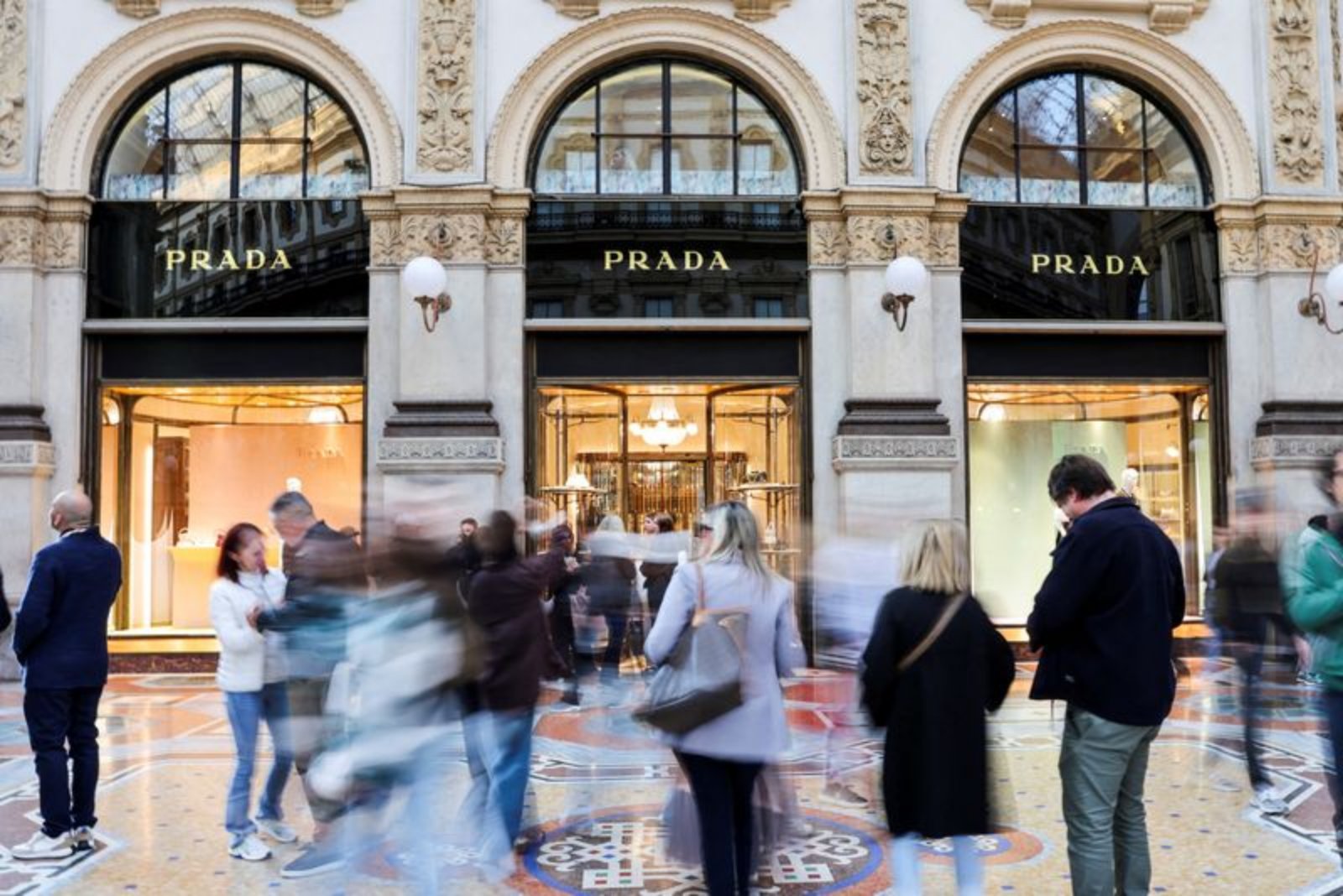
Prada has outlined a plan to reduce discounting across the Versace brand it recently acquired, prioritizing full-price retail and trimming secondary lines. The strategy includes shutting down the Versace Jeans label and other ready-to-wear sub-brands while shifting resources toward a revitalized Atelier Versace focused on haute couture and bespoke initiatives.
Pieter Mulier, who is joining from Richemont-owned Alaia, will take up the creative director role in July. Prada says his first runway show for Versace is scheduled for early 2027, meaning the brand will operate under interim creative arrangements for the next year and a half.
Distribution and discounting changes
Prada intends to progressively reduce the channels through which Versace sells at discounted prices, explicitly naming factory outlets as an area to be curtailed and signaling a broader effort to limit discount campaigns. Independent research cited by the group finds Versace to have one of the industry's highest exposures to outlet retail - a Morgan Stanley estimate places outlet-derived sales at more than 30% of the brand's total. That exposure is visible in Versace's physical footprint: 62 brick-and-mortar outlet stores, compared with 52 at Ferragamo and 54 at Burberry according to that same study.
Financial impact and timeline
Prada acknowledges that the Versace acquisition has already pressured profit margins in 2025 and will continue to affect operating profitability this year. Versace recorded an operating loss last year, and Prada has set a target to contain this year's expected operating loss at a "two-digit figure". Management expects the negative impact on operating profit to ease and for performance to improve from 2027 onward.
While additional investment into Versace is anticipated, Prada also expects to realize cost savings through integration of the business. Versace reported revenues of 684 million euros in 2025. For Prada overall, the group forecasts sales to decline at a mid-single-digit rate at constant exchange rates in 2026, reflecting near-term headwinds tied in part to the acquisition and repositioning costs.
The timing of Mulier's first collection and the decision to discontinue outlet-dependent sub-brands mark a deliberate, multi-year repositioning effort. Prada's approach combines immediate operational changes with longer-term creative and product repositioning centered on higher-priced, lower-discounted offerings.