
Porsche’s incoming chief executive is set to concentrate on tightening costs and leaning more heavily on combustion-engine models as he attempts to convince investors he can arrest the decline at the high-end automaker. The remarks are expected to be central to his first formal earnings update on Wednesday.
Investors’ patience has been tested. Since the company went public in 2022 its share price has fallen by more than half, margins have deteriorated sharply, the brand has lost ground in China - the world’s largest auto market - and a strategic move toward electric vehicles resulted in a $3.1 billion charge last year. Against that backdrop, the new CEO is facing pressure to deliver a credible recovery plan quickly.
Shareholders want clarity. Ingo Speich, representing a top-20 investor, Deka Investment, said he and others are seeking an immediate explanation of the CEO’s approach. "We would like clarity on his strategy as soon as possible," Speich said. "We expect a strong focus on costs. He has control over costs and can manage them."
Michael Leiters, the former head of McLaren who began his role in January, is reported to be reorganizing Porsche’s management to reduce overhead and accelerate decision-making, according to a source familiar with the matter. That streamlining is part of an effort to cut expenses while improving the speed of execution within the company.
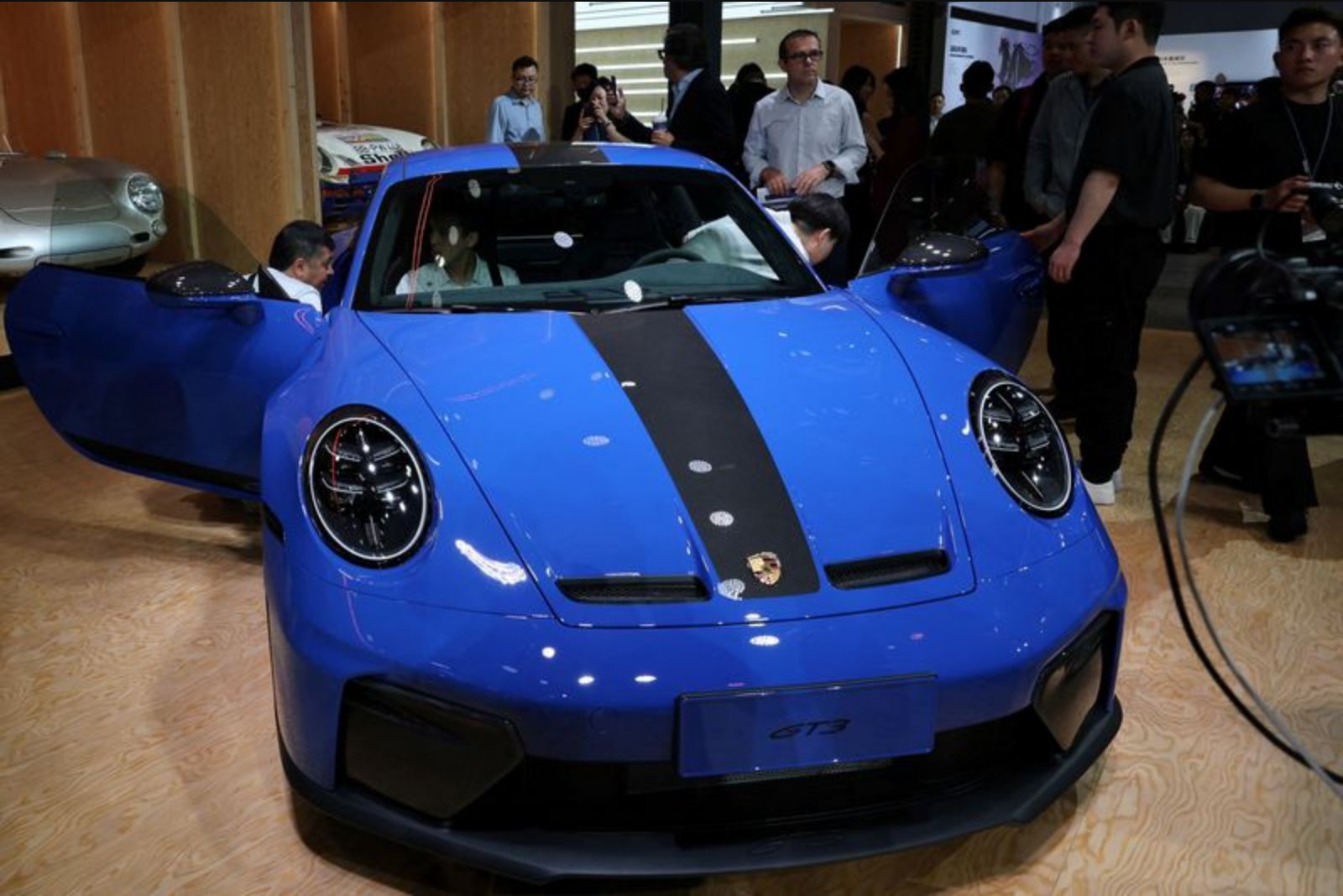
Company officials view the strong demand anticipated in 2025 for the 911 - Porsche’s iconic combustion-engine sports car - as one area to help rebuild ties with core enthusiasts. The model is expected to play a key role in reconnecting the brand with customers who value the traditional driving experience, the source said.
Porsche has publicly stated it will continue to offer plug-in hybrids and combustion-engine models well into the 2030s alongside its all-electric lineup - a retreat from an earlier, faster transition to electrification.
But the scale of the challenge is substantial. Operating profit plunged 98% to 90 million euros in 2025, driving the company’s operating margin down to just 0.3% from 14.5% in 2024 and 18% in the year of its initial public offering. Management has already begun cost-cutting measures, announcing plans to eliminate 1,900 positions over coming years after dismissing some 2,000 temporary workers last year. Negotiations are underway on a second package of savings measures.
External conditions are not easing. Tariffs cost Porsche hundreds of millions of euros last year, and competition from Chinese manufacturers such as BYD and Xiaomi is intensifying. Geopolitical instability, notably the war in the Middle East and its possible impact on the global economy, adds another layer of risk that could complicate recovery efforts.
Analysts warn that economic fallout could affect even affluent buyers. "Even high-net-worth individuals may become more cautious with discretionary spending, which could create another headwind for Porsche," said Pal Skirta at investment bank Metzler.
Market commentators are divided on whether the new chief executive should make bold strategic announcements immediately. Philippe Houchois of Jefferies cautioned against rushing into major pronouncements. "The risk for him is to say something and have to reverse it," Houchois said. "So it’s better for him not to show his hand yet."
Investors will be watching the upcoming earnings update for tangible signs that management has a clear, executable plan - and whether cost savings and a sustained appeal for combustion-engine products can help restore profitability. ($1 = 0.8600 euros)